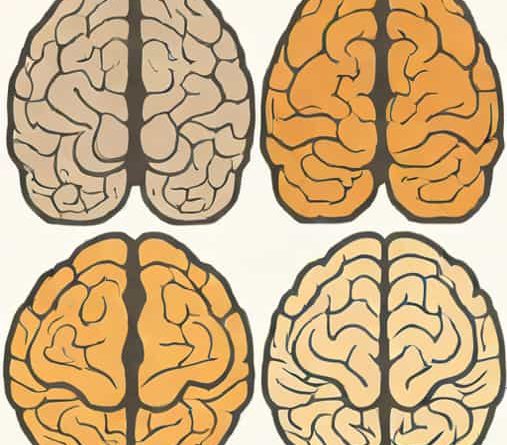
Right And Left Hemisphere Of The Brain
The human brain is a remarkable organ that controls every aspect of our body and mind. It is divided into two main parts the right hemisphere and the left hemisphere. Each hemisphere is responsible for different types of functions, yet they work together to ensure the body and mind operate smoothly. Understanding the roles of the right and left hemispheres can help us better comprehend how we think, learn, communicate, and process emotions. While the left hemisphere is often associated with logical thinking and analytical skills, the right hemisphere is linked to creativity, intuition, and spatial awareness. Both hemispheres communicate through a structure called the corpus callosum, allowing information to flow seamlessly between them, which is essential for coordinated and effective brain function.
The Left Hemisphere of the Brain
The left hemisphere is often referred to as the logical side of the brain. It is primarily responsible for analytical thinking, reasoning, and processing language. People who rely more on the left hemisphere tend to excel in tasks that involve logic, mathematics, and structured problem-solving. The left hemisphere controls the right side of the body, including movements of the right hand and sensory information from the right side.
Functions of the Left Hemisphere
The left hemisphere plays a key role in several cognitive and physical functions, including
- Language processing, including speaking, reading, and writing.
- Mathematical reasoning and logical problem-solving.
- Sequential thinking and following step-by-step instructions.
- Controlling the right side of the body for movement and sensation.
- Organizing and planning tasks with a structured approach.
Because of its emphasis on logic and language, the left hemisphere is often dominant in academic learning and analytical professions. It enables individuals to understand grammar, process numbers, and complete tasks that require attention to detail.
The Right Hemisphere of the Brain
The right hemisphere is commonly referred to as the creative side of the brain. It is responsible for artistic expression, intuition, and spatial abilities. While the left hemisphere processes information in a linear and logical manner, the right hemisphere interprets information in a holistic and imaginative way. The right hemisphere controls the left side of the body, including physical movement and sensory perception.
Functions of the Right Hemisphere
The right hemisphere contributes to many aspects of creativity and perception, including
- Visual and spatial skills, such as recognizing shapes and patterns.
- Artistic and musical abilities, including drawing, painting, and composing music.
- Understanding and interpreting emotions, both in oneself and others.
- Intuition and holistic thinking, which involves seeing the bigger picture.
- Controlling the left side of the body for movement and sensation.
People who rely more on the right hemisphere often excel in creative fields, emotional intelligence, and activities that require imaginative thinking. It helps with problem-solving that is less structured and involves thinking outside the box.
Communication Between Hemispheres
Although the right and left hemispheres have specialized functions, they do not work in isolation. The corpus callosum, a thick bundle of nerve fibers, connects the two hemispheres and allows them to share information. This communication is crucial for coordinated movement, complex thinking, and integrating emotional and logical processing. For example, writing a story requires both hemispheres the left hemisphere handles grammar and structure, while the right hemisphere contributes creativity and imagination.
Examples of Hemispheric Collaboration
- Playing a musical instrument requires timing, rhythm, and hand coordination from both sides of the brain.
- Solving real-world problems often requires logical analysis from the left hemisphere and creative insight from the right hemisphere.
- Effective communication involves processing language and understanding emotional tone simultaneously.
- Sports and dance rely on coordination between spatial awareness from the right hemisphere and precise movements controlled by the left hemisphere.
Hemispheric Dominance and Learning
Although both hemispheres contribute to overall brain function, individuals may have a dominant hemisphere that influences their thinking style and learning preferences. Left-brain dominant individuals tend to excel in logical reasoning, structured tasks, and verbal communication. Right-brain dominant individuals often have strengths in creativity, visual learning, and intuitive problem-solving. Understanding one’s hemispheric tendencies can help optimize learning strategies, career choices, and personal growth.
Implications for Education
Recognizing the roles of each hemisphere can improve teaching and learning approaches. For example
- Left-brain learners may benefit from step-by-step instructions, analytical exercises, and verbal explanations.
- Right-brain learners may benefit from visual aids, creative projects, and hands-on experiences.
- Encouraging the use of both hemispheres can develop well-rounded skills, including logical reasoning, creativity, and emotional intelligence.
Hemispheric Health and Cognitive Function
Maintaining brain health is important for the proper functioning of both hemispheres. Activities that stimulate both sides of the brain can improve memory, problem-solving, and emotional regulation. Healthy habits such as physical exercise, mental challenges, and social interaction promote neural connections and overall cognitive health. Additionally, understanding the differences between the hemispheres can help in rehabilitation after brain injuries, where one hemisphere may compensate for damage to the other.
Activities to Stimulate Both Hemispheres
- Puzzles and problem-solving games for left-brain stimulation.
- Drawing, music, or creative writing for right-brain engagement.
- Learning a new language to involve both analytical and creative processes.
- Physical activities that require coordination of both sides of the body, such as dancing or sports.
- Mindfulness and meditation to enhance emotional and cognitive balance.
The right and left hemispheres of the brain have distinct functions, yet they work together to enable complex thought, creativity, and physical coordination. The left hemisphere is responsible for logic, analysis, and language, while the right hemisphere supports creativity, intuition, and spatial awareness. Communication between the two hemispheres through the corpus callosum allows humans to integrate emotional and logical thinking, solve problems, and perform everyday activities efficiently. Understanding the roles and interactions of the hemispheres can improve learning strategies, creativity, and overall cognitive health. By stimulating both hemispheres through mental and physical activities, individuals can enhance brain function, maintain cognitive health, and achieve a balanced approach to thinking and problem-solving.