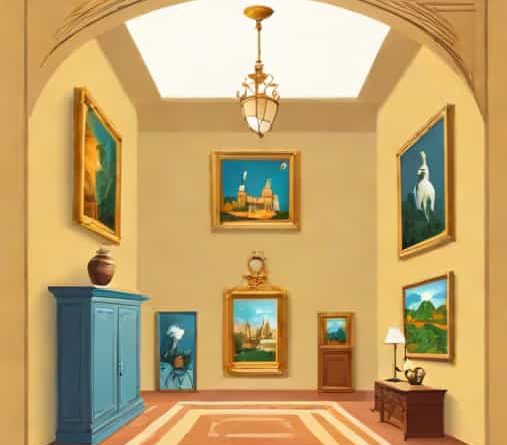
Rooms At The Museum Of Majolica Genius
The Museum of Majolica Genius is a remarkable cultural institution dedicated to celebrating the artistry, history, and technical mastery of majolica pottery. Known for its vibrant glazes, intricate designs, and centuries-old techniques, majolica has been an important art form across Europe and beyond. The museum provides visitors with an immersive experience through its carefully curated rooms, each designed to highlight a different aspect of majolica craftsmanship, history, and contemporary interpretations. Exploring the museum offers not only a visual delight but also a deep appreciation for the cultural significance and enduring appeal of majolica pottery. Each room presents a unique perspective, from historical origins to modern innovations, creating a comprehensive journey through the art form.
Introduction to the Museum
The Museum of Majolica Genius is organized to provide both educational and aesthetic experiences. Upon entering, visitors are greeted with an overview of the history of majolica, including its roots in Renaissance Italy and its spread to other European countries. The museum’s layout is designed to guide visitors through chronological and thematic exhibits, allowing for an intuitive understanding of majolica’s evolution and its cultural context. Each room serves as a portal into a particular era, style, or technical achievement, creating a narrative that is both informative and visually engaging.
The Historical Room
The historical room is dedicated to the origins of majolica pottery, tracing its development from early tin-glazed earthenware to the elaborate Renaissance pieces that defined the art form. Here, visitors can view some of the earliest known examples, including works from Italy, Spain, and the Netherlands. The room emphasizes the technical and artistic innovations that allowed majolica to flourish, such as the use of vibrant mineral-based glazes and the intricate hand-painted designs that became a hallmark of the craft.
Key Features
- Early Italian majolica from the 15th and 16th centuries
- Spanish and Dutch interpretations of tin-glazed pottery
- Interactive displays showing the glazing and firing process
- Historical context on how majolica reflected social, religious, and cultural themes
This room offers visitors an understanding of how majolica was more than decorative; it was a reflection of societal tastes, religious symbolism, and technological advancements of its time.
The Techniques Room
The techniques room focuses on the craftsmanship behind majolica. This room is ideal for those who are interested in the artistic process, as it showcases the various methods used to create and decorate majolica pieces. Visitors can learn about molding, glazing, painting, and firing techniques, with examples that illustrate the intricate details and precision required in each step. The room often features demonstrations or videos, allowing guests to see the artistry in motion.
Highlights of the Techniques Room
- Step-by-step displays of molding and shaping clay
- Explanations of tin-glazing and color application
- Live or recorded demonstrations of hand-painting designs
- Comparisons between traditional techniques and modern innovations
Understanding the technical skill required for majolica helps visitors appreciate the mastery behind each piece and the dedication of the artisans who create them.
The Thematic Room
The thematic room organizes majolica pieces according to subject matter and motifs. From floral designs to mythological scenes, this room highlights the diversity of artistic expression within majolica. The thematic arrangement allows visitors to see how cultural influences, storytelling, and symbolic imagery were incorporated into pottery, turning everyday objects into works of art.
Notable Themes
- Religious motifs including biblical scenes and saints
- Mythological and historical figures
- Nature-inspired designs featuring animals, plants, and landscapes
- Geometric patterns and abstract motifs reflecting regional styles
By examining these themes, visitors gain insight into how majolica served as a medium for communication, decoration, and cultural expression across different regions and periods.
The Contemporary Room
The contemporary room showcases modern interpretations of majolica, highlighting how artists today continue to innovate while respecting traditional techniques. This room often features experimental designs, contemporary color palettes, and large-scale installations that push the boundaries of what majolica can achieve. It bridges the past and present, demonstrating the enduring relevance of the medium in contemporary art and design.
Modern Highlights
- Experimental glazing techniques and textures
- Collaborations between traditional artisans and modern artists
- Interactive installations that invite visitor engagement
- Examples of majolica in functional design, such as furniture or home decor
The contemporary room underscores the adaptability of majolica and its capacity to inspire new forms of artistic expression, connecting historical craftsmanship with modern creativity.
The Educational Room
The educational room is designed for workshops, lectures, and hands-on learning experiences. It provides resources for visitors of all ages to understand the science, art, and history of majolica. Students, artists, and enthusiasts can participate in guided activities that deepen their appreciation for the medium. This room also often contains detailed diagrams, reference materials, and interactive exhibits explaining the chemistry of glazes, the physics of kiln firing, and the artistry involved in design.
Features of the Educational Room
- Hands-on workshops for shaping and decorating clay
- Interactive displays explaining glazing and firing processes
- Lectures and presentations on historical and contemporary majolica
- Special programs for school groups and art students
This room emphasizes learning through experience, providing visitors with both theoretical and practical knowledge of majolica artistry.
The Exhibition Room
The exhibition room serves as the centerpiece of the museum, featuring rotating collections and special exhibitions. This room allows visitors to experience a curated selection of pieces, often highlighting specific artists, historical periods, or regional styles. By regularly updating exhibits, the museum ensures that repeat visitors can discover new works and gain fresh perspectives on the majolica tradition.
Highlights of the Exhibition Room
- Temporary exhibits focusing on notable majolica artists
- Regional showcases illustrating stylistic differences across countries
- Special thematic exhibitions connecting majolica to broader cultural contexts
- Interactive multimedia presentations to enhance visitor experience
The exhibition room demonstrates the museum’s commitment to both preservation and innovation, celebrating majolica as a living art form.
The Museum of Majolica Genius offers a rich and immersive journey through the history, techniques, themes, and contemporary relevance of majolica pottery. Its carefully curated rooms—the historical, techniques, thematic, contemporary, educational, and exhibition rooms—each provide a unique perspective on this vibrant art form. Visitors gain not only a visual and aesthetic appreciation for majolica but also a deeper understanding of the skill, creativity, and cultural significance behind each piece. By exploring these rooms, one can fully experience the genius of majolica, connecting the past with the present and gaining insight into the enduring impact of this extraordinary craft. Whether one is a casual visitor, an art enthusiast, or a student of history, the museum offers an enriching experience that highlights the beauty, complexity, and timeless appeal of majolica pottery.