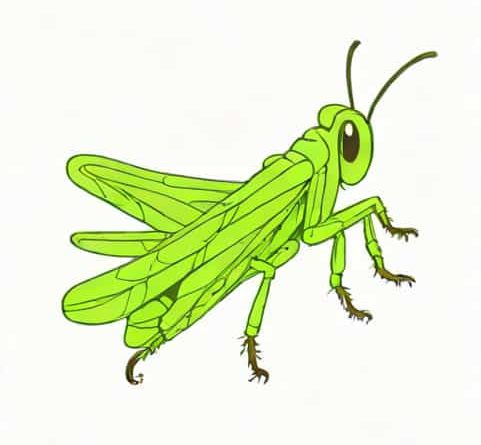
Scientific Name Of Grasshopper
Grasshoppers are one of the most familiar insects found across the globe, known for their strong hind legs that allow them to leap great distances, their distinctive chirping sounds, and their role in many ecosystems as herbivores. Understanding the scientific name of grasshopper is important for entomologists, educators, and nature enthusiasts alike, as it helps classify these insects within the broader biological framework. Scientific classification allows researchers to study their evolutionary relationships, behavior, ecological roles, and even their impact on agriculture, offering insights far beyond the casual observation of these fascinating creatures in fields and gardens.
Scientific Classification of Grasshoppers
The term grasshopper generally refers to insects in the order Orthoptera, specifically the suborder Caelifera. Within this classification, grasshoppers belong to multiple families, but the most commonly studied and recognized are in the family Acrididae. The scientific name for a typical grasshopper can vary depending on the species, but for many common grasshoppers, the genusCaeliferaand familyAcrididaeare central to their classification.
Taxonomic Hierarchy
- KingdomAnimalia
- PhylumArthropoda
- ClassInsecta
- OrderOrthoptera
- SuborderCaelifera
- FamilyAcrididae
- GenusVaries by species (e.g.,Melanoplus,Schistocerca)
- SpeciesVaries by individual grasshopper species
Physical Characteristics of Grasshoppers
Grasshoppers are characterized by their elongated bodies, strong hind legs, and large compound eyes. Their coloration ranges from green to brown, which provides effective camouflage in grassy habitats. The wings of grasshoppers allow for short flights, complementing their ability to jump long distances. Their mouthparts are adapted for chewing, as they primarily feed on grasses and other vegetation, making them important herbivores in many ecosystems.
Distinctive Features
- Strong hind legs for jumping.
- Compound eyes for wide-angle vision.
- Mandibles adapted for chewing plant material.
- Antennae used for sensing environmental cues.
Behavior and Ecology
Grasshoppers play a significant ecological role as primary consumers. By feeding on grasses and other plants, they help maintain ecosystem balance, serve as prey for birds, reptiles, and mammals, and contribute to nutrient cycling. Grasshoppers are mostly active during the day and are known for producing sounds through stridulation, where they rub their hind legs against their wings or body to communicate, especially during mating seasons.
Reproduction and Life Cycle
The life cycle of grasshoppers includes three main stages egg, nymph, and adult. Females lay eggs in soil or plant material, which hatch into nymphs resembling small adults but lacking fully developed wings. Through successive molts, nymphs grow larger and develop wings, eventually reaching adulthood. The ability to reproduce rapidly contributes to occasional population surges, known as outbreaks, which can have significant agricultural impacts.
Significance of Scientific Names
Scientific names are essential for accurately identifying and studying grasshoppers. While grasshopper is a common name used in everyday language, it encompasses a vast number of species. The scientific naming system, based on binomial nomenclature, assigns each species a unique genus and species name, such asMelanoplus differentialisfor the differential grasshopper. This system allows researchers to communicate precisely about specific species, study their behavior, and implement effective management strategies in agriculture and conservation.
Popular Grasshopper Species
- Differential GrasshopperMelanoplus differentialis
- Desert LocustSchistocerca gregaria
- Red-legged GrasshopperMelanoplus femurrubrum
- American GrasshopperSchistocerca americana
Grasshoppers in Agriculture
Grasshoppers can have both positive and negative impacts on agriculture. As herbivores, they play a role in natural plant control, but large populations can damage crops significantly. Understanding their scientific classification helps in developing targeted pest control strategies that minimize environmental impact while protecting crops. Researchers study the feeding habits, life cycles, and population dynamics of grasshopper species to manage outbreaks effectively.
Conservation and Ecological Importance
While some species are agricultural pests, many grasshoppers are essential for ecosystem health. They serve as a food source for a variety of animals and contribute to the cycling of nutrients through the consumption of plants and subsequent decomposition. Conservation efforts aim to maintain habitat diversity, preventing excessive pesticide use and protecting natural grasshopper populations that support biodiversity.
The grasshopper, scientifically classified under the order Orthoptera and the suborder Caelifera, represents a diverse and ecologically significant group of insects. Understanding their scientific name and taxonomy provides a foundation for studying their biology, behavior, and ecological roles. From their strong hind legs and stridulation abilities to their importance in agriculture and ecosystems, grasshoppers are remarkable creatures whose impact extends far beyond their common name. Accurate scientific classification allows researchers, educators, and conservationists to study and protect these insects effectively, ensuring that their essential roles in ecosystems continue to be understood and appreciated.