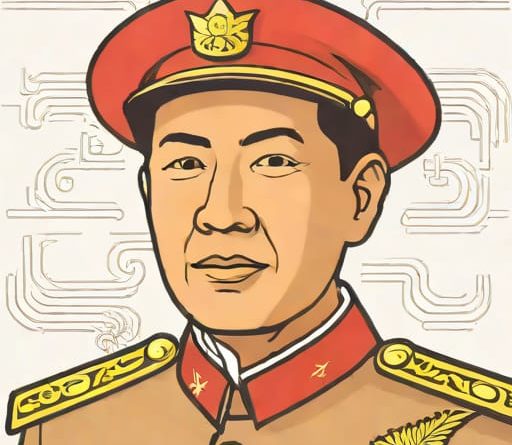
Sino Pumatay Kay Emilio Aguinaldo
The question of who killed Emilio Aguinaldo has long been a topic of debate and speculation, though historical records indicate that Emilio Aguinaldo, the first President of the Philippines and a key figure in the Philippine Revolution against Spain and the subsequent Philippine-American War, did not die as a result of assassination. Rather, Aguinaldo lived a full life and passed away due to natural causes on February 6, 1964, at the age of 94. Understanding Aguinaldo’s life, the myths surrounding his death, and his historical legacy provides insight into Philippine history and dispels misconceptions about his demise. While rumors and legends occasionally misrepresent historical events, a careful review of documented sources clarifies the truth surrounding his death.
Emilio Aguinaldo Early Life and Rise to Power
Emilio Aguinaldo was born on March 22, 1869, in Cavite, Philippines, into a middle-class family. From an early age, he showed leadership qualities and a strong sense of nationalism. He became involved in local governance and eventually joined the revolutionary group Katipunan, which aimed to gain independence from Spanish colonial rule. Aguinaldo quickly rose through the ranks, demonstrating strategic prowess and an ability to inspire his followers. His leadership during the Philippine Revolution made him a prominent figure in the struggle for independence, eventually leading to his election as President of the revolutionary government.
Leadership During the Philippine Revolution
Aguinaldo played a crucial role in several key battles against Spanish forces, including victories in Cavite and surrounding provinces. His military successes were instrumental in weakening Spanish control and advancing the cause of Philippine independence. In 1898, following the declaration of Philippine independence on June 12, Aguinaldo assumed the presidency of the newly established Philippine Republic. His leadership during this time solidified his place in history as a central figure in the fight for national sovereignty.
The Philippine-American War and Later Life
After the Spanish-American War, Aguinaldo and his forces faced a new colonial power the United States. Initially, there was some hope of cooperation, but tensions quickly escalated into the Philippine-American War. Aguinaldo led the Filipino forces in a guerrilla campaign against American troops, striving to defend the country’s independence. Despite his efforts, the superior military strength of the United States led to Aguinaldo’s capture in 1901, which effectively ended organized resistance.
Life After the War
Following his capture, Aguinaldo pledged allegiance to the United States and retired from active revolutionary leadership. He engaged in civic activities, served in local government, and remained an influential figure in Philippine society. Aguinaldo witnessed significant events in Philippine history, including the establishment of the Commonwealth, World War II, and the eventual independence of the Philippines in 1946. His longevity allowed him to participate in commemorative events and offer reflections on the revolutionary period.
Death of Emilio Aguinaldo
Emilio Aguinaldo passed away peacefully at his home in Quezon City on February 6, 1964. His death was due to natural causes associated with old age, specifically at the age of 94. Historical documentation confirms that there was no assassination or violent act leading to his death, making myths or rumors about his murder unfounded. His passing marked the end of an era, as he was one of the last surviving key figures of the Philippine Revolution and the fight for independence.
Common Misconceptions
Over time, various misconceptions have arisen regarding Aguinaldo’s death, including claims that he was assassinated due to political rivalries or internal conflicts within the revolutionary movement. These misconceptions may stem from the violent nature of the revolutionary period, during which many leaders were indeed killed. However, careful examination of historical records and accounts from family members and contemporaries clarifies that Aguinaldo died of natural causes. Understanding these distinctions is important for an accurate interpretation of Philippine history.
Historical Legacy of Emilio Aguinaldo
Emilio Aguinaldo’s contributions to Philippine history extend far beyond the question of his death. He is remembered as a symbol of the struggle for national independence and as a figure whose leadership helped shape the identity of the Philippine nation. His legacy includes the establishment of the first Philippine Republic, the organization of revolutionary forces, and his participation in pivotal moments of the struggle against both Spanish and American colonial powers.
Contributions to Nation-Building
- Leadership in the Philippine Revolution and key battles for independence.
- Declaration of Philippine independence on June 12, 1898.
- Formation and governance of the revolutionary government and the first Philippine Republic.
- Participation in civic and political life after retirement from active revolutionary leadership.
Aguinaldo’s historical legacy is preserved through monuments, historical texts, and national commemorations. Schools, historians, and cultural institutions continue to highlight his role in shaping the nation, ensuring that his contributions are remembered accurately and respectfully.
Lessons from Aguinaldo’s Life
The life and death of Emilio Aguinaldo provide several important lessons. Firstly, the importance of critical examination of historical narratives cannot be overstated; myths about his assassination highlight the ease with which misinformation can spread. Secondly, Aguinaldo’s long life and active engagement in society after the revolution demonstrate the value of resilience, adaptability, and civic responsibility. Lastly, his commitment to the cause of independence illustrates the enduring power of leadership, vision, and dedication to national ideals.
Impact on Philippine Historical Studies
Historians continue to study Aguinaldo’s life to gain insights into the complexities of revolutionary leadership, the challenges of nation-building, and the dynamics of colonial resistance. His experiences offer a case study in both the successes and limitations of political and military leadership during periods of upheaval. By analyzing Aguinaldo’s contributions and clarifying misconceptions surrounding his death, scholars provide a more nuanced understanding of Philippine history.
Emilio Aguinaldo, the first President of the Philippines and a key revolutionary leader, passed away from natural causes in 1964, contrary to rumors or myths suggesting he was assassinated. His life spanned a transformative period in Philippine history, from the struggle against Spanish colonial rule to the eventual independence of the nation. Aguinaldo’s legacy is defined by his leadership, his role in establishing the Philippine Republic, and his enduring influence on the nation’s identity. While myths about his death may circulate, historical records confirm that he lived a full life, leaving behind a rich legacy for future generations. Understanding the truth about Aguinaldo’s death not only clarifies historical facts but also highlights the importance of accurate scholarship in preserving the memory of significant historical figures.