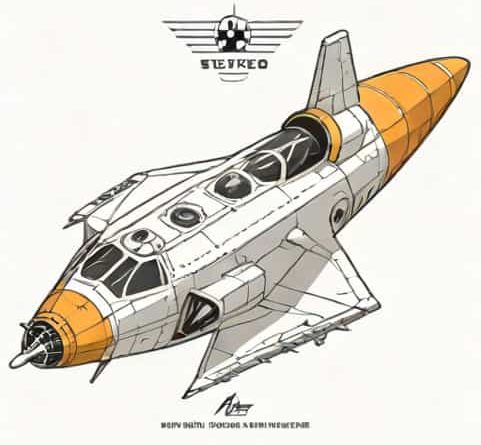
Solo Spacefarer Nosecone Setup
In the history of space exploration, one of the most fascinating yet often overlooked aspects is the engineering behind the spacecraft itself. The solo spacefarer nosecone setup, while sounding highly technical, plays an essential role in protecting astronauts and equipment as they travel through the Earth’s atmosphere into the vastness of outer space. The design, material selection, and configuration of a nosecone are critical for ensuring safety, stability, and performance. For a solo astronaut attempting space travel, every detail becomes even more important, as there is no backup crew to assist in case of failure. Understanding how a nosecone works and why it is so vital can provide both enthusiasts and students of aerospace engineering with a clear view of how science and human ambition meet in real-world applications.
The Role of the Nosecone in Spaceflight
The nosecone of a spacecraft is the very first part to encounter air resistance during launch. In a solo spacefarer mission, this part is not just symbolic of the craft’s direction but serves as the shield against aerodynamic forces. It ensures that drag is minimized and heat is deflected during ascent and re-entry. Without a well-designed nosecone setup, the spacecraft risks losing stability, which could make the mission impossible to control.
Why Aerodynamics Matter
When a spacecraft launches, it must break through the dense layers of the atmosphere. The nosecone is designed to split the air efficiently, allowing the rest of the craft to follow through smoothly. For a solo spacefarer, aerodynamic efficiency is crucial because a smaller, lighter craft has less margin for error compared to larger crewed rockets. The aerodynamic design also determines how much fuel is consumed during launch, directly influencing the mission’s success.
Material Considerations in Nosecone Design
The material used in building a nosecone must strike a balance between being lightweight and heat-resistant. During re-entry, temperatures can rise to thousands of degrees Celsius, and without the right thermal protection, the structure could burn up. For solo missions, engineers often consider composites, reinforced carbon-carbon, or advanced ceramics.
- CompositesLightweight and versatile, composites reduce the overall weight of the spacecraft while maintaining strength.
- Carbon-CarbonKnown for its exceptional heat resistance, this material is often used in nosecone tips and leading edges.
- CeramicsUsed as thermal protection tiles, ceramics provide insulation against extreme re-entry conditions.
Solo Spacefarer Mission Challenges
Unlike multi-crew missions, a solo spacefarer nosecone setup must take into account the unique risks faced by a lone astronaut. There is no redundancy in human operators, meaning that the nosecone’s stability and reliability become even more critical. The system must be designed to withstand unpredictable weather conditions, potential micro-meteorite impacts, and the stress of launch vibrations.
Psychological Safety and Design
Interestingly, nosecone design also ties into the psychological comfort of the astronaut. A secure, reliable nosecone provides confidence during one of the most stressful stages of flight launch. Knowing that the structure ahead is engineered to handle aerodynamic stress allows the spacefarer to focus on navigation and mission execution rather than constant worry about safety.
Configurations of Nosecone Setups
Not all nosecones are the same. Depending on the mission, they can be designed in different shapes and configurations. For solo spacefarers, smaller setups are often more efficient, as they balance drag reduction with weight considerations.
Common Nosecone Shapes
- Conical NoseconesSimple and effective, they provide a sharp tip to pierce through the atmosphere with moderate drag reduction.
- Ogive NoseconesSmooth and rounded, offering better aerodynamic performance for longer flights.
- Parabolic NoseconesDesigned for high efficiency at supersonic speeds, useful for spacecraft that reach extreme velocities.
Detachable Nosecones
Some solo missions may use detachable nosecones, which separate once the craft exits the atmosphere. This reduces overall weight and allows for better maneuverability in space. However, this setup requires precision engineering to ensure safe separation without destabilizing the craft.
Technological Innovations
Recent innovations in aerospace technology have introduced advanced coatings, active cooling systems, and even adaptive nosecone shapes. These developments aim to enhance efficiency and reduce risks for future missions. A solo spacefarer nosecone setup benefits greatly from such technologies, as they extend mission range and increase safety margins.
3D Printing Applications
The rise of 3D printing in aerospace engineering allows for customizable and rapid prototyping of nosecone designs. This innovation helps reduce production time while allowing engineers to test multiple configurations before committing to a final build.
Historical Inspirations
While solo spacefarer missions are rare compared to large crewed expeditions, history provides inspiration. Early rockets and test flights often used minimalistic designs that resemble modern solo setups. The lessons learned from those early missions continue to guide the development of reliable nosecones today.
Notable Examples
- Vostok ProgramThe Soviet Union’s early spacecraft featured simple yet effective nosecone shapes, proving their reliability.
- Mercury ProgramNASA’s early capsules emphasized aerodynamic efficiency, paving the way for modern designs.
Future of Solo Spacefarer Nosecone Setup
As space travel becomes more commercialized, solo missions may increase in frequency. Entrepreneurs and private explorers may depend on lightweight, efficient spacecraft equipped with advanced nosecone setups. Engineers will continue experimenting with materials, shapes, and thermal protection systems to ensure safe passage for individuals venturing beyond Earth.
Integration with Reusable Rockets
Reusable rocket technology has changed the way nosecones are designed. Instead of being discarded, some nosecones are now engineered to withstand multiple launches. This not only reduces costs but also increases reliability for solo spacefarers planning multiple missions.
The solo spacefarer nosecone setup is more than just a technical detail of spacecraft design; it is a life-saving feature that determines the mission’s success or failure. From aerodynamic considerations to material selection and psychological reassurance, every element matters. As humanity moves closer to making individual space travel more accessible, the humble nosecone will remain at the forefront of innovation. By blending science, engineering, and human determination, the future of solo space exploration rests on ensuring that these critical components continue to evolve and adapt to the challenges ahead.