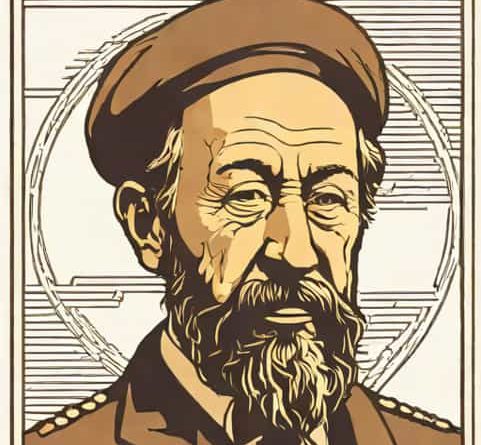
Solzhenitsyn They Know We Know
Alexander Solzhenitsyn, the renowned Russian novelist and dissident, is widely celebrated for his unflinching portrayal of life under totalitarian regimes. Among his many works, the phrase They Know We Know reflects his deep engagement with the themes of surveillance, collective awareness, and the moral responsibility of individuals living under oppressive governments. This concept resonates throughout Solzhenitsyn’s literature, illustrating the tension between private conscience and public compliance. It emphasizes how citizens and authorities are locked in a constant interplay of observation, suspicion, and ethical decision-making, highlighting the intricate social dynamics in authoritarian societies.
Origins and Context
The phrase They Know We Know is not the title of a specific work but rather an encapsulation of recurring themes in Solzhenitsyn’s writings. His experiences in the Soviet labor camps, along with his acute observations of Soviet bureaucracy and censorship, informed much of his literary and philosophical output. Solzhenitsyn witnessed firsthand how pervasive surveillance and the culture of mutual suspicion shaped society. In this context, They Know We Know captures the awareness both of citizens and state authorities about each other’s actions, creating a tense atmosphere where truth is often obscured and moral choices are constrained by fear.
Surveillance and Control
One of the most significant aspects of Solzhenitsyn’s work is his depiction of the mechanisms of control used by totalitarian states. In a society where everyone is watched, individuals are acutely aware that their actions, thoughts, and even private conversations could be reported. The phrase They Know We Know embodies this omnipresent awareness. Citizens understand that the government monitors them, while the government also knows that people are aware of its surveillance. This cyclical consciousness generates a climate of distrust and caution, profoundly influencing social behavior.
Moral and Ethical Implications
Beyond political observation, Solzhenitsyn’s concept also engages with questions of personal morality. In the context of oppression, individuals face ethical dilemmas that challenge their integrity, courage, and conscience. When they know we know, people must decide whether to comply with authority, remain silent, or resist. Solzhenitsyn’s narratives often explore these choices, illustrating how even small acts of moral courage or defiance carry immense personal risk. The phrase thus encapsulates the tension between survival and ethical responsibility, a recurring theme in his novels likeThe Gulag ArchipelagoandOne Day in the Life of Ivan Denisovich.
The Role of Collective Awareness
They Know We Know also highlights the significance of collective awareness. In oppressive societies, individuals are rarely isolated in their knowledge or dissent. Understanding that others share their awareness of injustice can foster solidarity and resistance, albeit cautiously. Solzhenitsyn recognized that the awareness of the masses, even if unspoken, could undermine authoritarian control. Yet, the fear of retribution often suppresses overt action, creating a paradoxical environment where everyone knows, but few can act freely.
Psychological Impact on Society
The psychological consequences of living under such pervasive surveillance are profound. The constant awareness of being observed, coupled with knowledge of the state’s awareness of the populace, produces anxiety, self-censorship, and mistrust. Solzhenitsyn depicted these effects vividly, portraying characters who are perpetually alert, wary of friends and colleagues, and burdened by the fear of betrayal. This environment stifles creativity, authentic communication, and genuine human connection, demonstrating the deep social and emotional costs of authoritarian control.
Examples in Literature
- The Gulag ArchipelagoDocuments the systemic oppression, showing how prisoners and guards are both aware of the moral stakes, often leading to tragic consequences.
- One Day in the Life of Ivan DenisovichHighlights the subtle ways individuals navigate moral and ethical decisions while under constant scrutiny.
- Cancer WardExplores social dynamics in a society where illness, knowledge, and awareness intersect with political surveillance.
Relevance in Modern Context
Solzhenitsyn’s concept of They Know We Know remains relevant today, particularly in the age of digital surveillance, social media monitoring, and data collection. Modern societies face similar dynamics where governments and corporations track behavior, and citizens are aware of these observations. The tension between personal privacy, public awareness, and ethical responsibility echoes Solzhenitsyn’s insights into human behavior under observation. His work offers a timeless reflection on the impact of knowledge, awareness, and moral choice in shaping both individual lives and societal structures.
Lessons and Reflections
- The importance of vigilance Individuals must remain aware of the broader social and political context to navigate ethical challenges.
- The value of solidarity Collective awareness and shared knowledge can empower communities to resist oppression, even in subtle ways.
- The weight of conscience Personal moral responsibility persists, even when surveillance and fear attempt to suppress it.
Alexander Solzhenitsyn’s notion of They Know We Know encapsulates the intricate interplay between observation, awareness, and morality in oppressive societies. Through his vivid portrayal of Soviet life, he illuminates the psychological, social, and ethical challenges faced by individuals under constant scrutiny. This concept serves as a lens through which readers can understand the complex dynamics of power, fear, and moral choice, both historically and in contemporary contexts. Solzhenitsyn’s work continues to resonate because it confronts the enduring human struggle to maintain integrity, awareness, and solidarity in the face of pervasive control. They Know We Know is more than a phrase-it is a profound reflection on the resilience of human conscience amidst the pressures of surveillance and authoritarian authority.