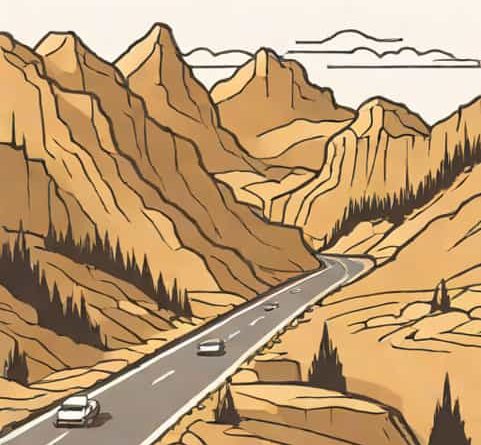
Sr 123 Cayuse Pass
SR 123, also known as the Cayuse Pass route, is a scenic and historically significant highway located in Washington State, United States. This mountain pass offers travelers not only a vital transportation link but also breathtaking views of the surrounding Cascade Range. With its winding roads, elevation changes, and proximity to national parks, SR 123 at Cayuse Pass is a popular route for motorists, hikers, and outdoor enthusiasts. Understanding the route, its history, seasonal accessibility, and attractions can help travelers plan safe and enjoyable trips through this remarkable area.
Overview of SR 123 and Cayuse Pass
State Route 123 (SR 123) connects the southern entrance of Mount Rainier National Park at Packwood to the Cayuse Pass area. The highway spans approximately 27 miles, traversing dense forests, alpine meadows, and mountainous terrain. As one of the key access roads to Mount Rainier National Park, it plays a crucial role in tourism and local transportation. Cayuse Pass itself sits at an elevation of 4,675 feet, making it a high mountain route that requires careful navigation, especially in winter months.
Geography and Landscape
The route of SR 123 is characterized by a series of steep climbs, sharp curves, and scenic viewpoints. Travelers encounter a variety of landscapes, including towering conifers, glacially carved valleys, and alpine wildflower meadows. The road offers vistas of Mount Rainier, Goat Rocks Wilderness, and other surrounding peaks. Wildlife such as deer, elk, and mountain goats are occasionally visible, adding to the natural allure of the pass. The combination of challenging driving conditions and breathtaking scenery makes SR 123 a memorable journey for road-trippers and nature lovers alike.
Historical Significance
Cayuse Pass has a rich history that predates the construction of the modern highway. Indigenous tribes, including the Yakama and Cowlitz, used the pass for trade and travel across the Cascade Mountains. The modern route, developed in the early 20th century, was built to improve access to Mount Rainier National Park and surrounding communities. Over the decades, SR 123 has served as a vital connection for tourism, logging, and local commerce, preserving its role as a key transportation corridor in the region.
Construction and Development
The development of SR 123 required significant engineering to navigate the mountainous terrain. Bridges, switchbacks, and retaining walls were constructed to ensure safe passage through steep slopes and unstable areas. Today, the highway is maintained by the Washington State Department of Transportation (WSDOT), which monitors conditions, manages seasonal closures, and ensures the safety of travelers. The historical construction efforts highlight the importance of infrastructure in opening remote natural areas to the public while minimizing environmental impact.
Seasonal Accessibility
Due to its high elevation, SR 123 at Cayuse Pass is subject to seasonal closures. Snowfall in winter months can make the route impassable, and WSDOT typically closes the pass from late fall to late spring. Travelers should always check current road conditions before planning a trip. During the open months, generally from late May through October, the highway offers safe and scenic travel. Seasonal accessibility not only affects motorists but also determines when hikers, bikers, and other outdoor enthusiasts can explore the surrounding trails and wilderness areas.
Winter Challenges
Winter travel on SR 123 is generally not possible due to heavy snowfall, icy conditions, and avalanche risk. Snow removal is challenging, and the terrain can be hazardous even for experienced drivers. Snowpack and avalanche warnings are carefully monitored, and travelers are advised to use alternative routes during winter months. Proper planning and awareness of seasonal closures are essential for safety and enjoyment when visiting the Cayuse Pass area.
Scenic and Recreational Opportunities
Cayuse Pass is renowned for its recreational opportunities, attracting visitors seeking outdoor adventures. Hiking trails, wildlife viewing, and photography are popular activities along the route. The Pacific Crest Trail crosses near the pass, offering hikers access to one of the most famous long-distance trails in the United States. Campgrounds, picnic areas, and viewpoints along SR 123 allow travelers to enjoy the natural beauty of the Cascade Mountains. The combination of accessibility and scenic diversity makes Cayuse Pass a prime destination for nature enthusiasts.
Hiking and Exploration
- The Pacific Crest Trail provides access to alpine terrain and backcountry experiences.
- Shorter day hikes offer opportunities to explore wildflower meadows and waterfalls.
- Wildlife observation is common, particularly in early morning or late evening hours.
- Photography enthusiasts can capture panoramic views of Mount Rainier and surrounding peaks.
Driving Experience
Driving SR 123 through Cayuse Pass is an adventure in itself. The road’s curves, elevation changes, and scenic overlooks make it both challenging and rewarding. Drivers should remain cautious, especially on steep or narrow sections, and allow extra travel time to fully enjoy the scenery. The route’s design encourages a leisurely pace, enabling travelers to appreciate the natural environment and stop at viewpoints safely.
Safety Considerations
Safety is a key concern when navigating SR 123 at Cayuse Pass. Mountain weather can change rapidly, and drivers should be prepared for rain, fog, and sudden temperature drops even during summer months. Adequate vehicle maintenance, proper tires, and awareness of road conditions are essential. Emergency services are available, but remote sections may require longer response times. Visitors are advised to carry supplies, check weather forecasts, and inform others of their travel plans when exploring the pass.
Tips for a Safe Journey
- Check current road conditions and WSDOT updates before departure.
- Carry water, food, and warm clothing, especially for backcountry excursions.
- Observe posted speed limits and caution signs on winding or steep sections.
- Be alert for wildlife crossing the road.
- Plan for seasonal closures and limited services along the route.
SR 123 at Cayuse Pass is more than just a highway; it is a gateway to the natural splendor of Washington State’s Cascade Mountains. Combining historical significance, scenic beauty, and recreational opportunities, the pass offers visitors an unforgettable experience. Whether driving the winding roads, hiking nearby trails, or simply enjoying the views, travelers benefit from understanding the geography, seasonal accessibility, and safety considerations of this remarkable route. For those seeking a combination of adventure, nature, and strategic travel planning, SR 123 and Cayuse Pass remain essential destinations in the Pacific Northwest.