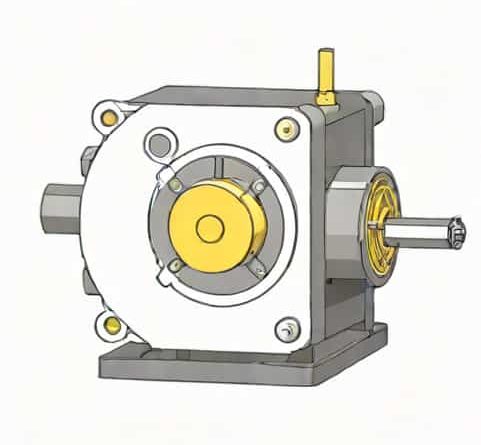
Stepper Motor Peristaltic Pump
The stepper motor peristaltic pump is a versatile and precise fluid handling device widely used in medical, laboratory, and industrial applications. Combining the accuracy of a stepper motor with the gentle pumping action of a peristaltic system, this type of pump offers reliable, controlled fluid delivery that can handle sensitive liquids without contamination. Understanding the working principle, components, advantages, and applications of stepper motor peristaltic pumps is essential for professionals and hobbyists looking to integrate precise fluid control into their systems.
Understanding Stepper Motor Peristaltic Pumps
A stepper motor peristaltic pump is a pump in which the fluid is contained within a flexible tube, and rollers or shoes compress the tube sequentially to push the fluid forward. The stepper motor provides controlled rotational movement, allowing the pump to deliver precise volumes of liquid per step. This combination allows for extremely accurate dosing and flow control, making it suitable for applications requiring high precision, such as laboratory experiments, chemical dosing, and medical infusions.
Components of a Stepper Motor Peristaltic Pump
These pumps typically consist of several key components
- Stepper MotorProvides precise rotational control, allowing the pump to operate in small, consistent steps for accurate fluid delivery.
- Peristaltic RotorHolds the rollers or shoes that compress the tubing and move the fluid forward.
- Flexible TubingEncases the fluid and ensures that it does not contact any pump parts, reducing contamination risk.
- Pump HousingSupports the rotor, motor, and tubing while ensuring proper alignment and operation.
- Control SystemOften includes drivers and software to regulate motor speed, direction, and step increments for precise flow rates.
How a Stepper Motor Peristaltic Pump Works
The operation of a stepper motor peristaltic pump is based on the sequential compression and release of flexible tubing. As the stepper motor rotates, it drives the rotor, causing rollers to pinch and release sections of the tube in a continuous sequence. This action creates a forward movement of the fluid without requiring any valves, seals, or pistons. The stepper motor allows for precise control over rotation angle and speed, which directly translates into accurate control over flow rate and volume. This level of precision is difficult to achieve with traditional peristaltic pumps that use standard AC or DC motors.
Advantages of Using a Stepper Motor
The use of a stepper motor provides several advantages over conventional motor-driven peristaltic pumps
- Precise Flow ControlThe stepper motor allows for accurate adjustments to flow rate, ensuring consistent and repeatable fluid delivery.
- Programmable OperationSpeed, direction, and number of steps can be easily controlled via software or microcontrollers, offering versatility in complex applications.
- High AccuracyIdeal for laboratory and medical applications where small, precise doses of liquid are required.
- Reduced WearStepper motors operate smoothly at controlled speeds, which minimizes mechanical stress on the tubing and extends pump life.
Applications of Stepper Motor Peristaltic Pumps
Stepper motor peristaltic pumps are used in a variety of fields due to their precision, reliability, and contamination-free operation.
Medical and Pharmaceutical Applications
In medical settings, these pumps are commonly used for infusion therapy, delivering precise doses of medication or nutrients. Their contamination-free design ensures patient safety. Additionally, pharmaceutical research labs rely on stepper motor peristaltic pumps for accurate reagent delivery, drug formulation, and chemical handling.
Laboratory and Research Applications
In laboratories, these pumps are essential for experiments that require exact fluid volumes. They are used in chemical analysis, chromatography, and microfluidic systems where even slight variations in flow can impact results. The ability to program stepper motors allows researchers to automate fluid handling and achieve reproducible experiments.
Industrial and Chemical Applications
Industrially, stepper motor peristaltic pumps are used for dosing chemicals in water treatment plants, food processing, and manufacturing processes. Their ability to handle viscous, shear-sensitive, or corrosive liquids without contaminating them makes them suitable for diverse industrial environments. They can also operate continuously with minimal maintenance, providing cost-effective fluid management solutions.
Choosing the Right Stepper Motor Peristaltic Pump
Selecting the right pump involves considering several factors
- Flow Rate RequirementsDetermine the minimum and maximum flow rates needed for your application.
- Tubing MaterialChoose tubing compatible with the fluids being pumped to prevent degradation or contamination.
- Step ResolutionHigher step resolution offers more precise flow control, which is critical in medical and laboratory applications.
- Motor TorqueEnsure the stepper motor has sufficient torque to compress the tubing and move the fluid, especially for viscous liquids.
- Control InterfaceConsider whether you need manual adjustments, programmable controllers, or integration with automated systems.
Maintenance and Safety Considerations
Stepper motor peristaltic pumps are generally low maintenance, but proper care is essential for longevity and safety. Tubing should be inspected regularly for wear or cracks and replaced as necessary. Ensuring proper alignment of the rotor and stepper motor reduces mechanical stress and prevents premature failure. Additionally, stepper motors should be operated within their voltage and current specifications to avoid overheating or damage. For applications involving hazardous chemicals, protective housings and spill containment measures are recommended.
Advantages Over Traditional Pumps
Stepper motor peristaltic pumps offer several benefits compared to traditional piston, diaphragm, or gear pumps
- Contamination-FreeFluid only contacts the tubing, minimizing the risk of contamination.
- Precise MeteringAccurate step control ensures consistent fluid delivery.
- Gentle PumpingIdeal for shear-sensitive fluids such as biological samples or delicate chemicals.
- Programmable OperationEasy integration with automated systems for complex fluid handling tasks.
- Low MaintenanceFewer moving parts reduce wear and operational downtime.
The stepper motor peristaltic pump is a highly reliable and precise fluid handling solution suitable for a wide range of applications, from medical infusions to industrial chemical dosing. By combining the accuracy of a stepper motor with the gentle, contamination-free action of a peristaltic pump, these devices offer unparalleled control over fluid delivery. Selecting the appropriate pump based on flow requirements, tubing compatibility, and motor specifications ensures optimal performance and safety. Proper maintenance, including routine tubing inspections and motor care, extends the lifespan of the pump and maintains precise operation. As technology advances, stepper motor peristaltic pumps continue to play a critical role in fields that demand accuracy, safety, and efficiency in fluid management, making them indispensable in modern laboratories, healthcare, and industrial systems.