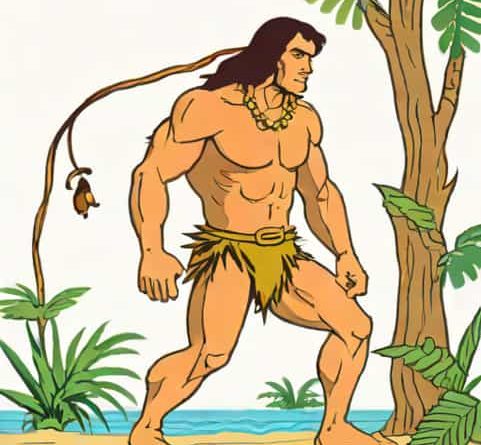
Tarzan Call Johnny Weissmuller
When people think of Tarzan, one of the most iconic images that comes to mind is the legendary yell echoing through the jungle, calling out to friends and signaling his presence. This unforgettable call is inseparably linked to Johnny Weissmuller, the Olympic swimming champion turned Hollywood actor who immortalized the character on the silver screen. Weissmuller’s portrayal of Tarzan in the 1930s and 1940s set the standard for how the character was perceived, and his famous Tarzan yell became a cultural phenomenon that continues to be referenced in popular media. The combination of Weissmuller’s athletic prowess, commanding screen presence, and the unforgettable call helped solidify Tarzan as one of the most enduring fictional characters of the 20th century.
Johnny Weissmuller From Olympic Champion to Hollywood Icon
Before becoming the face of Tarzan, Johnny Weissmuller was renowned for his achievements in swimming. Born in 1904 in Romania and raised in the United States, Weissmuller became a dominant force in competitive swimming during the 1920s. He won multiple Olympic gold medals and set numerous world records, earning international fame for his athletic ability. This background made him an ideal choice to portray Tarzan, a character known for his physical prowess, agility, and natural grace. Hollywood producers sought an actor who could convincingly perform the demanding stunts and jungle maneuvers required for the role, and Weissmuller’s athletic background perfectly matched these needs.
The Birth of the Tarzan Call
One of the most defining elements of Weissmuller’s Tarzan was his distinctive yell. The Tarzan call, often described as a long, echoing scream, became an auditory symbol of the character. While many assume that Weissmuller invented the yell himself, it was actually crafted with the help of sound engineers and vocal coaches to produce the perfect blend of strength, emotion, and jungle ambiance. Weissmuller’s deep, powerful voice added authenticity and drama to the yell, making it one of the most memorable sound effects in early cinema history. The yell served multiple purposes it allowed Tarzan to communicate across long distances, intimidate enemies, and express his wild connection with the jungle environment.
Impact of the Tarzan Yell on Popular Culture
The Tarzan yell quickly transcended the films themselves, entering popular culture as an instantly recognizable sound. Radio shows, cartoons, and even advertisements began to feature imitations of Weissmuller’s iconic call. The yell became a symbol of adventure, heroism, and the untamed wilderness. Many people, even those who had never seen the original Tarzan films, could immediately recognize the yell, demonstrating its pervasive influence. Weissmuller’s performance and the memorable call helped establish Tarzan as a household name and ensured that the character would endure in public imagination for decades.
Technical Aspects of the Yell
The Tarzan call was not a simple scream; it involved precise vocal control and an understanding of acoustics to achieve the desired echoing effect. Sound engineers used layering techniques and audio manipulation to enhance Weissmuller’s voice, giving the impression that the call traveled vast distances through the jungle. Weissmuller practiced the yell extensively to maintain consistency across scenes, ensuring that it conveyed both emotion and power. The result was a sound that felt both human and primal, perfectly reflecting the character’s unique blend of intelligence and wild instinct.
Weissmuller’s Legacy as Tarzan
Johnny Weissmuller’s portrayal of Tarzan set a benchmark for future interpretations of the character. He starred in twelve Tarzan films, beginning with Tarzan the Ape Man in 1932, each showcasing his physical abilities and the signature yell. His performances emphasized Tarzan’s noble nature, courage, and deep connection to the natural world. Weissmuller’s embodiment of Tarzan influenced subsequent actors, comic adaptations, and animated versions of the character. The combination of his athleticism, charisma, and the iconic yell cemented his status as the definitive Tarzan in the eyes of audiences around the world.
- Established Tarzan’s physicality as central to the character
- Popularized the jungle yell as a symbol of adventure
- Influenced later portrayals in film, television, and animation
- Created a cultural icon that continues to be recognized globally
Continuing Influence in Media
The legacy of Weissmuller’s Tarzan call can still be felt in contemporary media. Modern films and animated adaptations often reference or pay homage to the original yell, highlighting its enduring impact. The sound has also inspired musicians, comedians, and performers, who recreate or parody the call in various contexts. By maintaining its presence in entertainment, the Tarzan yell continues to serve as a link between classic Hollywood cinema and modern interpretations of adventure stories.
Why the Tarzan Call Resonates
The enduring appeal of the Tarzan call lies in its combination of raw emotion and human ingenuity. It evokes the thrill of the jungle, the freedom of nature, and the strength of the human spirit. Audiences are drawn to the yell because it captures the essence of Tarzan as both a wild figure and a relatable hero. Weissmuller’s ability to convey emotion through the call, whether signaling danger, expressing joy, or communicating with allies, creates a lasting connection with viewers. The yell is more than a sound effect; it is a powerful storytelling tool that enhances the character’s presence and leaves a lasting impression.
Memorability and Iconic Status
Few elements of classic cinema achieve the iconic status of the Tarzan yell. Its memorability is reinforced by Weissmuller’s consistent performance across multiple films and its repeated use in popular culture. The yell has become a shorthand for adventure and heroism, instantly recognizable across generations. This iconic status demonstrates the power of sound in creating enduring characters and highlights Weissmuller’s contribution to cinematic history beyond his physical performance.
Johnny Weissmuller’s Tarzan call is one of the most recognizable sounds in film history, representing a perfect blend of human emotion, physical prowess, and cinematic innovation. Weissmuller’s portrayal of Tarzan, combined with the unforgettable yell, helped define the character and solidified his place in Hollywood legacy. The call’s influence extends far beyond the films, shaping popular culture, inspiring imitators, and maintaining its presence in media for nearly a century. By mastering the iconic Tarzan yell, Weissmuller created a timeless symbol of adventure, courage, and the enduring power of a single, unforgettable sound.