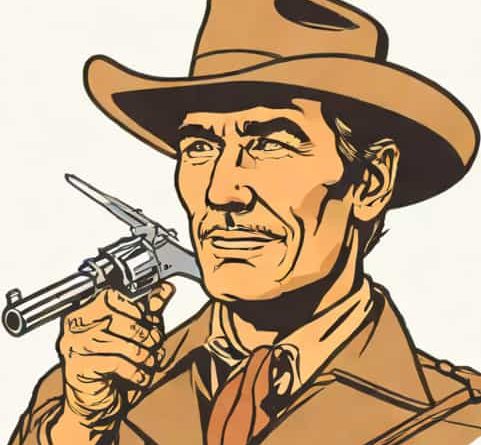
The Desperadoes Randolph Scott
The Desperadoes, released in 1943, is a classic American Western film that stars Randolph Scott in one of his most memorable roles. Directed by Charles Vidor, the film blends elements of action, suspense, and drama, making it a standout entry in the Western genre during the early 1940s. Set in a lawless town dominated by crime and corruption, the story follows Scott’s character as he navigates dangerous situations, moral dilemmas, and the pursuit of justice. Known for his stoic demeanor and commanding screen presence, Randolph Scott brings depth and authenticity to the film, helping to cement his reputation as one of Hollywood’s premier Western stars.
Plot Summary
The story of The Desperadoes revolves around a group of bank robbers and the lawmen who pursue them. Randolph Scott plays the role of Brett Starr, a courageous and principled figure who becomes entangled in the pursuit of the notorious gang led by the villainous Jack Lester. The narrative unfolds with a mix of tension, strategy, and moral conflict, as Starr navigates the challenges of bringing justice to a town plagued by lawlessness. The film’s pacing balances high-octane action sequences with moments of character development, allowing audiences to connect with the protagonists and understand their motivations.
Main Characters
- Brett Starr (Randolph Scott)The film’s hero, known for his integrity, bravery, and tactical skills. Scott’s portrayal emphasizes his ability to remain calm under pressure while navigating dangerous situations.
- Jack LesterThe ruthless leader of the outlaw gang, whose criminal actions drive much of the conflict in the story.
- Maria VargasA strong female character who provides emotional depth and supports Starr in his pursuit of justice.
- Supporting LawmenVarious characters who represent the forces of law and order, adding complexity to the narrative as they assist or challenge Starr.
Randolph Scott’s Performance
Randolph Scott’s performance in The Desperadoes is notable for its understated intensity and commanding presence. Unlike many Western heroes of the era, Scott’s Brett Starr is not overtly flamboyant but instead relies on wit, moral conviction, and physical skill to confront adversaries. This approach enhances the realism of the film and allows audiences to engage more deeply with the story. Scott’s ability to convey emotion through subtle expressions, body language, and controlled dialogue delivery makes his performance timeless, demonstrating why he became a defining figure in Western cinema.
On-Screen Chemistry
The film also features compelling interactions between Scott and the supporting cast, particularly the dynamics with Maria Vargas and other law enforcement characters. These relationships add emotional weight to the narrative, showing the stakes involved in the conflict between outlaws and the forces of justice. The chemistry among the actors enhances the storytelling, making both action-packed and quieter scenes equally engaging.
Production and Direction
Directed by Charles Vidor, The Desperadoes benefited from innovative production techniques for its time. The film was one of the early Westerns shot in Technicolor, which added a vivid and immersive quality to the landscapes, costumes, and action sequences. Vidor’s direction emphasized both the sweeping vistas typical of Westerns and the intimate, character-driven moments that give the story depth. The combination of color cinematography, dynamic camera work, and well-choreographed action sequences contributed to the film’s critical and commercial success.
Action and Cinematography
The action sequences in The Desperadoes stand out for their clarity, pacing, and realism. Gunfights, horseback chases, and tense confrontations are skillfully staged, ensuring that the audience remains engaged while maintaining the suspense. The use of Technicolor enhanced the visual appeal, making the desert landscapes, town settings, and costumes more striking. These elements, combined with careful editing and sound design, create an immersive experience that captures the essence of the Western genre during the 1940s.
Reception and Legacy
Upon its release, The Desperadoes received positive reviews for its engaging story, strong performances, and technical achievements. Critics praised Randolph Scott’s portrayal of Brett Starr, noting his ability to embody the archetypal Western hero with authenticity and gravitas. The film performed well at the box office, appealing to audiences seeking both adventure and moral narratives during the wartime period. Over the years, it has become recognized as a classic example of early Technicolor Westerns and a defining moment in Scott’s career.
Influence on Western Cinema
The Desperadoes contributed to the evolution of Western films by combining colorful cinematography with character-driven storytelling. Its emphasis on moral conflict, loyalty, and justice influenced subsequent films in the genre. The success of the movie also reinforced Randolph Scott’s status as a leading Western star, paving the way for his later work in iconic Westerns throughout the 1950s and 1960s. Scholars and enthusiasts often cite the film as an important bridge between early black-and-white Westerns and the more stylized, color productions that followed.
Notable Themes
The film explores themes of honor, justice, and personal responsibility. Brett Starr’s journey highlights the challenges of upholding moral principles in a lawless environment, demonstrating that courage and integrity are crucial in overcoming adversity. Loyalty, both to friends and to the greater community, is emphasized throughout the story, providing depth to the action-driven narrative. The tension between lawlessness and order, coupled with the moral choices faced by the characters, ensures that The Desperadoes resonates beyond its immediate plot.
Cultural Context
Released during World War II, the film also reflected contemporary American values, emphasizing heroism, justice, and ethical behavior. The portrayal of a principled hero confronting corruption and violence provided audiences with a sense of moral clarity and entertainment. The combination of colorful visuals, dynamic action, and strong character arcs made The Desperadoes a memorable cultural artifact of its era.
The Desperadoes remains a significant work in the Western genre, showcasing the talents of Randolph Scott and the innovative production techniques of the 1940s. Through its compelling narrative, memorable characters, and striking Technicolor cinematography, the film captures the essence of Western storytelling while highlighting themes of justice, courage, and morality. Randolph Scott’s performance as Brett Starr stands out as a defining role, contributing to his legacy as one of Hollywood’s most respected Western stars. The film continues to be appreciated by modern audiences and film historians alike for its historical significance, entertainment value, and enduring influence on Western cinema.