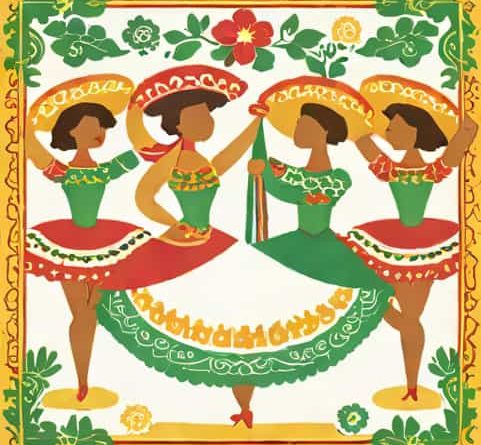
The Folkloric Ballet Of Mexico
The folkloric ballet of Mexico is one of the country’s most vibrant cultural expressions, combining music, dance, and storytelling into a colorful spectacle. Rooted in centuries of tradition, it reflects the blend of indigenous, Spanish, and African influences that shaped Mexico’s identity. From the lively steps of regional dances to the elaborate costumes that capture the spirit of local communities, this art form is more than performance-it is a celebration of heritage. Audiences around the world are captivated by its energy, rhythm, and symbolic power, making folkloric ballet a true ambassador of Mexican culture.
Origins of Mexican Folkloric Ballet
The folkloric ballet of Mexico traces its origins to the indigenous dances practiced long before the arrival of the Spanish. Rituals dedicated to gods, agricultural cycles, and community gatherings were expressed through movement and music. With colonization came new rhythms, instruments, and forms of expression. Over time, these elements fused, creating unique regional dances.
In the mid-20th century, these local traditions were brought together on stage under the guidance of visionaries who saw dance as a means to preserve and showcase national identity. The most famous example is the Ballet Folklórico de México, founded in 1952 by Amalia Hernández. Her company brought together traditional dances from across the country, presenting them in choreographed performances that combined authenticity with artistic flair.
Elements of Folkloric Ballet
What makes the folkloric ballet of Mexico distinct is the way it blends multiple cultural elements into one performance. The three central components are
- DanceEach region of Mexico has its own style, from the zapateado footwork of Jalisco to the flowing movements of Veracruz.
- MusicLive mariachi, marimba, or harp ensembles often accompany the dancers, adding energy and authenticity.
- CostumesOutfits reflect the identity of each region, whether it’s the bright charro suits and china poblana dresses of central Mexico or the feathered attire inspired by indigenous traditions.
These components work together to create a performance that is both visually stunning and deeply meaningful, telling stories of love, struggle, and celebration.
Regional Dances within the Folkloric Ballet
The beauty of Mexican folkloric ballet lies in its diversity. Each region contributes unique dances that showcase its culture and history. Some of the most iconic include
Jalisco and the Jarabe TapatÃo
Often called the Mexican Hat Dance, theJarabe TapatÃois one of the most internationally recognized pieces. Originating from Jalisco, it symbolizes courtship and joy. Dancers wear colorful dresses with wide skirts, which swirl beautifully as they move, while men perform intricate footwork in traditional charro attire.
Veracruz and the Danza de los Voladores
Veracruz contributes both graceful dances and ritual performances. One of the most striking is the Danza de los Voladores, where participants climb a tall pole and descend gracefully tied to ropes, symbolizing fertility and harmony with nature. In folkloric ballet performances, Veracruz is often represented by dances set to the rhythm of the harp and jarana.
Yucatán and Jarana Yucateca
From the Yucatán Peninsula comes the Jarana Yucateca, a lively dance performed in traditional white attire, often with embroidered details. The music is influenced by European rhythms, yet it retains a distinct local flair. Performers sometimes balance trays or bottles on their heads, showcasing remarkable skill and balance.
Guerrero and Indigenous Influences
In Guerrero, folkloric ballet often highlights indigenous dances, such as those dedicated to rain gods or agricultural cycles. Costumes may include masks and animal imagery, reflecting the strong connection to ancient traditions and spirituality.
Music in Folkloric Ballet
Music is an inseparable part of folkloric ballet in Mexico. Each region brings its own instruments and sounds, creating a rich tapestry of rhythms. Mariachi bands from Jalisco, marimbas from Chiapas, and harp melodies from Veracruz provide the musical backbone of these performances. The music not only drives the rhythm of the dances but also adds emotional depth, guiding the narrative being told on stage.
Costumes and Symbolism
One of the most visually striking aspects of the folkloric ballet of Mexico is its costumes. These are not just decorative-they carry symbolic meaning. For example
- Thechina poblanadress, with its bright sequins and embroidery, symbolizes national pride and is often worn in patriotic dances.
- The charro suit, with its fitted design and ornate details, represents Mexican masculinity and tradition.
- Feathered costumes from indigenous-inspired dances recall pre-Columbian rituals and spirituality.
Through clothing, audiences get a glimpse into the traditions, values, and history of each region, making the visual impact of the ballet as important as the movement itself.
The Role of Amalia Hernández
No discussion of the folkloric ballet of Mexico would be complete without mentioning Amalia Hernández. As the founder of Ballet Folklórico de México, she played a crucial role in bringing regional dances to the stage in a professional format. Her vision was not just to preserve traditions but also to reinterpret them in a way that appealed to modern audiences while staying true to their roots.
Her company performed nationally and internationally, turning folkloric ballet into a cultural export that showcased Mexico’s identity. Today, her legacy lives on as new generations of dancers continue to perform her choreography and adapt folkloric traditions for contemporary stages.
Folkloric Ballet as Cultural Identity
The folkloric ballet of Mexico is more than just entertainment-it is a reflection of national identity. Each performance highlights the diversity of Mexico’s people and the blending of cultures that define the nation. By presenting indigenous traditions alongside Spanish-influenced dances, the ballet tells a story of coexistence and transformation.
For many Mexicans, watching or participating in folkloric ballet is a way to connect with their heritage. For audiences abroad, it offers a window into Mexico’s rich culture, helping to break stereotypes and promote appreciation for its traditions.
Modern Adaptations and Global Reach
Today, folkloric ballet is not confined to Mexico. Dance companies around the world perform these traditions, adapting them to different contexts while preserving their essence. Schools and cultural centers teach folkloric dance as a way of keeping heritage alive among younger generations. In international festivals, folkloric ballet continues to impress audiences with its energy, precision, and colorful presentation.
Modern choreographers sometimes blend folkloric elements with contemporary dance, creating innovative works that respect tradition while exploring new artistic possibilities. This keeps the art form dynamic and ensures its relevance in today’s cultural landscape.
Why Folkloric Ballet Remains Important
The folkloric ballet of Mexico remains important because it serves as a bridge between the past and the present. It keeps indigenous and regional traditions alive, gives voice to local communities, and provides a stage for national pride. In a globalized world, where cultural identities risk being diluted, folkloric ballet reminds Mexicans of their unique heritage.
It also has economic and social importance. Performances attract tourism, create jobs for dancers and musicians, and support cultural institutions. More importantly, they strengthen community bonds by providing a shared expression of identity.
The folkloric ballet of Mexico is an extraordinary blend of dance, music, and storytelling that celebrates the country’s diversity. From the swirling skirts of the Jarabe TapatÃo to the solemn rituals of indigenous dances, each performance tells a piece of Mexico’s history. Thanks to pioneers like Amalia Hernández, these traditions are not only preserved but also shared with the world. As folkloric ballet continues to evolve, it remains a living tradition-colorful, expressive, and deeply tied to the soul of Mexico.