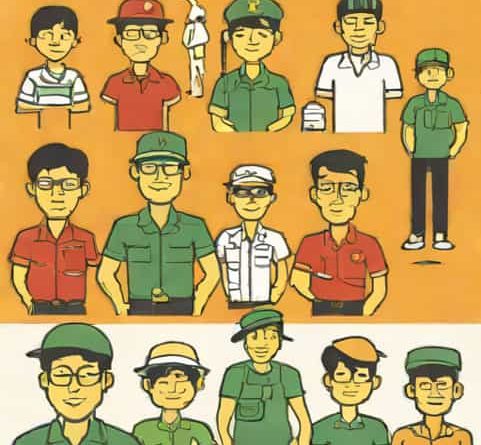
The Guys Of Yangon
Yangon, the largest city in Myanmar, is not only a hub of history and culture but also a place filled with dynamic and interesting people. Among them are the guys of Yangon, a term that captures the spirit of young men navigating life in a rapidly changing urban environment. These individuals often embody a mix of tradition and modernity, balancing the values of their families with the aspirations of contemporary city life. From the bustling streets near Sule Pagoda to the quieter neighborhoods by the Yangon River, these men reflect the vibrant and diverse personality of the city itself. They are students, entrepreneurs, artists, and workers, each contributing to the unique atmosphere of Yangon through their lifestyles, ambitions, and social interactions.
The Everyday Life of Young Men in Yangon
Life for the guys of Yangon varies widely depending on their background, education, and career paths. Many are engaged in higher education, attending universities or vocational schools across the city. Education is often seen as a path to personal and financial growth, and young men in Yangon take it seriously, often juggling studies with part-time work to support themselves and their families.
For others, entrepreneurship is a common pursuit. Street vendors, shop owners, and small business operators are a visible part of the cityscape. These young men bring energy and innovation to traditional business practices, combining modern marketing strategies with the cultural habits of their local communities. The drive to succeed in a competitive urban environment is a defining trait of many young men in Yangon.
Social Life and Friendships
Social connections are a central aspect of life for the guys of Yangon. They often gather in local tea shops, cafes, or parks to share conversations, exchange ideas, and relax after a busy day. These friendships play a crucial role in providing support networks, entertainment, and opportunities for collaboration. Music, sports, and street games are popular pastimes, creating a sense of camaraderie and shared identity among young men in different neighborhoods.
- Tea ShopsPlaces where discussions about politics, sports, and local news flourish.
- Sports FieldsMany enjoy football, basketball, and traditional games.
- Cultural EventsFestivals and traditional ceremonies are attended collectively, strengthening bonds.
Fashion and Style Trends
The guys of Yangon often reflect a mix of traditional Burmese attire and modern fashion trends. While longyi, the traditional skirt-like garment, remains common in daily life, especially in homes and informal settings, Western-style clothing is increasingly popular in urban areas. Sneakers, jeans, and casual shirts are common among young men, particularly in the central business districts and university campuses. Fashion is not just about appearance; it is a way to express individuality, social status, and cultural identity in a city where heritage meets globalization.
Technology and Digital Influence
Technology plays a major role in shaping the lives of Yangon’s young men. Smartphones, social media platforms, and online communities are integral for communication, entertainment, and career development. Many use social media to stay connected with friends, share achievements, and follow trends in music, fashion, and technology. E-commerce and digital entrepreneurship are also gaining traction, with young men leveraging online platforms to sell products, provide services, or promote their creative work. The influence of technology has allowed these individuals to expand their horizons beyond the physical limits of the city.
Challenges and Aspirations
Despite their energy and creativity, the guys of Yangon face several challenges. Economic uncertainty, limited job opportunities, and urban congestion are ongoing concerns. Young men often need to navigate family expectations, societal pressures, and personal ambitions simultaneously. However, these challenges also inspire resilience and determination. Many are motivated to improve their living conditions, pursue higher education abroad, or start innovative businesses within Yangon. Their aspirations are deeply tied to the idea of contributing positively to their communities while achieving personal growth.
Cultural Identity and Values
Maintaining cultural identity is important for young men in Yangon. Respect for elders, community involvement, and participation in traditional ceremonies remain integral parts of their lives. At the same time, exposure to global culture through media, travel, and education encourages openness and adaptability. This duality creates a generation that is rooted in Burmese heritage yet capable of engaging with global trends and ideas. Religion, festivals, and family traditions continue to provide a moral and social framework that guides their daily decisions and long-term goals.
Contribution to the City
The guys of Yangon contribute to the city in multiple ways. Economically, through small businesses, creative industries, and skilled labor, they drive local commerce. Socially, they foster community cohesion through sports, cultural events, and volunteering. Creatively, young men are increasingly involved in art, music, literature, and film, promoting Yangon as a center for modern Burmese culture. Their participation in public life, whether in urban development projects, cultural preservation, or civic activism, ensures that Yangon remains a dynamic and evolving city.
Looking Ahead
The future of the guys of Yangon is intertwined with the future of the city itself. As Myanmar continues to experience political, social, and economic changes, these young men will play a crucial role in shaping urban culture and society. Their adaptability, ambition, and commitment to both tradition and innovation position them as key contributors to the city’s ongoing transformation. With a blend of resilience, creativity, and community spirit, the guys of Yangon represent not just the present energy of the city but also its potential for growth and modernization in the years to come.
the guys of Yangon are more than just residents of a bustling Southeast Asian city; they are the lifeblood of urban culture, bridging the gap between history and modernity. Their everyday lives, social networks, fashion choices, digital engagement, and aspirations create a rich tapestry of experiences that define Yangon today. Understanding their roles and challenges provides insight into the dynamic interplay between tradition and progress, revealing how young men in Yangon contribute to a city that is both deeply rooted in heritage and open to the possibilities of the future.