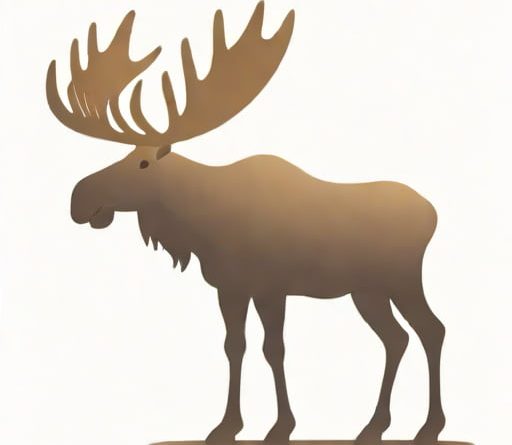
The Size Of A Moose
Moose are among the largest members of the deer family and are easily recognizable by their towering height, massive antlers, and impressive weight. These majestic animals inhabit the northern regions of North America, Europe, and Asia, and their size has long fascinated wildlife enthusiasts and researchers alike. Understanding the size of a moose provides insights into its behavior, ecological role, and the adaptations that allow it to survive in harsh environments. Moose are not only physically imposing but also play a critical role in maintaining the balance of their ecosystems, influencing plant growth, and serving as prey for large predators. Observing their size and characteristics can help humans appreciate the grandeur and resilience of these remarkable creatures.
Height and Length of a Moose
Moose are known for their remarkable height, which distinguishes them from other deer species. Adult male moose, also known as bulls, can stand between 5.5 to 6.5 feet at the shoulder, while females, called cows, are slightly smaller, typically ranging from 4.5 to 5.5 feet. In terms of body length, moose can measure between 8 to 10 feet from the nose to the base of the tail. Their long legs contribute significantly to their towering stature, allowing them to navigate deep snow and dense forests with ease. This impressive height and length make moose the largest terrestrial members of the deer family and a striking presence in their habitats.
Factors Influencing Height and Length
- Genetics Different moose subspecies, such as the Alaska moose or European moose, vary in size due to genetic differences.
- Nutrition Access to abundant food sources during growth stages affects overall size and body condition.
- Age Moose continue to grow until they reach full maturity, typically around five years of age.
- Environmental Conditions Climate, habitat quality, and seasonal availability of resources can influence growth patterns.
Weight of a Moose
In addition to their height and length, moose are notable for their substantial weight. Adult bull moose can weigh anywhere from 800 to 1,600 pounds, with some exceptional individuals exceeding 1,800 pounds. Cows are generally lighter, with weights ranging from 600 to 1,000 pounds. This considerable weight is supported by strong, long legs and a robust skeletal structure. The weight of a moose contributes to its ability to travel through snow and fend off predators, while also requiring a significant intake of nutrients from vegetation. Understanding their weight provides insight into their energy needs and ecological impact.
Weight Variation Factors
- Subspecies Differences Some subspecies, such as the Alaskan moose, tend to be larger and heavier than their European counterparts.
- Seasonal Changes Moose gain weight in late summer and autumn to prepare for the winter months.
- Diet High-quality forage, including aquatic plants, shrubs, and young tree shoots, contributes to weight gain and overall health.
- Age and Gender Bulls typically weigh more than cows, and mature adults are heavier than younger moose.
Antlers and Size Perception
One of the most iconic features of a moose is its massive antlers, which can further enhance the perception of size. Male moose grow broad, palmate antlers that can span up to 6 feet from tip to tip in large individuals. These antlers are used for mating displays, dominance battles, and defense against predators. Antler size is often correlated with age, nutrition, and genetics, making them a reliable indicator of a bull’s physical condition. While antlers are shed annually, they grow back each year, often larger than before, emphasizing the impressive size and strength of adult moose.
Antler Growth Factors
- Age Mature bulls produce the largest antlers, with peak size occurring between 5 and 12 years of age.
- Nutrition Adequate protein, minerals, and overall diet quality support antler development.
- Genetics Subspecies and individual genetic makeup influence antler shape and size.
- Health Illness or injury can limit antler growth, while healthy moose exhibit symmetrical and expansive antlers.
Comparisons With Other Deer Species
When compared to other members of the deer family, moose are considerably larger. For instance, white-tailed deer and red deer are significantly smaller, with average weights ranging from 150 to 400 pounds and heights of 3 to 4 feet at the shoulder. Elk, while large, still do not match the combined height and weight of adult moose. This size advantage allows moose to access higher vegetation, navigate challenging terrain, and maintain dominance in their ecological niches. The size of moose is not only a matter of physical presence but also a key factor in their survival and adaptability.
Ecological Implications of Size
- Feeding Behavior Large size enables moose to browse higher shrubs and trees, shaping plant community structures.
- Predator Avoidance Size and strength deter predators like wolves and bears, reducing predation risks.
- Territorial Influence Large bulls establish dominance in mating areas, affecting reproductive success.
- Habitat Use Size influences movement patterns, habitat selection, and the ability to traverse deep snow or marshy areas.
Size Across Different Subspecies
Moose are found in various regions, and their size can vary significantly depending on subspecies. The Alaskan moose is among the largest, often exceeding 1,600 pounds and standing over 6 feet tall at the shoulder. The Eurasian or European moose is slightly smaller, with bulls typically weighing up to 1,300 pounds. The Newfoundland moose is also large, though generally lighter than Alaskan individuals. These variations highlight how environmental factors, genetics, and resource availability contribute to the diversity in moose size across the globe.
Subspecies Overview
- Alaskan Moose Tallest and heaviest, adapted to cold climates and abundant forests.
- European Moose Slightly smaller, inhabiting forests and wetlands in Northern Europe.
- Newfoundland Moose Large, with a preference for dense forest habitats.
- Siberian Moose Robust and well-adapted to harsh Siberian winters, with significant antler development.
The size of a moose is a defining characteristic that sets it apart from other deer species and underscores its role in northern ecosystems. Their towering height, substantial weight, and massive antlers contribute to their ability to survive and thrive in challenging habitats. Factors such as genetics, nutrition, age, and environment play crucial roles in determining individual size, with significant variations across subspecies. Understanding the size of moose provides insights into their behavior, feeding patterns, predator interactions, and ecological influence, allowing researchers and wildlife enthusiasts to appreciate these magnificent creatures fully.
Moose are truly remarkable animals, with their impressive size symbolizing strength, resilience, and adaptation. Observing their height, weight, and antler span offers a glimpse into their complex lives and the strategies that have allowed them to flourish in diverse habitats. By studying the size of moose, we gain not only knowledge about the species but also a greater appreciation for the natural world and the incredible diversity of life it supports.