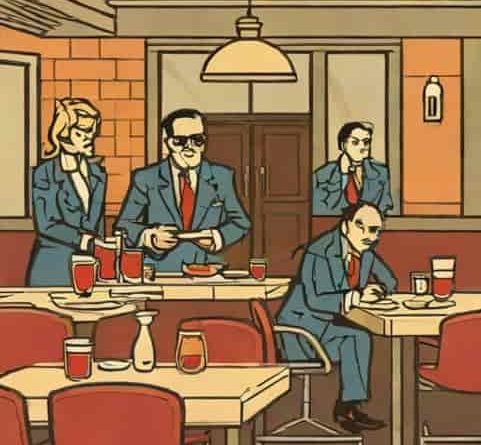
The Sopranos Restaurateur Nyt
The Sopranos, widely regarded as one of the greatest television series of all time, not only captivated audiences with its intricate storytelling and complex characters but also influenced real-world businesses, including the restaurant industry. One notable aspect is the connection between the show and restaurateurs who found their ventures inspired or affected by the series. The New York Times has highlighted how certain restaurateurs navigated the fine line between embracing The Sopranos’ cultural impact and maintaining the integrity of their establishments. This topic explores the intersection of The Sopranos and the world of restaurateurs, focusing on how the series shaped business decisions, customer expectations, and media coverage, including features in prestigious outlets like the New York Times.
The Cultural Impact of The Sopranos
Premiering in 1999, The Sopranos introduced audiences to the life of Tony Soprano, a mob boss balancing family obligations with his criminal enterprises. Beyond its compelling plotlines and character development, the show had a substantial cultural impact, influencing fashion, language, and lifestyle choices. Restaurants and food culture were particularly affected, as the series often showcased meals, Italian cuisine, and dining experiences central to the storyline.
Italian Cuisine in Popular Media
Italian food, often portrayed as a symbol of family, tradition, and sophistication in The Sopranos, became a point of inspiration for restaurateurs. New restaurants featuring Italian cuisine found that aligning their branding with the ambiance and aesthetic of the show could attract curious patrons. Media coverage, including reviews and features in publications like the New York Times, often highlighted these connections, noting how the popularity of the series influenced customer expectations and the culinary scene.
Restaurateurs Inspired by The Sopranos
Several restaurateurs leveraged the cultural prominence of The Sopranos to enhance their businesses. By evoking the atmosphere of the show through decor, menu choices, and branding, they created an immersive experience that resonated with fans. For instance, some establishments adopted subtle nods to the series, including themed dishes, memorabilia, or naming conventions that paid homage to iconic characters and scenes.
Media Attention and the New York Times
The New York Times has featured restaurateurs who successfully integrated elements of The Sopranos into their establishments. topics often explored the balance between authenticity and commercialization, examining how these businesses maintained culinary excellence while capitalizing on the show’s fame. The Times highlighted stories where restaurateurs attracted both local patrons and tourists eager to experience a taste of the Sopranos lifestyle, contributing to increased visibility and revenue.
Challenges Faced by Restaurateurs
While leveraging a popular television show can be advantageous, restaurateurs faced unique challenges. One key issue was avoiding the perception of gimmickry. Customers drawn in by a Sopranos theme expected high-quality dining experiences in addition to any novelty. Restaurateurs had to ensure that the menu, service, and overall environment met professional standards, as media outlets like the New York Times would scrutinize both the authenticity and quality of the establishment.
Maintaining Authenticity
Maintaining authenticity involved thoughtful integration of Sopranos-inspired elements without overshadowing the core culinary offerings. Restaurateurs carefully curated their decor, selected menu items that reflected traditional Italian cuisine, and trained staff to provide exemplary service. By balancing thematic elements with genuine culinary expertise, these businesses were able to attract media coverage and positive customer reviews while respecting the essence of the show.
Marketing and Branding Strategies
Restaurateurs inspired by The Sopranos employed creative marketing strategies to appeal to fans of the show. Social media campaigns, event nights featuring Sopranos trivia, and limited-time menu items referencing the series were common approaches. These strategies not only increased customer engagement but also helped restaurants stand out in a competitive dining landscape.
Leveraging Pop Culture for Business Growth
Integrating popular culture into branding allowed restaurateurs to tap into an existing fan base. By referencing iconic moments or characters from The Sopranos, establishments created a unique selling proposition that distinguished them from other restaurants. Coverage in influential media outlets such as the New York Times further validated these efforts, providing credibility and attracting attention from a broader audience.
Economic and Social Considerations
The influence of The Sopranos extended beyond aesthetics and marketing. Restaurateurs observed shifts in customer behavior, with fans seeking immersive dining experiences reminiscent of the series. Economic benefits included increased foot traffic, higher sales, and enhanced brand recognition. Socially, these restaurants became gathering spaces for fans to discuss episodes, share memories, and celebrate their connection to the series, fostering a sense of community and engagement.
Tourism and Culinary Tourism
Some Sopranos-inspired restaurants became destinations for culinary tourism. Visitors from outside the local area sought out these establishments for the unique experience they offered. The New York Times highlighted such cases, noting how the intersection of television culture and dining created opportunities for local economies and cultural enrichment. Restaurateurs who successfully managed this dynamic benefited from both short-term popularity and long-term brand loyalty.
Lessons Learned from Sopranos-Inspired Restaurateurs
Analyzing the experiences of restaurateurs influenced by The Sopranos reveals several important lessons for businesses leveraging popular culture
- Balance novelty with qualityThematic elements should complement, not overshadow, core products and services.
- Maintain authenticityCredibility and authenticity are crucial for long-term success and media recognition.
- Engage customersInteractive experiences, events, and storytelling enhance customer engagement.
- Leverage media coveragePositive features in reputable outlets like the New York Times can boost visibility and credibility.
- Adapt to trendsAwareness of cultural trends allows businesses to remain relevant and capitalize on opportunities.
Impact on the Restaurant Industry
The intersection of The Sopranos and the restaurant industry illustrates how media can influence consumer behavior and business strategies. Restaurateurs who successfully integrate cultural references into their operations can enhance customer experience, differentiate their brand, and achieve economic success. Media coverage, particularly from respected publications like the New York Times, amplifies these effects, offering a platform to showcase innovative approaches to themed dining and storytelling through cuisine.
Future Prospects
As new television series and pop culture phenomena emerge, restaurateurs can continue to draw inspiration from media to enhance their businesses. The success of Sopranos-inspired establishments demonstrates the potential of combining culinary expertise with cultural storytelling. By learning from past examples, future restaurateurs can navigate challenges and capitalize on the opportunities presented by the convergence of media, culture, and dining.
Conclusion Without Formal Closing
The Sopranos’ influence on the restaurant industry, highlighted through features in the New York Times, underscores the power of popular culture to shape business practices and customer expectations. Restaurateurs who thoughtfully integrated the series’ themes into their establishments created immersive dining experiences that attracted fans, enhanced brand recognition, and generated economic benefits. Balancing thematic elements with quality, authenticity, and customer engagement proved essential for long-term success. The story of Sopranos-inspired restaurateurs provides valuable lessons for anyone seeking to leverage media and culture in business, illustrating the enduring impact of a television phenomenon on the real world and the dynamic relationship between media, dining, and entrepreneurship.