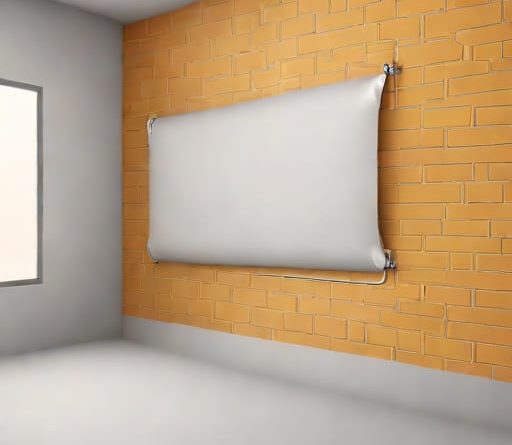
Vapor Barrier For Basement Walls
Installing a vapor barrier for basement walls is an essential step in protecting a home from moisture-related issues, including mold growth, structural damage, and poor indoor air quality. Basements are prone to high humidity and water infiltration due to their location below ground level, making moisture control critical. A vapor barrier acts as a protective layer that prevents water vapor from passing through walls, keeping the interior dry and improving energy efficiency. Homeowners, builders, and contractors increasingly recognize the importance of proper basement waterproofing, and understanding the role, installation methods, and materials for vapor barriers can save money and prevent long-term problems. This comprehensive guide explores everything you need to know about vapor barriers for basement walls.
What is a Vapor Barrier?
A vapor barrier is a material designed to block the diffusion of water vapor through walls, floors, and ceilings. Unlike waterproofing membranes that stop liquid water, vapor barriers specifically target moisture in its gaseous form. Commonly used in basements, these barriers help maintain a dry environment and protect structural elements from damage caused by condensation and dampness. Vapor barriers are available in several forms, including polyethylene sheets, specialized paints, and foil-faced panels, each offering different levels of permeability and durability.
Why Vapor Barriers are Important for Basement Walls
- Moisture ControlBasements are naturally prone to moisture due to surrounding soil and groundwater. Vapor barriers prevent water vapor from seeping into interior spaces.
- Mold and Mildew PreventionBy limiting humidity, vapor barriers reduce the risk of mold growth, which can cause health issues and damage to building materials.
- Structural ProtectionContinuous moisture can weaken concrete, wood, and other structural components. A vapor barrier helps preserve the integrity of basement walls.
- Energy EfficiencyMoist air inside walls can reduce insulation effectiveness. Installing a vapor barrier helps maintain consistent thermal performance, reducing heating and cooling costs.
Types of Vapor Barriers for Basement Walls
Choosing the right type of vapor barrier depends on the basement’s construction, climate conditions, and the level of moisture protection required. Below are the most common options
Polyethylene Sheets
Polyethylene plastic sheeting is one of the most widely used vapor barriers. Typically ranging from 6 to 20 mils in thickness, it is installed directly against basement walls or as part of an interior wall assembly. It is affordable, easy to work with, and provides an effective moisture barrier when properly sealed at seams and edges.
Foil-Faced Panels
Foil-faced panels combine insulation with a reflective vapor barrier. These panels are ideal for basements where both moisture control and improved energy efficiency are desired. They are installed on interior walls and can help reflect heat back into the living space while keeping vapor out.
Specialized Paints and Coatings
Vapor barrier paints or coatings can be applied directly to concrete or masonry walls. These coatings create a semi-permeable barrier that resists water vapor while allowing walls to breathe to some extent. While easier to apply than sheets or panels, paints may require multiple coats and regular inspection to ensure continued effectiveness.
Installation Guidelines
Proper installation of a vapor barrier is crucial for its effectiveness. The following steps provide a general guideline for installing a vapor barrier on basement walls
Surface Preparation
- Clean the walls thoroughly, removing dust, dirt, and loose paint.
- Repair cracks and holes in the concrete or masonry to prevent leaks.
- Ensure the walls are dry before installation to avoid trapping existing moisture.
Installing Polyethylene Sheets
- Measure and cut sheets to fit the height of the walls.
- Attach sheets using nails, staples, or adhesive, ensuring a snug fit against the wall.
- Seal all seams and edges with vapor-proof tape to create a continuous barrier.
- If covering with drywall or paneling, leave a small gap at the floor to prevent water wicking in case of minor leaks.
Applying Vapor Barrier Paints
- Stir the coating thoroughly and apply using a roller or brush.
- Apply at least two coats, allowing each coat to dry according to manufacturer instructions.
- Inspect the surface regularly for peeling or cracks and reapply as necessary.
Considerations and Best Practices
When installing a vapor barrier for basement walls, there are several important considerations to keep in mind to ensure long-term effectiveness
Compatibility with Insulation
Vapor barriers should be compatible with any insulation installed in basement walls. Installing a barrier on the wrong side of insulation can trap moisture and lead to mold or rot. Generally, in colder climates, the vapor barrier should be installed on the warm side of the insulation.
Proper Sealing
The effectiveness of a vapor barrier depends heavily on sealing all seams, edges, and penetrations. Even small gaps can allow moisture to pass through, defeating the purpose of the barrier.
Ventilation and Dehumidification
While vapor barriers reduce moisture intrusion, proper ventilation and the use of dehumidifiers are essential to maintain a dry basement environment. A vapor barrier works best as part of a comprehensive moisture management strategy.
Common Mistakes to Avoid
- Installing the vapor barrier on a damp wall, which can trap moisture and promote mold growth.
- Failing to seal seams and edges, creating pathways for water vapor.
- Using a barrier that is too permeable for high-moisture areas.
- Ignoring floor-to-wall junctions, which are critical points for water intrusion.
Benefits of a Properly Installed Vapor Barrier
A well-installed vapor barrier offers numerous benefits for basement walls and the overall home environment. These include reduced risk of mold and mildew, improved structural integrity, enhanced energy efficiency, and a healthier indoor environment. Homeowners can enjoy peace of mind knowing that their basement is protected from the hidden dangers of moisture, while also potentially increasing the property’s resale value by addressing a common concern in home inspections.
Vapor barriers for basement walls are an essential component of effective moisture management in any home. By selecting the appropriate materials, following proper installation techniques, and incorporating ventilation and dehumidification strategies, homeowners can significantly reduce the risks associated with basement moisture. From polyethylene sheets and foil-faced panels to specialized paints, there are multiple options to suit different needs and budgets. Understanding the importance of sealing, compatibility with insulation, and proper installation ensures that the vapor barrier provides long-term protection, creating a dry, safe, and energy-efficient basement environment for years to come.