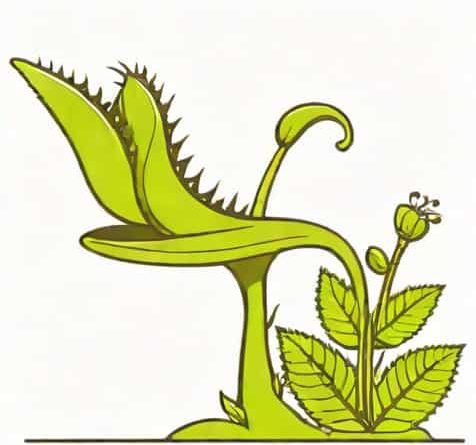
Venus Fly Trap Leggy
The Venus flytrap, a fascinating carnivorous plant known for its rapid leaf movements and insect-trapping abilities, can sometimes develop a condition referred to as being leggy. A leggy Venus flytrap is characterized by elongated, thin leaves and a sparse overall appearance, often giving the plant a stretched or unhealthy look. This phenomenon can occur due to several environmental factors, primarily inadequate light, improper feeding, or unsuitable growing conditions. Understanding why a Venus flytrap becomes leggy and how to address it is essential for maintaining a healthy, vibrant plant. Proper care not only restores the plant’s compact and attractive structure but also ensures it continues to thrive and effectively capture prey.
Causes of a Leggy Venus Flytrap
One of the most common reasons for a Venus flytrap to become leggy is insufficient light. These plants are native to sunny, boggy areas in the southeastern United States and require a significant amount of direct sunlight to maintain their compact shape. When a Venus flytrap does not receive enough light, it begins to stretch towards the light source, causing elongated stems and sparse leaf growth. This stretching can lead to weak leaves that may struggle to open fully or trap insects efficiently.
Another contributing factor is over-fertilization or improper soil nutrients. Venus flytraps naturally grow in nutrient-poor, acidic soils, and providing excessive fertilizers can harm the plant rather than help it. A leggy appearance may result when the plant diverts energy towards unhealthy growth rather than producing strong, functional traps. Additionally, feeding the plant inappropriate food, such as processed or cooked insects, can stress the plant, weakening its overall structure and contributing to legginess.
Environmental Stressors
Environmental stressors beyond light and nutrition also affect a Venus flytrap’s growth. For example, placing the plant in conditions with inconsistent moisture, poor air circulation, or extreme temperatures can lead to weakened growth patterns. A plant that is frequently moved or exposed to fluctuating temperatures may respond by stretching and producing elongated leaves. Understanding the natural habitat and requirements of Venus flytraps is key to mitigating these stress-induced leggy forms.
Identifying a Leggy Venus Flytrap
Recognizing a leggy Venus flytrap involves observing the plant’s overall shape and leaf structure. A healthy Venus flytrap typically has short, sturdy leaves arranged symmetrically around a central crown. In contrast, a leggy plant will have noticeably long petioles (the stalks of the leaves), widely spaced traps, and a stretched appearance. The traps themselves may be smaller or less vibrant than usual, and the plant may appear thin and sparse, lacking the lush green or reddish coloration seen in well-cared-for specimens.
Impact on Plant Health
Legginess affects not only the appearance of the Venus flytrap but also its overall health and ability to capture prey. Long, weak leaves are less effective at snapping shut on insects, which reduces the plant’s nutrient intake. This can create a feedback loop, where insufficient nutrition further weakens the plant, leading to continued leggy growth. Early identification and intervention are crucial to prevent long-term damage and restore the plant to its optimal condition.
Corrective Measures for a Leggy Venus Flytrap
Restoring a leggy Venus flytrap requires adjustments to light, water, soil, and general care. The first step is to provide adequate light, ideally through full sunlight or high-quality grow lights. Venus flytraps require at least 12 hours of bright light daily to maintain healthy, compact growth. If using artificial lighting, ensure the light spectrum is suitable for carnivorous plants and positioned close enough to prevent the plant from stretching.
Watering practices are also crucial. Venus flytraps need consistently moist soil but should not be waterlogged. Using distilled water, rainwater, or reverse osmosis water is recommended, as tap water can contain minerals harmful to the plant. Maintaining a consistent moisture level without oversaturating the soil helps the plant regain strength and promotes robust, short leaf growth.
Soil and Potting Adjustments
Another important factor is the soil mix. Venus flytraps thrive in nutrient-poor, acidic substrates, such as a mixture of sphagnum peat moss and perlite. Avoid using standard potting soil or fertilizers, as these can exacerbate legginess and harm the plant. Repotting the Venus flytrap in the appropriate medium can encourage new, compact growth and improve the plant’s overall vigor.
Pruning and Propagation
Pruning leggy leaves can help the plant redirect energy toward producing healthier traps. Carefully remove excessively elongated leaves at the base while avoiding damage to the central crown. In some cases, propagation through leaf cuttings or division of the rhizome may also be beneficial, allowing gardeners to cultivate new, compact plants from older, leggy specimens.
Preventive Care for Future Growth
Preventing legginess in Venus flytraps is easier than correcting it once established. Consistent care with proper light exposure, suitable soil, and adequate water ensures that the plant remains strong and healthy. Monitoring the plant regularly and adjusting environmental conditions as needed helps maintain its natural, compact form. Additionally, seasonal dormancy, typically occurring in winter, should be respected, as forcing growth during dormancy can weaken the plant and contribute to leggy development.
Additional Tips for Healthy Growth
- Ensure the plant receives at least 12 hours of sunlight or appropriate artificial lighting daily.
- Use distilled, rain, or reverse osmosis water to avoid mineral buildup in the soil.
- Maintain a nutrient-poor, acidic soil mixture suitable for carnivorous plants.
- Remove leggy or weak leaves to encourage energy redirection to healthy growth.
- Respect the plant’s dormancy period to avoid stress and weak growth.
- Monitor for pests or diseases that can exacerbate leggy conditions.
Leggy Venus flytraps, while visually concerning, can recover with attentive care and proper adjustments to their growing environment. By addressing light deficiencies, providing suitable soil and water, and pruning weak growth, gardeners can restore their Venus flytrap to a strong, compact, and vibrant condition. Understanding the causes and effects of legginess allows plant enthusiasts to prevent future issues and maintain the unique beauty and carnivorous functionality of these remarkable plants. Regular observation and care not only improve the aesthetic appeal but also ensure the Venus flytrap remains a healthy, effective insect trap, continuing to fascinate and delight all who care for it.