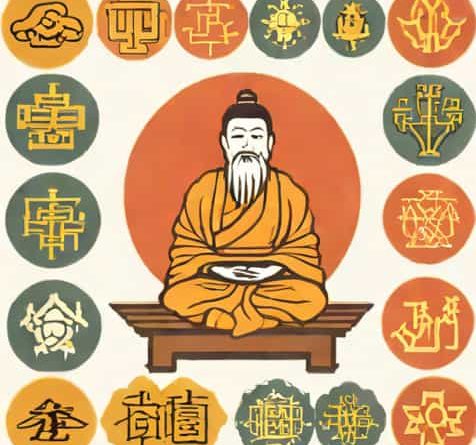
Virtue Ethics And Confucianism
Ethical philosophy has long been concerned with questions of how humans should live, what values should guide behavior, and what makes a person truly good. Among the many approaches to moral philosophy, virtue ethics and Confucianism stand out for their emphasis on character and moral cultivation rather than rigid rules or utilitarian outcomes. While virtue ethics is commonly associated with ancient Greek philosophy, particularly Aristotle, Confucianism emerged in ancient China through the teachings of Confucius and his followers. Exploring the connection between virtue ethics and Confucianism reveals not only their similarities but also their distinct cultural perspectives on morality and the development of human character.
Understanding Virtue Ethics
Virtue ethics is a tradition of moral philosophy that emphasizes virtues-traits of character such as courage, honesty, and generosity-over abstract rules or the calculation of consequences. Aristotle, one of the most influential philosophers in this tradition, argued that the goal of life is to achieve eudaimonia, often translated as flourishing or well-being. For Aristotle, virtues are habits developed through practice, enabling individuals to act rightly in various situations. Instead of asking What should I do? virtue ethics asks What kind of person should I be?
Key Features of Virtue Ethics
- Character-centeredFocuses on the moral character of the individual rather than isolated actions.
- HabituationVirtues are acquired through consistent practice and moral education.
- Practical wisdomThe ability to judge correctly in different circumstances, known as phronesis.
- Human flourishingThe ultimate aim is living a good and fulfilling life, not merely following rules.
Introduction to Confucianism
Confucianism is not only a philosophy but also a cultural and ethical system deeply rooted in Chinese civilization. At its core, it stresses harmony, social order, and the cultivation of virtue within the context of relationships. Confucius emphasized the importance of moral exemplars, such as the junzi or gentleman, who embodies ethical living through sincerity, respect, and self-discipline. Unlike rigid rule-based systems, Confucian ethics focuses on role responsibilities and the cultivation of character that aligns with social harmony.
Central Virtues in Confucianism
- Ren (Humaneness)Compassion and benevolence toward others, the cornerstone of Confucian ethics.
- Li (Ritual Propriety)Observing rituals and traditions that foster respect and harmony.
- Yi (Righteousness)Doing what is morally right rather than pursuing personal gain.
- Zhi (Wisdom)Understanding moral principles and applying them effectively.
- Xiao (Filial Piety)Respect and devotion to one’s parents and ancestors.
Similarities Between Virtue Ethics and Confucianism
Despite originating in different parts of the world, virtue ethics and Confucianism share several core principles. Both prioritize the moral development of individuals, emphasizing that character formation is essential for ethical living. Neither system relies heavily on absolute rules or strict consequences, but instead promotes internalizing virtues through practice and reflection.
Shared Philosophical Themes
- Moral cultivationBoth systems highlight the importance of developing virtues through education, habit, and personal growth.
- Community focusEthical behavior is not only about the individual but also about contributing to the harmony and flourishing of society.
- Role of exemplarsBoth traditions value role models-whether Aristotle’s virtuous person or Confucius’s junzi-as guides for moral development.
- Contextual judgmentMorality is situational, requiring wisdom to act appropriately rather than following rigid rules.
Differences Between the Two Traditions
While virtue ethics and Confucianism share a character-based approach, they diverge in certain cultural and philosophical emphases. Aristotle’s virtue ethics is centered on the individual’s pursuit of personal flourishing, whereas Confucianism often stresses relational ethics and social harmony.
Points of Divergence
- Individual vs. relational focusVirtue ethics emphasizes the individual’s excellence, while Confucianism emphasizes one’s role within family and community.
- Teleology vs. harmonyAristotle grounds ethics in achieving eudaimonia as the ultimate goal, while Confucianism values harmony within society as the highest good.
- Role of ritualRitual and tradition (li) play a central role in Confucian practice, but they are less emphasized in Greek virtue ethics.
- Metaphysical groundingAristotle’s ethics are closely tied to his metaphysics of purpose and nature, whereas Confucian ethics focus more on cultural, social, and familial duties.
The Role of Education and Practice
In both traditions, education and consistent practice are crucial for developing virtues. Aristotle stresses habituation, where repeated actions shape moral character. Similarly, Confucianism places importance on lifelong learning, study of classical texts, and adherence to rituals that reinforce moral values. Both systems acknowledge that becoming virtuous is a gradual process requiring dedication, reflection, and guidance from mentors.
Relevance in Modern Society
Virtue ethics and Confucianism continue to have practical significance today. In a world often dominated by laws and regulations, these traditions remind us that ethical living goes beyond compliance. They encourage self-improvement, empathy, and respect for others. For example, applying Confucian values in business settings can promote integrity and trust, while Aristotle’s virtue ethics can guide leaders toward fairness and wisdom in decision-making.
Applications in Different Contexts
- EducationTeaching character development rather than focusing only on grades or technical skills.
- LeadershipEncouraging leaders to embody virtues such as justice, humility, and compassion.
- Community lifeFostering civic responsibility, respect for traditions, and social harmony.
- Personal growthInspiring individuals to cultivate patience, honesty, and resilience in daily life.
Challenges and Criticisms
Although both traditions provide valuable insights, they are not without challenges. Virtue ethics has been criticized for being vague about which virtues are most important and how they should be prioritized. Confucianism has sometimes been criticized for being too hierarchical or conservative, especially in its emphasis on filial piety and social roles. However, modern interpretations often adapt these philosophies to contemporary values, making them more inclusive and relevant today.
Bridging the Traditions
Scholars often point out that bringing virtue ethics and Confucianism into dialogue can enrich our understanding of global ethics. For instance, combining Aristotle’s focus on individual flourishing with Confucius’s emphasis on relational harmony can create a more holistic view of moral life. Such cross-cultural comparisons highlight the universality of virtue as a central theme in human moral development, while respecting the cultural nuances that shape its expression.
Virtue ethics and Confucianism, though separated by geography and history, both underscore the importance of cultivating character, practicing virtues, and striving for a meaningful life. Their shared emphasis on moral development makes them highly relevant in today’s world, where ethical challenges require wisdom, compassion, and integrity. By learning from both traditions, individuals can cultivate not only personal excellence but also contribute to social harmony, embodying a vision of ethics that transcends cultural boundaries.