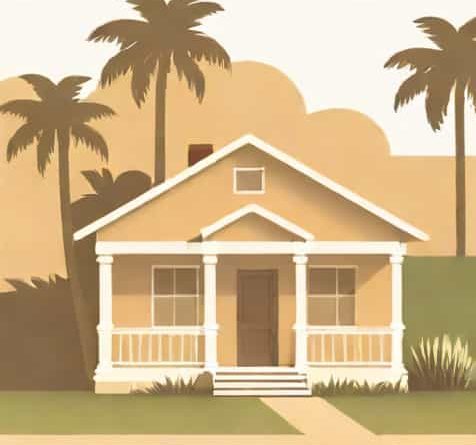
What Is A Californian Bungalow
The Californian Bungalow is a distinctive style of home that has become synonymous with early 20th-century architecture in the United States, particularly in California. Known for its low-pitched roofs, wide verandas, and open floor plans, this type of home was designed to blend with its natural surroundings while providing practical and comfortable living spaces. The Californian Bungalow reflects a unique blend of architectural influences, including the Arts and Crafts movement, and has left a lasting legacy on residential design. Understanding what a Californian Bungalow is requires exploring its history, design features, cultural significance, and the reasons for its enduring popularity.
Origins of the Californian Bungalow
The Californian Bungalow emerged in the early 1900s, inspired by the Arts and Crafts movement that emphasized simplicity, handcrafted details, and harmony with nature. Architects sought to create homes that were affordable, functional, and aesthetically pleasing, appealing to the growing middle class. The style quickly gained popularity in California due to its suitability for the mild climate, allowing homes to incorporate wide porches, large windows, and outdoor living spaces. The Californian Bungalow soon spread across the United States and later to Australia and other parts of the world.
Architectural Features
Californian Bungalows are easily recognizable due to their distinct architectural elements. The style emphasizes horizontal lines, natural materials, and a connection between indoor and outdoor spaces.
Roof and Exterior
The roof of a Californian Bungalow is typically low-pitched and gabled, often extending over the front porch. Exposed rafters and wide eaves are common, providing both aesthetic appeal and practical shade. Exterior walls are often constructed using wood, brick, or stucco, contributing to the home’s natural and handcrafted appearance. Many bungalows also feature decorative elements like tapered columns, stone accents, and built-in cabinetry that reflect the Arts and Crafts influence.
Porches and Outdoor Living
One of the hallmark features of a Californian Bungalow is the wide, welcoming front porch. These porches serve as transitional spaces between the indoors and outdoors, creating opportunities for relaxation and social interaction. Large windows and sliding doors further enhance the connection with nature, allowing natural light to flood the interior and providing views of gardens or streetscapes.
Interior Layout
The interior of a Californian Bungalow is designed for functionality and comfort. Open floor plans are common, combining living, dining, and kitchen areas to maximize space and encourage family interaction. Built-in furniture such as benches, bookcases, and cabinetry adds to the practical and handcrafted aesthetic. Bedrooms are typically modest in size but designed to provide privacy and comfort. Many bungalows also include fireplaces as a central feature, often surrounded by built-in shelving or artistic detailing.
Materials and Construction
Californian Bungalows emphasize natural materials and craftsmanship. Wood is frequently used for structural elements, floors, and decorative details. Brick, stone, and stucco are often incorporated into exterior walls, foundations, and chimneys. The use of these materials not only enhances durability but also strengthens the connection with the natural environment. The construction of these homes often involves handcrafted touches, reflecting the Arts and Crafts movement’s focus on artistry and attention to detail.
Cultural Significance
The Californian Bungalow played a significant role in shaping early suburban neighborhoods. Its design was particularly appealing to young families and the growing middle class, offering affordable housing without sacrificing style or comfort. The bungalow became a symbol of accessible homeownership, practicality, and aesthetic simplicity. Its cultural impact extended beyond the United States, influencing residential architecture in Australia, New Zealand, and other regions.
Influence on Suburban Development
The popularity of the Californian Bungalow coincided with the rise of suburban living. Developers embraced the style for its simplicity, affordability, and ability to fit on smaller plots of land. Its open layouts and connection with nature aligned with the ideals of suburban life, promoting family-centered living and community interaction. Streets lined with bungalows often created cohesive and attractive neighborhoods, enhancing the sense of community.
Arts and Crafts Movement
The influence of the Arts and Crafts movement is evident in the attention to detail, handcrafted elements, and use of natural materials in Californian Bungalows. This architectural philosophy emphasized quality over ornamentation, simplicity over complexity, and harmony with the environment. These principles are reflected in features such as built-in furniture, exposed beams, and carefully chosen materials, all contributing to a timeless aesthetic.
Why the Californian Bungalow Remains Popular
Even today, the Californian Bungalow continues to captivate homeowners and architects. Its timeless design, practicality, and connection with nature make it suitable for modern living while retaining historical charm. Many homeowners renovate bungalows to preserve original details while updating interiors for contemporary comfort. The enduring popularity is also fueled by the style’s versatility, allowing it to adapt to different climates, plot sizes, and lifestyle needs.
Adaptability and Renovation
Californian Bungalows are highly adaptable, making them ideal candidates for renovation and modernization. Original features such as porches, fireplaces, and built-in furniture can be preserved or restored, while interior layouts can be reconfigured to meet modern requirements. This balance between historical charm and contemporary function makes the style appealing to a wide range of homeowners.
Connection with Nature
The emphasis on outdoor spaces, large windows, and natural materials fosters a strong connection with the surrounding environment. This approach aligns with modern architectural trends that prioritize natural light, sustainability, and indoor-outdoor living. Californian Bungalows continue to appeal to those seeking homes that integrate seamlessly with gardens, landscapes, and local ecosystems.
Key Features to Identify a Californian Bungalow
- Low-pitched gabled roof with wide eaves
- Wide front porch with tapered columns
- Exposed rafters and handcrafted woodwork
- Use of natural materials such as wood, brick, and stone
- Open floor plans with built-in furniture and functional layouts
- Large windows for natural light and connection to the outdoors
The Californian Bungalow is a classic architectural style that combines practicality, aesthetic appeal, and a strong connection to the natural environment. Its history reflects the rise of middle-class homeownership, the influence of the Arts and Crafts movement, and the development of suburban neighborhoods in the early 20th century. With distinctive features such as low-pitched roofs, wide porches, open interiors, and handcrafted details, the bungalow remains a beloved style for homeowners seeking comfort, charm, and timeless design. Understanding what a Californian Bungalow is involves appreciating its architectural features, cultural significance, and enduring adaptability, which continue to make it a popular choice in modern residential architecture.
From its origins in California to its global influence, the Californian Bungalow stands as a testament to thoughtful design, functional elegance, and the enduring appeal of homes that blend seamlessly with their surroundings. Whether preserved in historic neighborhoods or renovated for modern living, this style continues to captivate and inspire homeowners and architects alike.