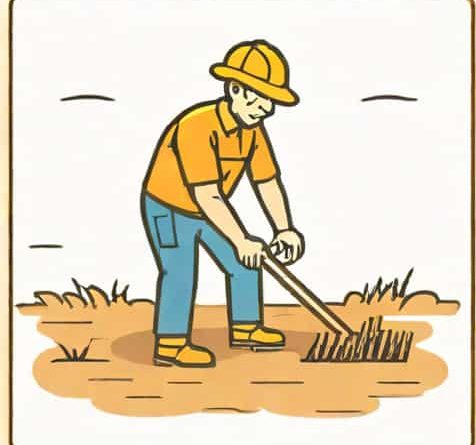
What Is A Groundman
In various industries, there are essential roles that often go unnoticed by the general public, yet without them, operations would struggle to function smoothly. One such role is that of a groundman. A groundman is a professional who works primarily on the ground, supporting technical, construction, or broadcasting operations. This role is crucial in ensuring that field operations run efficiently and safely, whether it involves handling equipment, setting up infrastructure, or coordinating activities. Understanding what a groundman does, the skills required, and the industries in which they work reveals the vital contributions of these professionals to a wide range of sectors.
Definition of a Groundman
A groundman is an individual employed to perform on-site support tasks in industries such as construction, telecommunications, broadcasting, or aviation. Unlike operators or engineers who handle the technical operations, groundmen focus on groundwork, logistics, and safety. Their responsibilities ensure that equipment is properly installed, maintained, and operational, enabling skilled technicians and engineers to perform their specialized tasks efficiently.
Key Characteristics of a Groundman
- Operates on-site, often outdoors or in challenging environments.
- Provides support to technical staff, such as linemen, broadcast crews, or construction engineers.
- Handles equipment setup, transportation, and maintenance.
- Focuses on safety protocols to prevent accidents and ensure compliance with regulations.
- Requires physical stamina and practical knowledge of the relevant industry.
Groundman in the Construction Industry
In construction, a groundman is often involved in tasks that prepare the site and support skilled tradespeople. This can include setting up scaffolding, handling materials, guiding machinery, and maintaining a safe work environment. Groundmen in construction are integral to ensuring that projects progress smoothly, as they manage logistics and assist with manual operations that keep the workflow steady.
Responsibilities in Construction
- Transporting and organizing construction materials.
- Assisting with the operation of cranes, lifts, and heavy machinery.
- Preparing and clearing work sites before the arrival of specialists.
- Ensuring compliance with safety standards and regulations.
- Supporting engineers, surveyors, and machine operators as needed.
Groundman in Broadcasting and Film Production
In broadcasting, a groundman often supports camera crews, sound engineers, and lighting technicians during outdoor shoots or live events. Their role involves setting up equipment, running cables, monitoring technical gear, and coordinating logistics. In high-pressure environments like live television or sports events, groundmen are essential for ensuring that broadcasts run without interruption.
Responsibilities in Broadcasting
- Setting up cameras, microphones, and lighting rigs.
- Running cables and ensuring power supplies are secure and functional.
- Transporting heavy equipment to and from the site.
- Assisting with live event coordination, including safety measures and timing.
- Providing quick troubleshooting support when technical issues arise.
Groundman in Telecommunications
In telecommunications, groundmen work closely with linemen or network engineers to install and maintain communication infrastructure. This can include telephone lines, fiber optics, or wireless network towers. Groundmen prepare the site, handle materials, and ensure that all equipment is ready for technicians to complete their work efficiently.
Responsibilities in Telecommunications
- Digging trenches or preparing poles for wiring installation.
- Transporting and organizing cables, tools, and equipment.
- Ensuring that work sites are safe for technicians and the public.
- Assisting with the repair and maintenance of communication lines.
- Monitoring equipment performance and reporting any issues to senior staff.
Skills Required for a Groundman
Being a groundman demands a combination of physical ability, technical knowledge, and practical problem-solving skills. Key competencies include
- Physical FitnessMany tasks require lifting, standing for long periods, and working in varying weather conditions.
- Technical UnderstandingFamiliarity with equipment and industry-specific tools is essential.
- Safety AwarenessFollowing safety protocols to prevent accidents is critical.
- TeamworkGroundmen often work as part of larger teams and must communicate effectively.
- AdaptabilityOn-site conditions can change rapidly, so groundmen need to respond quickly and efficiently.
Challenges Faced by Groundmen
Groundmen encounter a variety of challenges due to the demanding nature of their work. Many positions are physically strenuous and may involve exposure to harsh weather or hazardous environments. Additionally, tight deadlines, high-pressure live events, or complex construction projects require groundmen to maintain focus and efficiency at all times. Safety is a constant concern, and groundmen must be vigilant to avoid accidents that could affect themselves or other team members.
Common Challenges
- Working in extreme weather conditions, such as heat, cold, or rain.
- Handling heavy or cumbersome equipment safely.
- Meeting tight deadlines on construction or broadcast projects.
- Maintaining alertness in potentially hazardous environments.
- Coordinating with multiple teams to ensure smooth operations.
Importance of Groundmen
Despite often working behind the scenes, groundmen are indispensable in many industries. Their work ensures that technical operations run efficiently, safely, and on schedule. Without groundmen, construction sites would lack organization, broadcasting events could face equipment failures, and telecommunications projects might experience delays. Their support enables skilled professionals to focus on specialized tasks, improving overall productivity and quality of work.
Impact Across Industries
- Construction Supports engineers and tradespeople for safer and more efficient projects.
- Broadcasting Ensures smooth live events and professional production quality.
- Telecommunications Facilitates installation and maintenance of crucial communication networks.
- Event Management Helps manage logistics and setup for outdoor or large-scale events.
Career Path and Opportunities
Many groundmen start in entry-level positions, gaining experience and knowledge about the industry they work in. Over time, they can advance to roles such as lead groundman, supervisor, or technician, depending on their skills and ambitions. Formal training, certifications in safety protocols, and technical skills can also enhance career progression and open up opportunities in specialized fields like telecommunications or broadcasting.
Steps to Become a Groundman
- Gain basic knowledge of the industry, whether construction, broadcasting, or telecommunications.
- Obtain safety training certifications, such as OSHA or industry-specific courses.
- Develop physical stamina and practical problem-solving skills.
- Start in entry-level positions to gain hands-on experience.
- Pursue advancement through additional training, technical skills, and experience.
A groundman is a vital professional who works on-site to support various operations in industries like construction, broadcasting, and telecommunications. By handling equipment, ensuring safety, and providing logistical support, groundmen enable skilled specialists to perform their work efficiently. Their role requires physical stamina, technical knowledge, adaptability, and a commitment to safety, making them indispensable behind-the-scenes contributors. From setting up construction sites to supporting live television broadcasts, groundmen help ensure that operations run smoothly and effectively. Understanding what a groundman does highlights the importance of these professionals in keeping complex systems functioning and underscores the value of teamwork and dedication in various industries.
Word Count ~1010