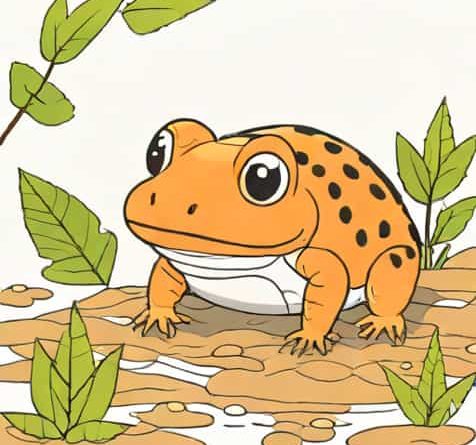
What Is A Polliwog
The term polliwog refers to the larval stage of a frog or toad, a fascinating and important part of the amphibian life cycle. At this stage, the creature has hatched from an egg and lives primarily in water, using gills to breathe and a tail to swim. Polliwogs are small, often translucent, and entirely aquatic, representing a critical stage in the metamorphosis from egg to adult frog or toad. Observing polliwogs in ponds, lakes, and other freshwater environments provides insight into the complex biological processes of growth, adaptation, and transformation that are characteristic of amphibians.
Definition and Characteristics of a Polliwog
Scientifically, a polliwog is a tadpole, the larval stage of amphibians in the order Anura, which includes frogs and toads. This stage begins immediately after hatching from eggs and can last several weeks to months depending on the species and environmental conditions. Polliwogs typically have a rounded body, a long tail, and no legs in the earliest stages. They breathe through external gills initially, which later develop into internal lungs as they mature. Their diet usually consists of algae, plant matter, and small organic ptopics, though some species may exhibit carnivorous tendencies.
Physical Development
Polliwogs undergo remarkable physical transformations during their growth. The development process, known as metamorphosis, involves the gradual formation of hind legs, followed by front legs, and the absorption of the tail. Simultaneously, their respiratory system shifts from gills to lungs, allowing them to live on land as adult frogs or toads. The digestive system also adapts, changing from a primarily herbivorous diet to one that can include insects and other small prey depending on the species. This stage illustrates the adaptability and complexity of amphibian biology.
Habitat and Ecology
Polliwogs inhabit freshwater environments such as ponds, lakes, streams, and slow-moving rivers. They prefer shallow, calm waters where they can feed and develop safely, avoiding strong currents and predators. Vegetation and debris in these habitats provide shelter and food, helping polliwogs survive the vulnerable stages of their early life. Environmental factors such as temperature, water quality, and availability of food significantly influence their growth rate and survival. Healthy populations of polliwogs are essential indicators of the ecological health of freshwater ecosystems.
Role in the Ecosystem
Polliwogs play an important role in aquatic ecosystems. They help control algae populations by feeding on plant matter and contribute to nutrient cycling in the water. Additionally, they serve as prey for a variety of predators, including fish, birds, and larger amphibians, thus forming a critical link in the food web. The presence of polliwogs indicates a balanced ecosystem and can reflect the environmental conditions of their habitat. Conservation of freshwater environments is crucial to maintaining polliwog populations and the biodiversity they support.
Life Cycle of a Polliwog
The life cycle of a polliwog begins with eggs, which are often laid in clusters or masses in water. After hatching, polliwogs emerge as small, aquatic larvae. They feed, grow, and undergo metamorphosis, gradually developing limbs and lungs. Once their tail is absorbed and lungs are fully functional, polliwogs transform into juvenile frogs or toads capable of leaving the water. This transition is a delicate period where environmental conditions, food availability, and predation can significantly impact survival rates.
Stages of Metamorphosis
- HatchingPolliwogs emerge from eggs, usually in clusters within aquatic environments.
- Larval GrowthThe polliwog grows, feeding on algae and other small ptopics, while its gills facilitate respiration.
- Leg DevelopmentHind legs form first, followed by front legs, marking the beginning of the transition to adulthood.
- Tail AbsorptionThe tail gradually shrinks as the polliwog prepares for terrestrial life.
- Adult Frog or ToadThe fully developed amphibian leaves the water, ready to reproduce and continue the species’ life cycle.
Diet and Feeding Habits
Polliwogs primarily feed on plant matter, algae, and detritus in the water. Their feeding mechanisms involve scraping and filtering microscopic ptopics from surfaces. As they grow and develop legs, some species transition to a more carnivorous diet, consuming insects, small crustaceans, or other tiny aquatic organisms. Feeding efficiency and diet quality are critical for their growth and successful metamorphosis. Polliwogs’ feeding activities also contribute to maintaining ecological balance by controlling algae and recycling nutrients.
Predators and Survival Challenges
Polliwogs face numerous predators, including fish, aquatic insects, birds, and larger amphibians. Their small size and vulnerability make them an important food source within aquatic food webs. Environmental threats, such as pollution, habitat destruction, and climate change, also pose challenges to polliwog survival. Protecting aquatic habitats and maintaining water quality are essential for ensuring that polliwogs can complete their development and continue the reproductive cycle of frogs and toads.
Fun Facts About Polliwogs
- The term polliwog is derived from Old English, meaning head and wriggle, reflecting their appearance and movement in water.
- Some species of polliwogs can change color as they grow, adapting to their environment for camouflage.
- Polliwogs have lateral line systems, similar to fish, which help them detect movement and vibrations in water.
- Metamorphosis can be influenced by temperature, nutrition, and population density, making it a highly variable process.
- Polliwogs are studied in biology and environmental science as models for understanding development, adaptation, and ecological health.
Educational and Scientific Importance
Polliwogs are frequently used in educational settings to teach concepts of life cycles, metamorphosis, and aquatic ecosystems. Observing polliwogs helps students understand how organisms adapt to environmental changes and develop from larvae to adults. In scientific research, polliwogs provide insights into developmental biology, environmental monitoring, and the effects of pollutants on amphibian populations. Their sensitivity to environmental conditions makes them valuable bioindicators for freshwater ecosystem health.
A polliwog is a remarkable and essential stage in the life of frogs and toads, showcasing one of nature’s most fascinating transformations. From their emergence as tiny, gill-breathing larvae to their metamorphosis into adult amphibians capable of living on land, polliwogs exemplify adaptability, growth, and ecological significance. They contribute to aquatic ecosystems by controlling algae, serving as prey, and reflecting environmental health. Observing polliwogs not only enhances our understanding of amphibian biology but also highlights the importance of conserving freshwater habitats to support the survival of these unique and vital creatures.