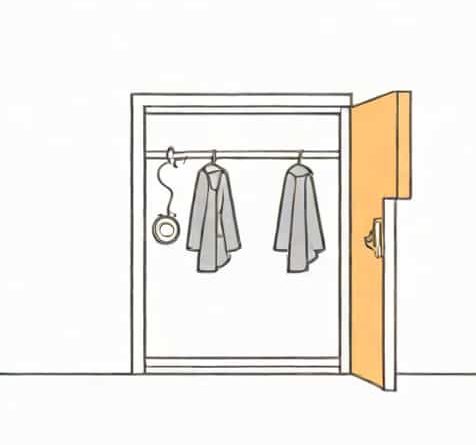
What Is Cloak Room
A cloak room is a designated space where individuals can temporarily store their outerwear, personal belongings, or accessories while attending an event, visiting a venue, or using public facilities. Commonly found in theaters, museums, airports, train stations, and conference centers, cloak rooms serve as convenient storage areas that help visitors move around freely without carrying bulky items. They not only offer security for personal possessions but also contribute to an organized and comfortable environment. Understanding cloak rooms involves exploring their history, purpose, features, operation, etiquette, and modern adaptations.
History of Cloak Rooms
The concept of a cloak room dates back centuries, originating in Europe during the Middle Ages when visitors to courts, palaces, or large social gatherings needed a place to store heavy cloaks, capes, or other outer garments. These spaces allowed attendees to enjoy events comfortably without the burden of cumbersome clothing. Over time, cloak rooms became an integral part of public buildings such as theaters, opera houses, and museums, providing a practical solution to manage visitors’ belongings. Their evolution reflects both social customs and the increasing complexity of public venues where large numbers of people congregate.
Purpose and Importance
Cloak rooms serve several essential purposes. First, they provide convenience, allowing guests to move freely without carrying coats, hats, bags, or umbrellas. This is particularly important in formal events, performances, or busy public places. Second, cloak rooms contribute to security by storing belongings in a supervised environment, reducing the risk of theft or loss. Third, they help maintain cleanliness and organization within a venue, preventing cluttered spaces and ensuring that visitors can navigate comfortably. For staff, cloak rooms simplify the management of personal items and facilitate a smoother visitor experience.
Features of Modern Cloak Rooms
Modern cloak rooms are designed to accommodate a variety of storage needs while ensuring security and efficiency. Key features often include
- Hangers and LockersFor coats, jackets, bags, and umbrellas, with secure locking mechanisms for added protection.
- Numbered Tickets or TagsIssued to visitors as proof of ownership, allowing for organized retrieval of items.
- Staff AssistancePersonnel to manage check-in and check-out, ensuring safety and accountability.
- Space ManagementShelving, racks, and designated areas to handle high volumes of items efficiently.
- Technology IntegrationSome cloak rooms now use digital systems for ticketing, tracking, and inventory management.
Types of Cloak Rooms
Cloak rooms can vary based on the type of venue and the services provided
- Theater and Performance Cloak RoomsDesigned for patrons attending plays, operas, or concerts, often staffed and equipped with hanging space for coats.
- Museum and Exhibition Cloak RoomsProvide secure storage for outerwear and sometimes backpacks, ensuring visitors can navigate exhibits comfortably.
- Airport and Train Station Cloak RoomsTypically more robust, offering short-term or long-term luggage storage with enhanced security features.
- Hotel and Conference Cloak RoomsOffer convenience for guests attending events, meetings, or social gatherings, sometimes integrated with valet services.
Operation and Management
The smooth operation of a cloak room relies on organization, staff training, and clear procedures. Visitors typically hand over their items to staff, receive a numbered ticket or tag, and retrieve their belongings by presenting the ticket. Staff must keep accurate records, manage space efficiently, and ensure the security of stored items. In larger venues, cloak rooms may operate multiple counters or use automated systems to streamline service. Policies regarding item size, prohibited objects, and storage duration are commonly implemented to maintain order and prevent disputes.
Etiquette and Best Practices
Visitors using a cloak room should follow basic etiquette to ensure a pleasant experience for everyone
- Present belongings in an organized manner to facilitate easy storage.
- Keep the issued ticket or tag safe for retrieving items.
- Follow venue guidelines regarding what can and cannot be stored.
- Be courteous to staff and other visitors when accessing the cloak room.
- Collect belongings promptly at the end of the event or visit.
Modern Adaptations and Technology
With advancements in technology, cloak rooms have evolved to incorporate digital solutions. Many venues now offer electronic ticketing, barcode scanning, and mobile apps to track items. Automated lockers with digital codes allow visitors to store and retrieve belongings independently, enhancing efficiency and reducing wait times. Security cameras, access controls, and real-time monitoring further improve the safety of stored items. These innovations reflect a shift toward more convenient, secure, and user-friendly cloak room experiences, meeting the expectations of modern visitors.
Benefits for Venues and Visitors
Cloak rooms provide numerous advantages
- Enhanced Visitor ExperienceGuests can enjoy events or exhibitions without carrying cumbersome items.
- Improved SafetyItems are stored securely, minimizing the risk of theft or accidents.
- Efficient Space ManagementPrevents clutter in public areas, ensuring smooth movement of visitors.
- Revenue OpportunitiesSome cloak rooms charge a nominal fee, generating additional income for venues.
- Professional ServiceStaffed cloak rooms provide assistance, adding a layer of convenience and customer care.
A cloak room is more than just a storage space; it is an essential facility that enhances comfort, security, and convenience for visitors across various venues. From theaters and museums to airports and hotels, cloak rooms have evolved to meet the needs of modern society, incorporating technology and professional management practices. By understanding the purpose, operation, and etiquette of cloak rooms, visitors can enjoy a seamless experience while venues benefit from improved organization and visitor satisfaction. The continued innovation in cloak room design and functionality ensures that these facilities remain a critical component of public and private spaces, contributing to efficient and enjoyable visits for everyone.
- Cloak rooms provide secure, temporary storage for outerwear, personal items, and accessories.
- They originated in Europe during the Middle Ages and became common in theaters, museums, and public venues.
- Modern cloak rooms include hangers, lockers, numbered tickets, and staff assistance.
- Technology integration, such as digital ticketing and automated lockers, has improved efficiency and security.
- Proper etiquette includes keeping tickets safe, following guidelines, and being courteous to staff.
- Benefits include enhanced visitor experience, improved safety, efficient space management, and potential revenue generation.
- Cloak rooms remain a vital facility in modern venues, supporting comfort, organization, and convenience.