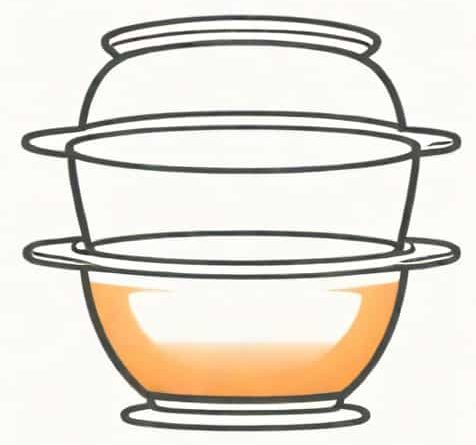
What Is Pyrex Glass
Pyrex glass is a type of borosilicate glass that has become widely recognized for its durability, heat resistance, and versatility in both household and laboratory applications. Since its introduction in the early 20th century, Pyrex has revolutionized the way people cook, bake, and handle scientific experiments, thanks to its ability to withstand sudden temperature changes without cracking or breaking. Its unique properties make it suitable for a wide range of uses, from ovenware and measuring cups in kitchens to beakers and test tubes in laboratories. Understanding Pyrex glass involves exploring its composition, history, advantages, applications, and care, highlighting why it remains a trusted material for both domestic and professional settings around the world.
Definition and Composition of Pyrex Glass
Pyrex glass is a type of borosilicate glass, meaning it contains silica and boron trioxide as its primary components. This combination creates a material that is resistant to thermal shock, meaning it can endure rapid changes in temperature without cracking. Standard Pyrex has a high silica content, which provides strength, while boron contributes to its ability to resist heat. Some variations of Pyrex, particularly those used in kitchenware, may be made from tempered soda-lime glass, which is also durable but slightly less resistant to extreme temperature fluctuations than borosilicate glass.
Key Properties of Pyrex Glass
The popularity of Pyrex glass is largely due to its distinctive properties, which make it suitable for a variety of tasks
- Heat ResistancePyrex can withstand high temperatures, making it ideal for ovenware, laboratory equipment, and stovetop use in some cases.
- Thermal Shock ResistanceIt can endure sudden temperature changes without shattering, which is crucial for baking, cooking, and scientific experiments.
- Chemical ResistancePyrex does not react easily with acids, alkalis, or other chemicals, which makes it reliable for laboratory applications and food preparation.
- DurabilityWhile not unbreakable, Pyrex is stronger and more resistant to scratches and impacts than ordinary glass.
- ClarityIts transparent nature allows easy monitoring of contents, whether in cooking or scientific observation.
History of Pyrex Glass
Pyrex glass was first developed by Corning Glass Works in 1915. Originally intended for laboratory use, the glass was designed to handle high heat and chemical reactions without breaking. In 1916, the first Pyrex kitchenware was introduced, starting with a clear pie plate. Its success was immediate, as homemakers appreciated its durability and ability to go directly from oven to table. Over time, the Pyrex brand expanded to include a wide range of products, from measuring cups to mixing bowls, while maintaining the same focus on quality and reliability.
Evolution of Pyrex Products
Initially, Pyrex kitchenware was made entirely from borosilicate glass, prized for its heat resistance. However, during the 1940s, production began to include tempered soda-lime glass in some regions, which offered similar strength at a lower cost. Today, Pyrex continues to innovate, offering products in both borosilicate and tempered glass versions, each tailored for specific purposes, such as laboratory use, baking, or food storage.
Applications of Pyrex Glass
Pyrex glass has diverse applications, spanning from kitchens to laboratories. Its versatility is a result of its heat resistance, clarity, and chemical stability.
1. Kitchen Use
In households, Pyrex is most commonly recognized for its use in baking dishes, measuring cups, mixing bowls, and storage containers. Home cooks appreciate its ability to move directly from oven to table without cracking, as well as its non-reactive surface, which ensures that foods maintain their intended flavors. Pyrex storage containers are also popular for reheating food in microwaves, thanks to their resistance to heat and ability to withstand rapid temperature changes.
2. Laboratory Applications
In scientific and medical laboratories, Pyrex is valued for its ability to handle chemicals, high temperatures, and sterilization processes. Beakers, test tubes, flasks, and other laboratory glassware made from Pyrex allow scientists to perform experiments safely and reliably. Its chemical resistance ensures that reactions occur without contamination or unwanted interactions with the container.
3. Industrial and Technical Uses
Pyrex glass is also used in specialized technical applications, such as telescope mirrors, high-intensity lighting, and electronic equipment. Its thermal stability and clarity make it an ideal material for equipment that requires precise optical performance or consistent heat resistance.
Advantages of Using Pyrex Glass
The continued popularity of Pyrex is due to several key advantages
- SafetyPyrex reduces the risk of accidents associated with glass shattering under high heat or rapid temperature changes.
- VersatilityIts ability to withstand heat, cold, and chemicals makes it suitable for multiple environments.
- LongevityProperly cared for, Pyrex glassware can last for decades without significant wear or damage.
- Ease of CleaningPyrex surfaces are smooth and non-porous, making them easy to clean and resistant to staining.
- Eco-FriendlyUnlike disposable containers, Pyrex is reusable, reducing waste and environmental impact.
Care and Maintenance of Pyrex Glass
To maximize the lifespan and safety of Pyrex glass, it is important to follow proper care and handling guidelines
- Avoid sudden temperature changes, such as transferring Pyrex from freezer to hot oven, unless specified as safe by the manufacturer.
- Do not use on stovetops or under direct flame unless the glassware is specifically designed for such use.
- Clean with warm soapy water or in a dishwasher; avoid abrasive cleaners that may scratch the surface.
- Inspect regularly for chips or cracks, as damaged glass can break unexpectedly.
- Store carefully to prevent impact or stacking that might lead to damage.
Pyrex glass remains a symbol of innovation in both household and scientific applications. Its unique properties, including heat resistance, thermal shock durability, chemical stability, and clarity, make it an indispensable material for cooking, baking, laboratory work, and industrial uses. From its introduction in the early 20th century to its widespread adoption today, Pyrex has transformed the way people approach both domestic and technical tasks. Proper care and handling ensure its longevity and continued reliability, making it a trusted choice for generations of users. Understanding Pyrex glass highlights the importance of materials science in everyday life and demonstrates how thoughtfully engineered glass can provide safety, functionality, and convenience across diverse applications.