What Is Sprightly Dance Class 7
In literature and English lessons, certain phrases often capture the imagination of students because they describe movement, energy, or emotion so vividly. One such phrase that appears in many English textbooks, including in class 7, is sprightly dance. It is a lively and cheerful expression that paints a picture of someone dancing with joy and enthusiasm. Understanding what a sprightly dance means helps students not only build their vocabulary but also appreciate how language can express mood and energy through simple words. Let’s explore what the term means, how it is used, and what it teaches about rhythm, liveliness, and human expression.
Meaning of Sprightly Dance
The word sprightly means full of life, energy, and enthusiasm. It is often used to describe a person or movement that is bright and lively. When combined with the word dance, the phrase sprightly dance refers to a type of dance that is energetic, cheerful, and full of movement. It is not a specific style of dance like the waltz or tango, but rather a description of how the dance feels or looks.
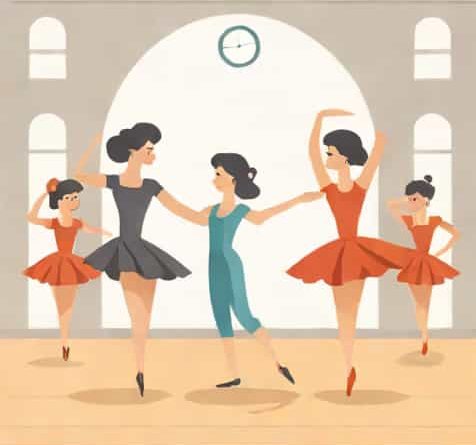
In simple terms, a sprightly dance is one that shows happiness and excitement. It may involve quick steps, light jumps, or expressive gestures that reflect joy. This kind of dance can be found in many cultures around the world, from traditional folk dances to modern celebrations, where the focus is on movement and enjoyment rather than strict technique.
Origin and Use of the Word Sprightly
The adjective sprightly comes from the Middle English word spiritly, which is related to the word spirit. In old usage, to be sprightly meant to be spirited, animated, or full of vitality. Over time, the spelling changed, but the meaning stayed the same. The term is often used in literature and poetry to describe lively movement or cheerful behavior.
For example, in classical poems or stories, a writer might describe a sprightly child, a sprightly tune, or a sprightly step. Each of these conveys a sense of lightness and joy. In the context of a sprightly dance, the word highlights how movement can express happiness through rhythm and motion.
Sprightly Dance in the Context of Class 7 English
In many class 7 English textbooks, the phrase sprightly dance appears in stories or poems that celebrate nature, culture, or emotions. It is often used to describe scenes where people, animals, or even elements of nature move with liveliness. For instance, a poet might write about leaves performing a sprightly dance in the wind, or a group of villagers dancing joyfully after harvest.
This imagery helps students understand how language brings scenes to life. By learning the meaning of words like sprightly, students can interpret the mood of a poem or story more deeply. It teaches that not all dances are formal or serious some are simply natural expressions of energy and joy.
Example from Literature
In poetry, personification often makes nature come alive. For example, when we read lines like The flowers swayed in a sprightly dance, it doesn’t mean that flowers literally dance. Instead, it suggests that the flowers moved lightly in the breeze, appearing cheerful and full of life. The phrase creates an image that connects movement with emotion, showing how language can turn ordinary actions into something vivid and beautiful.
Characteristics of a Sprightly Dance
To fully understand the meaning of sprightly dance, it helps to look at its main characteristics. This kind of dance is not just about steps; it’s about mood, rhythm, and expression. Below are a few qualities that define a sprightly dance
- Energetic MovementThe dancer moves with energy and enthusiasm, often with quick, light steps.
- Joyful ExpressionThe face and body convey happiness, laughter, or excitement.
- Light and Graceful MotionThe movements appear effortless, with a sense of rhythm that feels natural.
- Connection to MusicThe dancer responds to lively music, often in a way that reflects the beat and melody.
- SpontaneityA sprightly dance often feels spontaneous rather than choreographed it seems to come from the heart.
These elements together create a performance that feels alive and genuine. Even without words, the dance communicates feelings that everyone can understand.
Sprightly Dance and Culture
Different cultures have their own versions of sprightly dances. These dances often appear in celebrations, festivals, and ceremonies. The common theme among them is joy and togetherness. For example, in India, traditional folk dances like Garba, Bhangra, and Ghoomar are sprightly in nature they involve lively music, colorful costumes, and energetic movements. Similarly, in other parts of the world, Irish jigs, African tribal dances, and Latin American salsa all carry that same spirit of liveliness.
These cultural expressions show that dancing is a universal form of happiness. Whether it’s children dancing in a school performance or villagers celebrating a good harvest, sprightly dances bring people together through rhythm and joy. They are not just physical activities; they are ways of expressing emotions, traditions, and unity.
The Importance of Movement in Expression
The phrase sprightly dance teaches more than vocabulary it reveals how movement can reflect mood and personality. In literature, describing a dance as sprightly can help readers visualize a scene full of motion and emotion. In real life, movement and body language often communicate what words cannot. A sprightly dance can lift spirits, build confidence, and even tell stories without speaking a single word.
For students, this concept encourages creativity and expression. Whether through dance, drama, or storytelling, being sprightly means bringing energy and life into what you do. It’s about finding joy in movement and learning to express yourself confidently.
Why Students Should Learn About Sprightly Dance
In class 7, learning about expressions like sprightly dance helps students improve their descriptive writing and understanding of imagery. It also connects language learning with real-life creativity. Here are a few reasons why this concept is valuable in education
- It builds vocabulary and helps students describe actions vividly.
- It improves comprehension of poems and stories that use figurative language.
- It encourages appreciation for art, music, and dance as forms of communication.
- It inspires self-expression through body movement and creative performance.
By understanding the meaning behind such phrases, students can better analyze texts, create imagery in their own writing, and express emotions with confidence.
Examples of Sprightly Dance in Everyday Life
Sprightly dances are not limited to formal performances. They happen all around us, often in simple, joyful moments. For instance
- Children jumping and twirling to their favorite songs at home.
- Students performing a lively folk dance during a school event.
- People celebrating festivals or weddings with cheerful group dances.
- Even nature can be seen as performing a sprightly dance when leaves flutter or waves sparkle under sunlight.
These moments show that a sprightly dance can be spontaneous and natural. It reflects a state of happiness that everyone can relate to, no matter their age or culture.
Sprightly Dance as a Symbol
In many poems and stories, the sprightly dance symbolizes vitality, freedom, and the joy of being alive. It reminds readers that life itself can be like a dance sometimes fast, sometimes slow, but always in motion. The term encourages appreciation for simple pleasures and the beauty of expression through movement.
Writers often use this symbol to contrast sadness or stillness with liveliness. For example, when a poet describes the sprightly dance of spring leaves, it may represent renewal, growth, and the return of energy after winter. Thus, the phrase holds both literal and symbolic meaning, enriching literature with layers of emotion.
To answer the question, What is sprightly dance class 7? it refers to a lively, joyful form of movement described in literature and learning materials, emphasizing energy and enthusiasm. It is not a fixed dance style but a way to express happiness and rhythm through motion. Understanding this phrase teaches students how words can capture both physical movement and emotional expression. A sprightly dance reminds us that life, when lived with energy and spirit, can be as graceful and uplifting as a joyful dance. It celebrates vitality, creativity, and the beauty of being alive.