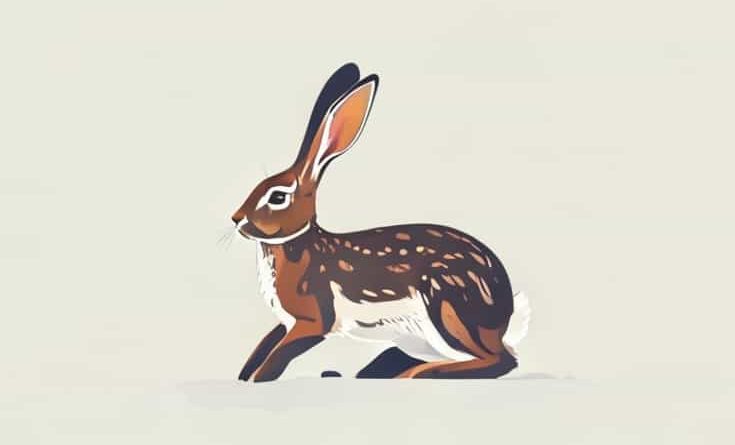
What Is The Habitat Of A Snowshoe Hare
The snowshoe hare is a fascinating species well-adapted to cold, northern environments. Known for its large hind feet and seasonal color changes, this hare is uniquely suited to survive in habitats with heavy snowfall and dense vegetation. Understanding the habitat of a snowshoe hare is essential to studying its behavior, reproduction, and survival strategies. Their environment plays a critical role in providing food, shelter, and protection from predators. By examining the geography, climate, vegetation, and ecological factors of snowshoe hare habitats, we can gain insight into how these animals thrive in some of the harshest regions of North America.
Geographic Range of Snowshoe Hares
Snowshoe hares are native to North America, with a distribution that covers much of Canada and parts of the northern United States. Their range extends from Alaska in the west, across Canada, and into New England, the northern Rockies, and the upper Midwest of the United States. They are particularly abundant in boreal forests, also known as taiga, which provide the dense vegetation and seasonal snow cover necessary for survival. Snowshoe hares are less common in open plains or heavily urbanized areas, as these environments lack the cover and food resources they require.
Climate and Environmental Conditions
The snowshoe hare’s habitat is defined by cold winters, moderate to heavy snowfall, and relatively short growing seasons. These environmental conditions shape the hare’s life cycle, from breeding patterns to seasonal fur changes. During winter, their white coat blends with the snow, providing camouflage from predators, while in the summer, their brown coat helps them blend with forest floors and vegetation. This seasonal adaptation highlights the importance of climate in determining the suitability of a habitat for snowshoe hares.
Types of Habitats
Snowshoe hares are versatile in their habitat preferences but generally favor areas with dense cover and abundant food sources. Several habitat types are particularly important for their survival
Boreal Forests
Boreal forests, or taiga, are the primary habitat for snowshoe hares. These forests are dominated by coniferous trees such as spruce, fir, and pine, interspersed with deciduous trees like aspen and birch. The dense understory provides hiding places from predators and shelters the hares from harsh winter winds. Snowshoe hares feed on twigs, bark, and buds from these trees, especially in winter when other food sources are scarce.
Mixed Woodlands
Mixed woodlands, which combine both deciduous and coniferous trees, also serve as a suitable habitat. The diversity of plant species offers varied food sources throughout the year, including leaves, grasses, and shrubs in the summer months. These habitats support higher population densities of hares because they offer both protection and abundant nutrition.
Swamps and Shrublands
Swampy areas and dense shrublands provide additional cover and feeding opportunities for snowshoe hares. Shrubs such as willow and alder are particularly important, as they offer both shelter and winter food sources. These areas also provide protection from predators like lynx, foxes, and owls, which rely on open spaces to hunt more efficiently.
Vegetation and Food Sources
The vegetation in a snowshoe hare’s habitat is crucial for its survival. Hares are herbivorous and feed on a variety of plant materials depending on the season. In the summer, they consume green leaves, grasses, herbs, and berries. In the winter, when snow covers the ground, they rely on woody plants, twigs, and bark. The presence of dense understory vegetation not only provides food but also helps hares remain hidden from predators.
Adaptations to Food Availability
Snowshoe hares have adapted to their habitats by developing efficient foraging strategies. They tend to feed near areas of cover, minimizing exposure to predators while accessing food. Their seasonal diet reflects the availability of plant resources in different habitats. For example, in boreal forests, spruce and fir buds are critical winter foods, whereas in mixed woodlands, deciduous leaves and berries are more readily available in summer.
Role of Snow and Cover in Habitat
Snowshoe hares rely heavily on snow and dense cover for survival. Their large hind feet allow them to move easily across snow, giving them an advantage over predators in winter. Snow also provides insulation and protection from extreme temperatures. Dense vegetation such as shrubs, fallen logs, and forest undergrowth offers hiding spots from predators and helps maintain population stability. Open areas without cover are less suitable because hares become more vulnerable to predation.
Interaction with Predators
The habitat of snowshoe hares is shaped by the presence of predators. Predators such as lynx, coyotes, foxes, and birds of prey exert significant pressure on hare populations. Hares prefer habitats with thick vegetation and complex terrain, which reduces visibility and provides escape routes. This predator-prey dynamic influences both habitat selection and population cycles, making dense forests and shrublands particularly vital for hare survival.
Seasonal Habitat Changes
Snowshoe hares often change their activity patterns and microhabitat use according to seasonal conditions. In the winter, they may remain closer to protective underbrush and rely on snow cover to evade predators. During the summer, they can venture further into open areas to access fresh vegetation. Seasonal changes in food availability, snow depth, and predator behavior all contribute to the hares’ habitat selection throughout the year.
Reproduction and Habitat
Reproduction in snowshoe hares is closely linked to habitat quality. Dense cover and abundant food sources increase the survival rate of both adults and offspring. Females select nesting sites that offer protection from predators and harsh weather. These choices highlight the importance of habitat structure in maintaining population health and reproductive success.
Conservation and Human Impact
Human activities, such as logging, urban development, and climate change, can significantly impact snowshoe hare habitats. Deforestation reduces the availability of cover and food, while climate change affects snow patterns and the timing of seasonal fur changes. Conservation efforts focus on preserving boreal and mixed forests, maintaining shrublands, and monitoring populations to ensure that snowshoe hares continue to thrive in their natural habitats.
Importance of Habitat Preservation
- Maintaining dense forest cover for protection from predators
- Preserving diverse vegetation to provide year-round food sources
- Monitoring climate changes that may disrupt seasonal adaptations
- Protecting wetlands and shrublands that offer additional resources
Preserving these habitats is essential not only for snowshoe hares but also for the broader ecosystems in which they live, as they play a key role in predator-prey dynamics and vegetation cycling.
The habitat of the snowshoe hare is a complex combination of boreal forests, mixed woodlands, swamps, and dense shrublands that provide food, shelter, and protection from predators. Seasonal changes, snow cover, vegetation, and predator presence all influence their habitat selection. Snowshoe hares are highly adapted to these environments, with specialized feet, seasonal fur color changes, and foraging behaviors that help them survive in harsh northern climates. Understanding and preserving these habitats is crucial for the survival of snowshoe hares and the ecological balance of the regions they inhabit. By studying the habitat and behavior of snowshoe hares, we gain a deeper appreciation for the intricate relationships between animals and their environment, highlighting the importance of conservation in maintaining biodiversity.