What Is The Meaning Of Ammeter
An ammeter is a fundamental instrument used to measure the flow of electric current in a circuit, playing a crucial role in both educational and professional electrical work. Understanding the meaning of ammeter involves examining its function, types, usage, and importance in electrical systems. This device allows engineers, students, and technicians to monitor current, troubleshoot circuits, and ensure electrical safety. By studying the concept of ammeters, one gains insight into basic electrical principles and the methods for measuring and controlling electrical current in practical applications.
The Definition of Ammeter
An ammeter is an electrical instrument designed specifically to measure the current flowing through a circuit. The term derives from the word ampere, which is the standard unit of electric current, and the suffix -meter, meaning a measuring device. An ammeter is connected in series with the component or circuit whose current is to be measured, allowing the current to pass through the device so it can provide an accurate reading. The primary purpose of an ammeter is to quantify electrical current in units such as amperes (A), milliamperes (mA), or microamperes (μA).
Key Characteristics of an Ammeter
The meaning and function of an ammeter can be better understood through its key characteristics
- Current MeasurementMeasures the flow of electric charge in a circuit.
- Series ConnectionMust be connected in series with the circuit element to accurately measure current.
- Low Internal ResistanceDesigned to have minimal resistance to avoid altering the current it measures.
- Analog or Digital DisplayProvides readings through a needle on a scale or a digital screen.
- Range of MeasurementDifferent ammeters can measure small or large currents depending on the application.
Types of Ammeters
Ammeters come in various types, each designed to meet specific measurement needs. Choosing the appropriate type depends on the magnitude of the current and the desired accuracy. Some common types include
Analog Ammeters
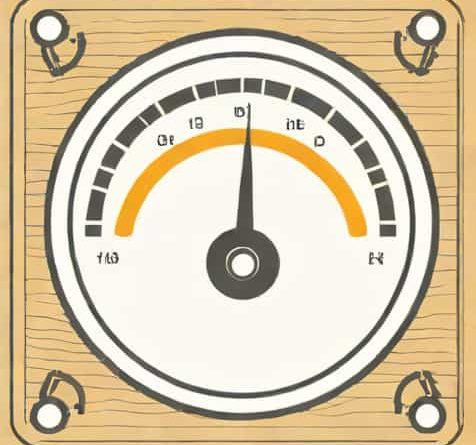
Analog ammeters use a needle and dial to indicate the current measurement. They operate on the principle of electromagnetic deflection, where the current passing through a coil produces a magnetic field that moves the needle. Analog ammeters are often used in educational settings and older electrical systems because they provide a visual representation of current changes.
Digital Ammeters
Digital ammeters use electronic circuits to measure current and display the value numerically on a digital screen. They are known for higher accuracy, better resolution, and easier reading compared to analog models. Digital ammeters are widely used in laboratories, industrial applications, and modern electronic devices.
Clamp Meters
A clamp meter is a specialized type of ammeter that measures current without direct contact with the circuit. It uses magnetic induction around a conductor to calculate current flow. Clamp meters are particularly useful for measuring high currents or for safe, non-intrusive measurements in live circuits.
How an Ammeter Works
The basic working principle of an ammeter is to allow the electric current to pass through it so that the device can detect the flow of charge and provide a reading. Analog ammeters typically use a moving coil that deflects in proportion to the current, while digital ammeters convert the current into a voltage that can be processed and displayed numerically. All ammeters are designed with very low internal resistance to ensure that they do not significantly affect the current they are measuring.
Using an Ammeter
To use an ammeter correctly, it must be connected in series with the circuit element whose current is to be measured. This ensures that the entire current flows through the ammeter, giving an accurate reading. Important precautions include
- Never connect an ammeter in parallel, as it can cause a short circuit and damage the device.
- Select the appropriate measurement range before connecting to the circuit.
- Ensure the circuit is turned off or current is within safe limits to prevent accidents.
Applications of Ammeters
Ammeters are used in various fields, from education and laboratories to industrial and household applications. Their primary function is to monitor and measure current for operational efficiency, safety, and troubleshooting. Some key applications include
Educational Use
In schools and universities, ammeters are used to teach students about electrical circuits, Ohm’s law, and the relationship between voltage, current, and resistance. Hands-on experiments with ammeters help learners understand electrical principles practically.
Industrial Applications
In industrial settings, ammeters monitor current in machinery, electrical panels, and manufacturing equipment. Measuring current ensures that devices operate within safe limits and helps prevent overloads and electrical failures.
Household and Electronics
Ammeters are used in electronic devices, renewable energy systems, and household electrical panels to monitor energy usage, detect faults, and maintain system efficiency. They are essential for maintaining safety and preventing electrical hazards.
Advantages of Using an Ammeter
Using an ammeter provides several benefits for electrical work, safety, and efficiency
- Accurate measurement of current flow in a circuit.
- Helps detect faults or abnormal current levels in electrical systems.
- Assists in designing and testing circuits for optimal performance.
- Provides visual or digital feedback for easy monitoring.
- Enhances safety by ensuring current stays within acceptable limits.
Precautions When Using an Ammeter
To ensure safety and accuracy, certain precautions must be taken when using an ammeter
- Always connect the ammeter in series, not parallel.
- Select the appropriate measurement range before use.
- Avoid exceeding the maximum current rating of the device.
- Handle analog ammeters carefully to prevent needle damage.
- Follow all manufacturer instructions and safety guidelines.
An ammeter is a vital instrument in electrical measurement, used to quantify current in circuits for educational, industrial, and household purposes. It operates by allowing current to flow through the device, either moving a needle on an analog scale or providing a digital reading. Ammeters can be analog, digital, or specialized clamp meters, each suited for different applications. Understanding the meaning and use of an ammeter is essential for anyone working with electrical systems, as it ensures accurate measurement, efficient operation, and safety. By monitoring electrical current, ammeters help prevent damage, improve system performance, and provide valuable insights into the functioning of circuits and devices.