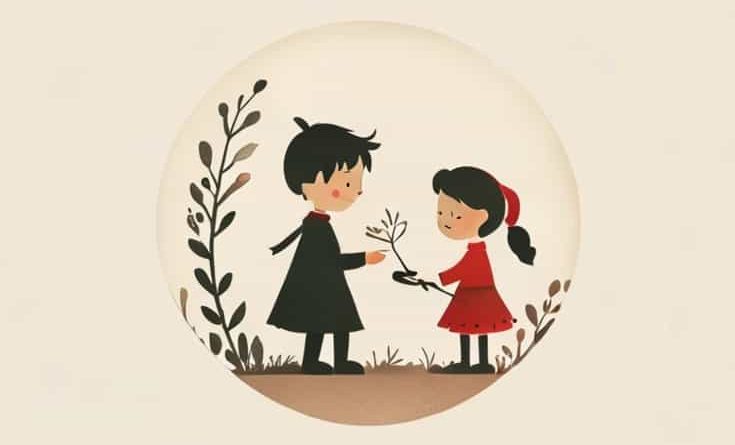
What Is The Story Of Hansel And Gretel
The story of Hansel and Gretel has been told for generations and continues to capture the imagination of readers around the world. Known for its dark atmosphere, memorable characters, and powerful moral lessons, this classic fairy tale explores themes of survival, family, fear, and cleverness. Originating from European oral traditions and later written down by the Brothers Grimm, Hansel and Gretel remains one of the most recognizable fairy tales in literary history, appealing to both children and adults.
The Origins of Hansel and Gretel
Hansel and Gretel is most commonly associated with the Brothers Grimm, who published the story in the early 19th century as part of their collection of German fairy tales. However, like many folk tales, its roots go back much further. The story evolved through oral storytelling traditions, reflecting the hardships faced by families in medieval Europe, including poverty, famine, and the fear of abandonment.
The setting and events of the tale mirror real historical struggles, which may explain why the story feels so emotionally intense and realistic despite its fantastical elements.
Introducing the Main Characters
The story centers on two siblings, Hansel and Gretel, who live with their father and stepmother near a forest. The family is very poor and struggles to find enough food to survive. While the father is loving but weak-willed, the stepmother is portrayed as harsh and selfish, driven by fear of starvation.
Hansel is clever and resourceful, often taking the lead in trying to protect his sister. Gretel, though initially seen as more innocent and vulnerable, proves to be brave and quick-thinking when it matters most.
The Parents’ Decision
Faced with extreme hunger, the stepmother convinces the father to abandon the children in the forest. She believes this is the only way for the adults to survive. Although the father feels guilty, he eventually agrees, setting the main conflict of the story in motion.
The Journey into the Forest
Hansel overhears the plan and prepares by collecting white pebbles. When the children are led into the forest and left behind, Hansel drops the pebbles along the way. These stones shine in the moonlight, allowing Hansel and Gretel to find their way home.
This moment highlights Hansel’s intelligence and foresight, showing that even children can outthink adults when faced with danger.
A Second Attempt
Despite their return, the family’s situation does not improve. Once again, the stepmother insists that the children must be abandoned. This time, Hansel is unable to collect pebbles and instead uses breadcrumbs to mark the path.
Unfortunately, birds eat the breadcrumbs, and Hansel and Gretel become truly lost in the forest, wandering for days without food or shelter.
The Candy House in the Woods
Exhausted and starving, the children stumble upon a house made entirely of food. The walls are cake, the roof is pastry, and the windows are sugar. Overwhelmed by hunger, they begin to eat the house.
This magical image is one of the most famous elements of the Hansel and Gretel story, symbolizing temptation and false security.
Meeting the Witch
The house belongs to an old woman who appears kind and welcoming at first. She invites the children inside and offers them food and beds. However, she is actually a wicked witch who lures children to her home so she can eat them.
The witch captures Hansel and locks him in a cage, planning to fatten him up. Gretel is forced to work as a servant, cooking and cleaning while waiting for the witch’s next move.
Outsmarting the Witch
The witch checks Hansel’s finger daily to see if he has gained weight. Hansel tricks her by offering a thin bone instead of his finger, making it seem as though he is still too skinny to eat. This deception buys the children time.
Eventually, the witch grows impatient and decides to cook Hansel regardless. She orders Gretel to prepare the oven.
Gretel’s Moment of Courage
In a crucial moment, Gretel pretends she does not understand how to check the oven. When the witch leans inside to demonstrate, Gretel pushes her into the oven and slams the door shut.
This act marks a turning point in the story. Gretel transforms from a frightened child into a hero who saves both herself and her brother.
Escape and Return Home
After defeating the witch, Hansel and Gretel search the house and find treasures, including gold and jewels. These riches represent a reversal of their earlier poverty and suffering.
The children find their way out of the forest and return home. By this time, the stepmother has died, and their father welcomes them with joy and regret for his past actions.
The Moral Lessons of Hansel and Gretel
The story of Hansel and Gretel contains multiple moral lessons that have contributed to its lasting popularity.
- Cleverness and bravery can overcome great danger
- Greed and cruelty often lead to downfall
- Family bonds can provide strength in difficult times
The tale also serves as a warning about trusting strangers and the dangers hidden behind tempting appearances.
Symbolism in the Story
Many elements of Hansel and Gretel are symbolic. The forest represents the unknown and the dangers of the world. The candy house symbolizes temptation and false comfort. The witch embodies hidden evil disguised as kindness.
These symbols allow the story to resonate on a deeper level, making it meaningful beyond its surface narrative.
Why Hansel and Gretel Endures
Hansel and Gretel has endured because it addresses universal fears and emotions, such as abandonment, hunger, and survival. At the same time, it offers hope by showing that intelligence, cooperation, and courage can lead to victory.
Adaptations of the story continue to appear in books, films, theater, and popular culture, each reinterpreting the tale for new audiences.
The story of Hansel and Gretel is more than a simple fairy tale. It is a powerful narrative shaped by historical hardship, rich symbolism, and timeless themes. Through the journey of two children facing betrayal, danger, and fear, the story highlights resilience and cleverness in the face of overwhelming odds. Its continued relevance shows that even the darkest fairy tales can carry messages of hope, strength, and survival that remain meaningful across generations.