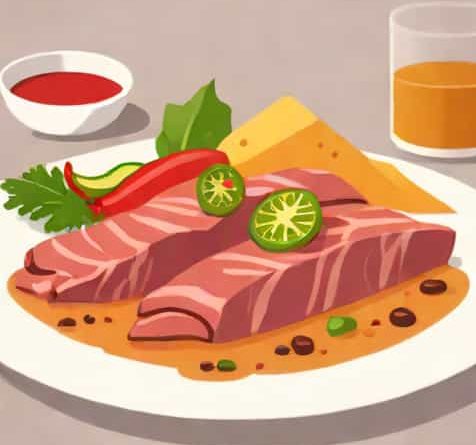
What Kind Of Steak For Fajitas
If you want to make flavorful and tender fajitas at home, choosing the right steak is one of the most important steps. The cut of beef you select will determine how juicy, tender, and tasty your fajitas turn out. Many people assume that any steak works, but fajitas have their own unique requirements because they rely on marinating, high-heat cooking, and thin slicing. Understanding what kind of steak for fajitas delivers the best results can transform your meal from average to impressive.
The Classic Cut for Authentic Fajitas
Traditionally, fajitas were made using skirt steak. This cut comes from the plate section of the cow and has long, loose muscle fibers that absorb marinade beautifully. Skirt steak offers a rich, beefy flavor and a texture that becomes tender when cooked quickly over high heat and sliced thinly against the grain.
Because of its strong flavor and ability to stay juicy, skirt steak remains the top choice for many chefs and home cooks. When cooked properly, it becomes incredibly flavorful without being tough.
Flank Steak as a Popular Alternative
Flank steak is another excellent option when deciding what kind of steak for fajitas. This cut comes from the abdominal muscles of the cow and is slightly leaner than skirt steak. It has a firm texture, but with proper marinating and thin slicing, it becomes tender and flavorful.
Flank steak has a clean, beefy taste and a beautiful grain pattern that makes it visually appealing when sliced. While it can be a bit chewier than skirt steak, many people prefer its leaner profile.
Other Cuts You Can Use for Fajitas
If skirt or flank steak isn’t available, there are still several good options you can rely on. These cuts may not be as traditional, but they can taste delicious with the right preparation.
Hanger Steak
Known for its deep flavor, hanger steak is a tender cut that works well for fajitas. It takes well to marinades and cooks quickly, making it a strong substitute. Because hanger steak has a looser structure, slicing against the grain is essential to maintain tenderness.
Sirloin Steak
Sirloin is widely available and often more affordable. Top sirloin, in particular, is tender enough for fajitas and has a mild yet satisfying flavor. It may not be as intensely beefy as skirt or flank, but it delivers consistent results.
Ribeye (For a Richer Option)
Ribeye is not a traditional fajita cut, but it can create luxurious, ultra-tender fajitas due to its marbling. The fat enhances flavor and keeps the meat juicy. However, ribeye cooks and slices differently, so it works better for fusion-style fajitas rather than classic ones.
What Makes a Good Steak for Fajitas?
The best steak for fajitas shares a few key characteristics. Understanding these qualities helps you choose the right cut even if you’re experimenting or working with what you have at home.
- Visible grain that allows for thin slicing against the grain
- Good ability to absorb marinades
- Strong, beefy flavor that matches bold seasonings
- Muscle fiber structure that becomes tender with high-heat cooking
- Minimal thickness so the meat cooks quickly and evenly
Skirt steak, flank steak, and hanger steak all meet these requirements well, which is why they remain the most recommended options.
Why Marinating Matters
Because many fajita cuts have pronounced muscle fibers, marinating helps tenderize the meat and infuse it with flavor. A good fajita marinade typically includes an acid like lime juice or vinegar, oil, and spices such as garlic, cumin, chili powder, and oregano. The acid helps break down the muscle fibers, the oil helps transport flavor, and the spices create the signature fajita profile.
Let your steak marinate for at least one hour, although four hours or more delivers deeper flavor. Avoid marinating overnight if your marinade contains strong acids, as it may make the texture mushy.
How to Cook Steak for Fajitas
Once you’ve chosen what kind of steak for fajitas works best for your meal, the cooking method plays a major role in the final result. High heat is essential for achieving the right texture and flavor. Traditional fajitas were cooked over an open flame, which gives the meat a smoky, charred exterior while keeping the inside juicy.
Grilling
Grilling remains the best method for cooking fajita steak. The high temperature creates a delicious sear while preserving tenderness. Skirt steak in particular benefits from quick grilling because it’s a thin cut.
Cast-Iron Skillet
If grilling isn’t possible, a cast-iron skillet is the next best option. It heats evenly and can reach high temperatures, perfect for searing beef. Adding bell peppers and onions to the pan after cooking the steak creates a flavorful base for serving.
Broiling
Broiling in the oven can also work if you need an indoor alternative. Keep the steak close to the heat source and cook briefly on each side to prevent overcooking.
The Importance of Slicing Against the Grain
Even the perfect steak cut can become tough if sliced incorrectly. After cooking, let the meat rest for several minutes, then slice thinly against the grain. This technique shortens the muscle fibers, leading to a more tender bite. With cuts like skirt and flank, slicing properly makes a noticeable difference.
Flavor Pairings That Enhance Steak Fajitas
Once you’ve chosen your steak, consider the ingredients that elevate steak fajitas even more. Traditional fajitas rely on bright, smoky, and savory flavors that complement the beef’s natural richness.
- Sautéed bell peppers and onions
- Lime wedges for squeezing over the meat
- Cilantro for freshness
- Warm flour or corn tortillas
- Salsa, pico de gallo, or chimichurri
- Avocado or guacamole
These additions help balance the flavor and create a complete fajita experience.
Skirt vs. Flank Which Should You Choose?
If you’re deciding between skirt steak and flank steak, consider what matters most to you. Skirt steak offers a stronger beef flavor and softer texture when cooked properly. It absorbs marinades quickly and cooks in minutes. Flank steak is leaner, slightly firmer, and often easier to find at grocery stores. Both make excellent fajitas, but skirt steak is usually the top choice for a more authentic texture and flavor.
Tips for Choosing Steak at the Store
When shopping for the best steak for fajitas, keep a few tips in mind to ensure quality. Look for bright red meat with even marbling, especially if you’re choosing cuts like skirt or hanger steak. Avoid pieces with excessive fat on the exterior, as they can cause flare-ups during cooking. If buying flank steak, choose a piece with uniform thickness so it cooks evenly.
Selecting what kind of steak for fajitas works best depends on availability, flavor preference, and budget. Skirt steak remains the classic and most flavorful choice, while flank steak offers a lean and reliable alternative. Cuts like hanger steak and sirloin also deliver delicious results when prepared correctly. With the right steak, a good marinade, high-heat cooking, and proper slicing, you can create tender, juicy fajitas packed with authentic flavor.