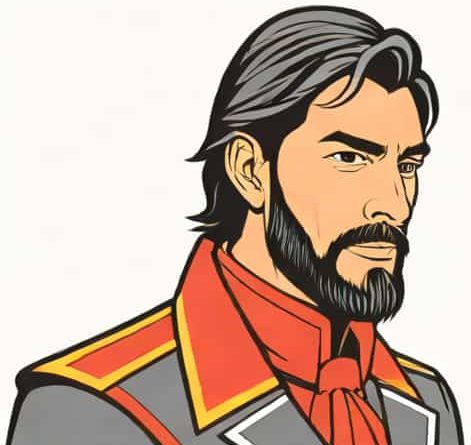
Who Is Seneca Crane
Seneca Crane is a fictional character from Suzanne Collins’ acclaimed Hunger Games series, notably appearing in the first book and film adaptation. As the Head Gamemaker of the 74th Hunger Games, Crane is responsible for designing the arena and orchestrating the deadly challenges faced by the tributes. Though his screen time is limited, his role is pivotal in establishing the tension, stakes, and high-stakes political dynamics of Panem. The character of Seneca Crane exemplifies the moral ambiguities, pressure, and corruption present in the Capitol, and his actions serve as a catalyst for the events that unfold throughout the series.
Role in the Hunger Games
As Head Gamemaker, Seneca Crane holds the authority to control every aspect of the Hunger Games arena, from the environment to the obstacles that the tributes encounter. His role requires a mix of creativity, strategy, and ruthlessness, as he must balance entertaining the Capitol audience while ensuring that the Games maintain their deadly seriousness. Crane’s decisions directly affect the tributes’ survival, making him a central figure in the unfolding drama. In the 74th Hunger Games, his management of the arena demonstrates both innovation and moral compromise, reflecting the pressures inherent in his position.
Character Traits and Personality
Seneca Crane is depicted as intelligent, calculating, and somewhat detached. While he possesses a sharp mind for strategy, he is also subject to the political demands and expectations of the Capitol. Crane’s personality reflects a man caught between his professional duties and the fear of failure in a society that rewards cruelty and punishes hesitation. Though he shows some subtle empathy for the tributes, his role requires that he prioritize spectacle over compassion, highlighting the moral tension within his character.
- Intelligent and Strategic Crane’s position demands careful planning and creativity in designing the arena challenges.
- Politically Vulnerable Despite his skill, he is constantly at risk of falling out of favor with the Capitol’s authorities.
- Detached Yet Thoughtful While he carries out deadly tasks, Crane occasionally displays a recognition of the human cost involved.
Key Events Involving Seneca Crane
In the 74th Hunger Games, Seneca Crane’s approach to the arena design subtly challenges the Capitol’s norms. One notable decision is allowing Katniss Everdeen and Peeta Mellark, the tributes from District 12, to survive together temporarily, leading to a controversial outcome that the Capitol perceives as undermining the intended purpose of the Games. This act of deviation, while small, is significant, as it demonstrates both Crane’s innovative thinking and his underestimation of Capitol expectations. His actions ultimately lead to severe consequences, reflecting the dangers of operating in a highly authoritarian system.
Consequences and Fate
Crane’s leniency and creative decisions during the 74th Hunger Games are not without repercussions. President Snow perceives his choices, particularly the survival of two tributes from the same district, as a failure to maintain order and control, which could potentially inspire rebellion. As a result, Seneca Crane is executed, and his head is displayed in a manner that serves as a warning to other Gamemakers and Capitol officials. This outcome highlights the brutal nature of the Capitol and the precariousness of positions of power within such a rigid and oppressive regime.
Symbolism and Thematic Significance
Seneca Crane embodies several key themes in the Hunger Games series, including the moral compromises required by authoritarian systems, the tension between individual ethics and societal demands, and the corruption inherent in power structures. His character demonstrates that even those tasked with creating entertainment for the Capitol must navigate ethical dilemmas, and that small acts of humanity can carry significant risk. Crane’s ultimate fate serves as a commentary on the consequences of challenging or deviating from the rules in a totalitarian society.
Portrayal in the Film Adaptation
In the 2012 film adaptation of The Hunger Games, Seneca Crane is portrayed by actor Wes Bentley. Bentley’s performance captures Crane’s composed yet subtly conflicted demeanor, conveying both the intelligence and vulnerability of a man navigating an ethically fraught and politically dangerous position. The portrayal emphasizes the pressures of Crane’s role and the tension between his professional duties and the human cost of the Games, bringing depth to a character who, though secondary, is crucial to the narrative.
Impact on the Story and Other Characters
Seneca Crane’s role as Head Gamemaker has lasting implications for the series. His decisions directly influence Katniss Everdeen’s initial success and survival, shaping her development as a central character. Additionally, his execution foreshadows the consequences faced by those who fail or dissent within the Capitol, heightening the stakes for other characters in subsequent Hunger Games installments. Crane’s presence underscores the series’ exploration of power, manipulation, and the complex interplay between authority and morality.
Legacy of the Character
While Seneca Crane is a supporting character, his role is significant in shaping the tone and stakes of the Hunger Games. His actions, decisions, and ultimate fate highlight the oppressive nature of the Capitol and serve as a narrative device to reinforce the risks faced by both tributes and officials. Crane is remembered as a character who embodies the tension between creativity and morality, and whose story adds depth to the larger commentary on power, control, and human ethics within the Hunger Games universe.
Seneca Crane is a compelling character whose intelligence, moral tension, and ultimate fate illustrate the dangers and ethical complexities of working within an authoritarian regime. As the Head Gamemaker of the 74th Hunger Games, he plays a crucial role in shaping the events that define the series’ narrative. Through his character, readers and viewers gain insight into the pressures faced by individuals in positions of authority and the consequences of small acts of deviation within a rigid and oppressive society. Seneca Crane remains an essential figure in the Hunger Games, highlighting the intersection of power, creativity, and morality.