Who Wrote The Aeneid
The Aeneid is one of the most influential epic poems in Western literature, shaping the way stories of heroism, destiny, and the founding of nations have been told for centuries. Written in Latin, it tells the story of Aeneas, a Trojan hero who survives the fall of Troy and embarks on a perilous journey to Italy, where he lays the groundwork for what would eventually become Rome. The poem not only recounts adventure and war but also explores themes of duty, piety, and fate. Its enduring appeal lies in the combination of rich storytelling, complex characters, and moral lessons that remain relevant even today.
The Author of the Aeneid
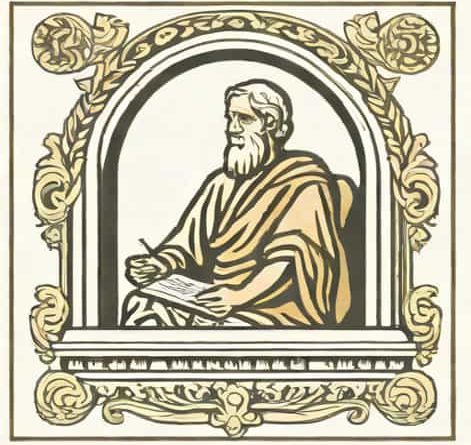
The Aeneid was written by the Roman poet Virgil, also known as Publius Vergilius Maro. Born in 70 BCE in a village near Mantua in northern Italy, Virgil became one of the most celebrated poets of ancient Rome. His works are notable for their elegance, meticulous structure, and ability to convey deep philosophical and emotional insights. Virgil lived during the time of Augustus, the first Roman emperor, and his writing often reflects the political and social transformations taking place in Rome during this period.
Virgil’s Early Life and Education
Virgil was born into a modest family, which allowed him access to education that was typical for young Roman men of his social standing. He studied rhetoric, grammar, and literature, immersing himself in Greek and Roman literary traditions. His early exposure to works like Homer’s Iliad and Odyssey heavily influenced his later writing. While much of his early life remains shrouded in mystery, scholars believe that his deep knowledge of agriculture, philosophy, and Roman history shaped his worldview and poetic style.
The Context of Writing the Aeneid
Virgil began composing the Aeneid around 29 BCE and worked on it for over a decade. The poem was commissioned during the reign of Augustus, who sought to glorify Rome’s origins and promote a sense of unity and pride among the Roman people. The Aeneid serves both as a literary masterpiece and a political statement, emphasizing Rome’s divine destiny and the role of Augustus in establishing peace and order. Virgil intended the poem to inspire moral values such as duty, loyalty, and respect for the gods, which were central to Roman identity.
The Structure and Themes of the Aeneid
The Aeneid is divided into twelve books, each exploring different stages of Aeneas’s journey. The first six books focus on Aeneas’s travels after the fall of Troy, detailing his encounters with gods, monsters, and foreign kingdoms. The second half of the poem centers on the wars in Italy and Aeneas’s efforts to fulfill his destiny. The poem is renowned for its vivid imagery, complex characters, and deep exploration of themes such as fate, heroism, and divine intervention.
- Fate and DestinyAeneas’s journey is guided by fate, showing how individuals are part of a larger cosmic plan.
- Piety and DutyAeneas is often called pious Aeneas, highlighting his commitment to family, country, and the gods.
- War and PeaceThe poem contrasts the chaos of war with the ideal of Roman order and civilization.
- Love and SacrificeAeneas’s personal desires often conflict with his duty, showing the tension between emotion and responsibility.
Virgil’s Literary Techniques
Virgil’s mastery of language and poetic form is evident throughout the Aeneid. He employs dactylic hexameter, a rhythmic structure common in epic poetry, which gives the poem a musical quality when read aloud. Virgil also uses vivid similes, elaborate metaphors, and detailed descriptions to create a sense of realism and grandeur. His characters are psychologically complex, and his narrative techniques, including foreshadowing and dramatic tension, make the story compelling for readers even today.
Influence of Greek Literature
The Aeneid is heavily influenced by Greek epics, particularly Homer’s Iliad and Odyssey. Virgil borrowed narrative structures, character archetypes, and epic conventions, adapting them to a Roman context. While Homer’s works focus on individual heroism and adventure, Virgil emphasizes the broader implications of Aeneas’s actions for the future of Rome. This blending of Greek inspiration with Roman ideology is a key reason the Aeneid became a foundational text for Roman literature and identity.
The Legacy of Virgil and the Aeneid
Virgil’s influence extends far beyond ancient Rome. During the Middle Ages and the Renaissance, the Aeneid was studied and revered by scholars, poets, and statesmen. Its themes of duty, leadership, and the relationship between humans and the divine resonated with audiences across centuries. Virgil also became a symbol of literary excellence, and his works influenced writers such as Dante, Milton, and Goethe. Today, the Aeneid remains a central text in the study of classical literature and continues to inspire adaptations in various artistic forms.
Virgil’s Death and Posthumous Fame
Virgil died in 19 BCE, before completing the final revisions of the Aeneid. According to historical accounts, he wished for the manuscript to be destroyed, feeling it was imperfect. However, Augustus intervened and ordered that the poem be preserved. This decision ensured that the Aeneid would survive for future generations, allowing Virgil’s literary genius to endure. Today, his work is celebrated not only for its storytelling but also for its profound insights into human nature and the founding myths of Rome.
Virgil, the author of the Aeneid, created a work that transcends time and culture. His epic poem combines adventure, history, and moral reflection, offering readers a window into the values and beliefs of ancient Rome. Through Aeneas’s journey, Virgil explores universal themes of duty, destiny, and sacrifice, making the Aeneid a cornerstone of classical literature. The poem’s enduring influence reflects both the skill of its author and the timeless appeal of its story, securing Virgil’s place as one of the greatest poets in history.
In studying the Aeneid, readers gain insight not only into the life and times of Virgil but also into the enduring power of literature to shape cultural identity and moral understanding. The poem remains a testament to the creativity, intellect, and vision of a poet who could capture the spirit of an empire in verse, ensuring that Virgil’s legacy would resonate for millennia.