Why Is A 13 Knot Noose Illegal
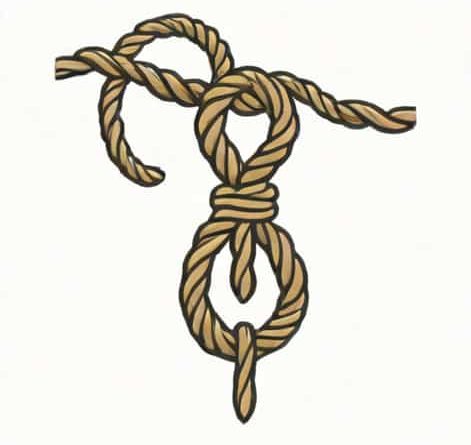
The topic of why a 13 knot noose is illegal may seem unusual at first, but it involves serious legal and safety considerations. A 13 knot noose refers to a type of knot historically associated with hangings and executions, often recognized for its ability to tighten under weight and hold securely. In modern contexts, such nooses are heavily regulated or outright banned because of their potential use in committing suicide, homicide, or other violent acts. Understanding the legal, historical, and social reasons behind the illegality of such knots is crucial to fully grasp the dangers and implications surrounding them. This topic explores why a 13 knot noose is illegal, including historical usage, safety risks, and contemporary legal perspectives.
Historical Context of the 13 Knot Noose
The 13 knot noose has deep historical associations with execution methods, particularly hanging. In many cultures, hangings were used as a form of capital punishment. The knot’s design, with multiple loops or coils, allowed it to tighten under the weight of a person, causing rapid death by strangulation or neck fracture. Over centuries, the 13 knot noose became a recognizable symbol of punishment and intimidation, particularly in contexts of public execution or vigilante justice. These historical associations contribute to modern concerns about the knot’s potential for misuse.
Association with Violence and Intimidation
Beyond its role in historical executions, the 13 knot noose has also been used symbolically to threaten, intimidate, or terrorize individuals and groups. In particular, it has been recognized as a tool of racial intimidation in some regions, used to threaten minority communities. This symbolic use has reinforced its perception as a dangerous and socially unacceptable object. Laws surrounding such knots are often influenced by these historical and cultural factors, aiming to prevent both physical harm and psychological intimidation.
Safety Risks of the 13 Knot Noose
The construction of a 13 knot noose makes it inherently dangerous. Unlike regular knots, this noose tightens progressively under tension, which can cause severe injury or death if used improperly. Even in contexts where individuals might use it for non-lethal purposes, the risk of accidental strangulation or other injuries is high. Because of these safety risks, authorities have deemed the possession and use of such nooses illegal or highly restricted in many regions.
Potential for Suicide or Self-Harm
One of the primary reasons the 13 knot noose is illegal is its potential use in suicide or self-harm. Mental health experts and legal authorities recognize that providing access to such tools increases the likelihood of fatal outcomes. Laws restricting these knots are intended to reduce the availability of high-risk items that could facilitate self-injury or suicide, especially among vulnerable populations. In this way, legality is tied to public health and safety considerations.
Potential for Criminal Use
Besides self-harm, the 13 knot noose poses a threat when used in criminal activity. Its design makes it suitable for restraining or harming others, which is why possession can be considered preparation for a violent act. Legal systems in many countries classify items with a high potential for criminal misuse as restricted or illegal, and the 13 knot noose falls into this category. Enforcement of such laws aims to prevent violent crimes before they occur.
Legal Perspectives on Noose Ownership
Laws regarding the 13 knot noose vary by jurisdiction but generally prohibit its use in harmful or threatening ways. In the United States, for example, nooses are often considered weapons or tools of intimidation under hate crime statutes, particularly if displayed to threaten specific individuals or groups. In other countries, possession of highly dangerous knots may fall under weapons or public safety regulations. The illegality focuses not only on physical risk but also on the potential psychological and social impact.
Symbolism and Hate Crime Laws
The 13 knot noose is closely associated with hate symbols, especially in contexts of racial intimidation. Many jurisdictions have laws that specifically make the display, manufacture, or use of nooses in a threatening context illegal. These laws aim to protect communities from intimidation, harassment, and the psychological trauma associated with historically violent acts. Consequently, the illegality is as much about social protection as it is about preventing physical harm.
Possession and Distribution Regulations
Legal restrictions on the 13 knot noose also cover possession and distribution. Individuals found manufacturing, selling, or distributing such nooses without legitimate purpose can face criminal charges. This includes online sales or public displays. Lawmakers consider both the direct physical danger and the symbolic threat when enforcing these regulations, ensuring that the noose does not serve as a tool for harm or intimidation.
Educational and Awareness Efforts
Because of the risks associated with the 13 knot noose, many governments and organizations focus on education and awareness. Schools, community programs, and mental health organizations often highlight the dangers of such knots, both as potential tools for self-harm and as instruments of intimidation. By educating the public about the historical context, physical danger, and legal ramifications, authorities hope to reduce incidents involving these objects.
Mental Health Initiatives
Programs addressing suicide prevention frequently mention high-risk objects like nooses. By restricting access and providing education, these initiatives aim to lower the likelihood of fatal outcomes. Mental health hotlines, counseling services, and community awareness campaigns all emphasize that items such as the 13 knot noose are not safe for any personal use.
Community Protection Programs
Communities impacted by hate crimes or intimidation also benefit from restrictions on noose possession. Local law enforcement and community groups use these laws to prevent incidents of intimidation, bullying, or racial harassment. Removing access to such historically violent symbols helps reduce fear and tension within vulnerable populations, reinforcing social safety and cohesion.
The 13 knot noose is illegal primarily due to its association with severe physical harm, historical use in executions, and role as a symbol of intimidation and hate. Its construction makes it highly dangerous, capable of causing death or serious injury if misused. Legal regulations target both the physical and psychological risks, ensuring that these items are not accessible for self-harm, criminal activity, or intimidation. Educational programs and mental health initiatives reinforce the need to prevent access and highlight the dangers of this object. Understanding why a 13 knot noose is illegal requires recognizing its historical context, symbolic significance, and the real safety threats it poses to individuals and communities. By addressing these factors through law, education, and community awareness, authorities aim to prevent harm and protect public safety.