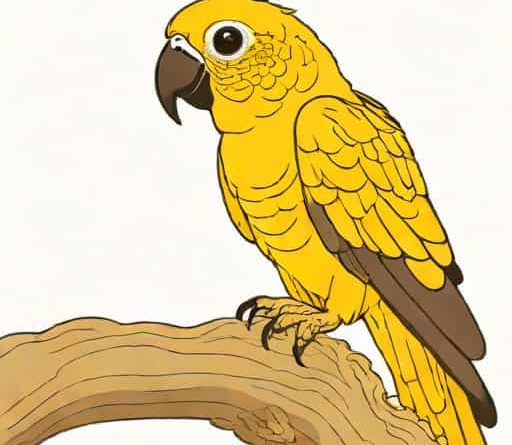
Yellow Dusky Conure
The yellow dusky conure is a vibrant and captivating bird species that has gained popularity among parrot enthusiasts and bird lovers around the world. Known for its striking yellow plumage combined with subtle dusky or gray tones, this conure is a beautiful example of nature’s diversity and complexity. Native to parts of South America, the yellow dusky conure thrives in tropical and subtropical habitats, where it can be found in forests, woodlands, and savannas. Its playful personality, intelligence, and social behavior make it a favorite as a companion bird, while its natural beauty draws attention in avian exhibitions and breeding programs. Understanding the yellow dusky conure involves exploring its physical characteristics, behavior, diet, habitat, and care requirements.
Physical Characteristics
The yellow dusky conure is medium-sized, typically measuring between 10 and 12 inches in length from beak to tail. Its most distinctive feature is the bright yellow coloration that covers much of its body, contrasted with dusky gray or olive tones on the wings, back, and tail feathers. The bird’s head often displays a slightly darker mask around the eyes and beak, giving it a unique and expressive appearance. Its beak is strong and curved, suitable for cracking seeds and foraging, while its zygodactyl feet allow for excellent climbing and grasping abilities. The combination of bright yellow and dusky markings makes this conure visually striking and easily recognizable.
Color Patterns and Variations
- Bright yellow body feathers with subtle dusky gray or olive tones.
- Darker facial mask around the eyes and beak for a distinctive look.
- Varying tail feather shades, sometimes showing hints of green or blue.
- Orange or red accents around the wings or under-tail coverts in some individuals.
- Sexual dimorphism is minimal, making males and females similar in appearance.
Behavior and Temperament
The yellow dusky conure is highly social and intelligent, making it an engaging companion for bird enthusiasts. In the wild, these conures live in flocks and exhibit strong social bonds, often engaging in grooming, vocalizations, and coordinated flight patterns. As pets, they thrive on interaction with their human caretakers and enjoy playtime, mental stimulation, and learning new tricks. Their playful and curious nature can sometimes lead to mischievous behavior, such as exploring cages or chewing on toys, so providing appropriate enrichment is essential.
Personality Traits
- Social Enjoys companionship from humans or other birds.
- Intelligent Capable of learning tricks, mimicking sounds, and problem-solving.
- Playful Loves toys, climbing structures, and interactive activities.
- Vocal Communicates with chirps, squawks, and occasional mimicry.
- Curious Explores surroundings and investigates objects thoroughly.
Diet and Nutrition
In the wild, yellow dusky conures feed on a varied diet of seeds, fruits, berries, nuts, and occasionally flowers or insects. A balanced diet is crucial for maintaining health, vitality, and feather quality. In captivity, providing a mix of high-quality commercial pellets, fresh fruits, and vegetables ensures proper nutrition. Offering occasional nuts and seeds as treats promotes mental stimulation and supports natural foraging behaviors. Caretakers must avoid foods that are toxic to birds, such as avocado, chocolate, caffeine, or foods high in salt or sugar.
Dietary Recommendations
- Commercial pellets formulated for conures for essential vitamins and minerals.
- Fresh fruits like apples, berries, bananas, and mangoes for natural sweetness.
- Vegetables including carrots, spinach, kale, and bell peppers for fiber and nutrients.
- Seeds and nuts in moderation to avoid obesity.
- Fresh, clean water available at all times for hydration.
Habitat and Natural Range
The yellow dusky conure is native to tropical and subtropical regions of South America, where it inhabits forests, woodlands, and open savannas. These birds prefer areas with abundant trees for nesting, foraging, and protection from predators. They are highly adaptable and may venture into semi-urban areas or plantations in search of food. Conservation of natural habitats is important for sustaining wild populations, as deforestation and habitat fragmentation can impact availability of nesting sites and food sources.
Natural Environment Features
- Tropical forests with dense foliage for shelter and nesting.
- Woodlands and savannas with scattered trees for foraging.
- Access to fresh water sources such as rivers, streams, or ponds.
- Abundance of native fruits, nuts, and seeds in the environment.
- Protection from natural predators, often achieved through flocking behavior.
Breeding and Lifespan
Yellow dusky conures are monogamous and form strong pair bonds. Breeding typically occurs in the spring or rainy season, when food availability is high. Females lay a clutch of two to four eggs, which are incubated for about three to four weeks. Both parents participate in feeding and caring for the chicks until they are independent. In captivity, with proper care, these birds can live up to 25 to 30 years, making them a long-term commitment for potential pet owners. Breeding programs also focus on maintaining genetic diversity and supporting healthy populations in both captive and natural environments.
Breeding Insights
- Monogamous pair bonding with cooperative parenting.
- Egg incubation period of approximately 21-28 days.
- Chick fledging occurs around 6-8 weeks after hatching.
- Proper nesting boxes in captivity support successful breeding.
- Long lifespan requires ongoing commitment from caretakers.
Care Requirements in Captivity
Keeping a yellow dusky conure healthy in captivity requires attention to diet, housing, mental stimulation, and social interaction. A spacious cage with perches, toys, and climbing structures allows for exercise and exploration. Daily out-of-cage time for flight and interaction promotes physical and mental well-being. Regular veterinary check-ups are essential to monitor health and prevent diseases. Providing a clean and safe environment ensures that these intelligent birds remain happy, active, and vibrant throughout their lives.
Care Tips
- Provide a spacious cage with multiple perches and climbing toys.
- Offer daily out-of-cage time for exercise and social interaction.
- Ensure a balanced diet with fresh fruits, vegetables, and pellets.
- Maintain cleanliness and hygiene in feeding and living areas.
- Schedule regular veterinary visits for health monitoring and vaccinations.
The yellow dusky conure is a stunning, intelligent, and social bird species that captivates both casual observers and dedicated avian enthusiasts. Its vibrant yellow plumage, dusky accents, and engaging personality make it a remarkable companion in captivity and a cherished presence in the wild. Understanding its physical characteristics, natural behaviors, dietary needs, habitat preferences, and care requirements is essential for ensuring the health and happiness of these birds. With proper attention, enrichment, and social interaction, yellow dusky conures can thrive in both natural and domestic environments, offering years of companionship, beauty, and enjoyment for those who appreciate the wonders of the avian world.