Yes And The Bedpost Was His Own
The phrase yes, and the bedpost was his own carries a curious and intriguing resonance, evoking themes of personal accountability, ownership, and the humorous yet ironic twists often found in colloquial expressions or anecdotal storytelling. While it may appear nonsensical at first glance, this phrase can be explored from multiple perspectives, including literary analysis, linguistic context, cultural interpretation, and even philosophical reflection. Understanding the deeper implications of such a phrase allows readers to appreciate not only the humor but also the layered meaning that might be hidden within what seems like a simple statement.
Exploring the Literal Meaning
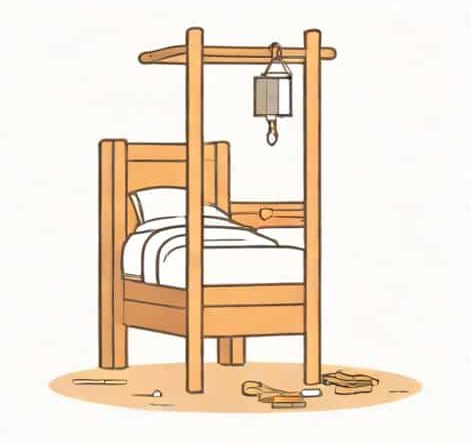
On a literal level, the phrase references a bedpost, an object commonly associated with furniture, specifically the posts at the corners of a bed. The mention of ownership with was his own indicates that the subject has authority or personal rights over this object. Taken literally, it suggests a situation where someone is asserting possession or control over their own property, emphasizing personal responsibility and agency.
Literal Interpretation in Context
In many anecdotal or humorous stories, statements like this are used to highlight a mundane detail in an exaggerated or ironic way. By specifying that the bedpost was his own, the storyteller may be emphasizing a humorous contrast between the expectation of a conflict or problem and the harmless, ordinary reality. This approach is common in folk tales, jokes, or witty narratives where a simple, factual statement can be rendered amusing through timing, context, or the contrast between anticipation and reality.
Linguistic and Stylistic Analysis
From a linguistic standpoint, the phrase employs simple structure but carries complex stylistic features. The use of yes, and introduces a conversational tone, as if responding to a prior statement or question, creating an immediate connection with the listener or reader. The second part, the bedpost was his own, adds specificity, grounding the statement in a tangible object while also subtly invoking humor through its unexpected detail.
Features of Conversational Humor
- ContrastThe humor often arises from the contrast between the setup and the punchline, in this case between expectation and mundane reality.
- PrecisionIncluding a specific object like a bedpost creates a vivid mental image, making the narrative more engaging.
- TimingThe phrase’s structure allows for a pause between the yes, and setup and the final clause, enhancing comedic effect.
These linguistic elements demonstrate how even a brief phrase can convey personality, tone, and style, making it effective in storytelling or humorous writing.
Cultural and Historical Context
Expressions like yes, and the bedpost was his own often find roots in cultural storytelling traditions. In various English-speaking cultures, particularly in rural or folk contexts, detailed narratives that exaggerate the ordinary or focus on ownership of personal property are common. These stories often serve multiple purposes entertaining the audience, emphasizing social norms such as respect for property, and providing moral lessons subtly embedded within humor.
Ownership and Property in Humor
Highlighting ownership, even of something as mundane as a bedpost, reflects a broader cultural value the importance of personal property and boundaries. In jokes or anecdotes, this emphasis can create a humorous tension between the perceived stakes and the actual situation. For instance, a listener may expect a dramatic conflict, but the narrative reveals that the concern is trivial, prompting laughter and reflection simultaneously.
Philosophical Interpretations
Beyond humor and storytelling, the phrase can be interpreted philosophically. The notion that something was his own touches on ideas of autonomy, personal responsibility, and identity. Philosophers and ethicists often explore how ownership and self-agency shape human experience. In this light, the phrase may serve as a metaphor for asserting control over one’s life or circumstances, even in seemingly trivial matters.
Ownership and Identity
- AutonomyBy emphasizing that the bedpost belonged to him, the phrase suggests self-determination and authority over personal space.
- ResponsibilityOwning something implies accountability for its care and use, reflecting broader life lessons.
- IdentityPossessions, even small ones, can serve as symbols of personal identity and individuality.
From this perspective, the phrase transcends humor, offering insight into human behavior, social norms, and individual values.
Applications in Literature and Storytelling
Writers often use phrases like this to build character, enhance dialogue, or create memorable moments. By including an unusual or specific detail, authors can make scenes more vivid and relatable. Such details also lend authenticity to dialogue, mimicking real-life conversation where people often highlight small, personal facts to establish connection or assert credibility.
Techniques for Using Specificity in Writing
- Using concrete objects or details makes abstract ideas tangible for readers.
- Small, unexpected details can create humor or tension.
- Combining conversational cues like yes, and with specific objects improves narrative flow and character voice.
Writers can apply these techniques to evoke emotion, engage readers, and enhance storytelling, demonstrating the enduring utility of phrases that appear simple yet carry depth.
The phrase yes, and the bedpost was his own is more than a quirky statement. It reflects layered meanings that span literal interpretation, linguistic style, cultural context, philosophical insight, and storytelling technique. At its core, it emphasizes ownership, autonomy, and humor, showing how small details can carry significant weight in narrative and communication. Whether used in anecdotes, jokes, or literary contexts, the phrase exemplifies how language can simultaneously entertain, inform, and provoke reflection. Understanding such expressions enriches appreciation for the subtlety and creativity inherent in everyday language and highlights the interplay between mundane details and broader human experiences.