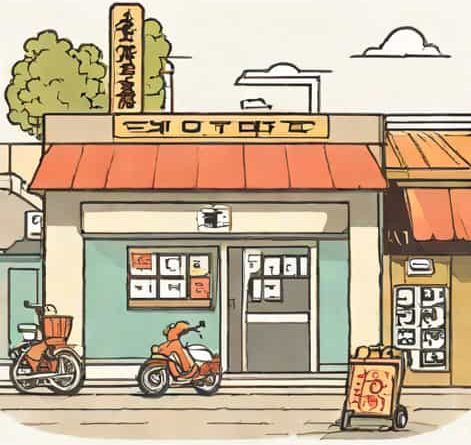
Your Neighborhood Asian Market
Your neighborhood Asian market is more than just a place to shop for groceries; it is a cultural hub that brings together a wide variety of flavors, ingredients, and traditions from across Asia. These markets provide an opportunity to explore culinary delights from countries such as China, Japan, Korea, Thailand, Vietnam, and India, all in one convenient location. For many people, visiting an Asian market is not only about buying food but also about experiencing a sense of community, discovering new cooking techniques, and connecting with different cultures. From fresh produce to specialty sauces and snacks, these markets offer a diverse range of products that can inspire creativity in the kitchen.
Variety of Products Available
One of the main attractions of your neighborhood Asian market is the incredible variety of products it offers. Shoppers can find fresh fruits and vegetables that are unique to Asian cuisines, such as bok choy, daikon radish, bitter melon, and Thai eggplant. Many markets also feature a wide selection of seafood, including live fish, shellfish, and exotic varieties that are hard to find in conventional grocery stores. Meat sections often include marinated options and cuts specific to traditional Asian recipes.
Pantry Staples
Asian markets carry a broad range of pantry staples that are essential for cooking authentic dishes. These items include
- Rice varieties such as jasmine, sushi, and sticky rice
- Noodles including ramen, udon, rice noodles, and soba
- Sauces like soy sauce, fish sauce, hoisin, oyster sauce, and sriracha
- Spices and seasonings such as five-spice powder, curry paste, and sesame oil
- Beans, tofu, and other plant-based protein options
Snacks and Beverages
Beyond fresh ingredients, your neighborhood Asian market offers an exciting array of snacks and beverages. Shoppers can discover a wide selection of chips, crackers, candies, and preserved fruits from different Asian countries. Beverages range from green tea, bubble tea kits, and matcha powders to traditional drinks like Asian herbal teas and flavored sodas. These items provide a fun and convenient way to explore Asian flavors at home without the need for extensive cooking experience.
Frozen Foods
Frozen sections in Asian markets are another highlight, offering ready-to-cook meals and ingredients. These may include dumplings, spring rolls, buns, seafood, and various types of dim sum. Frozen vegetables and pre-marinated meats make it easier for busy shoppers to prepare traditional dishes quickly while still enjoying authentic flavors.
Cultural and Community Experience
Shopping at your neighborhood Asian market is not just about groceries; it is a cultural experience. Many markets are family-owned and operated, often run by members of the local Asian community. This creates a warm and welcoming environment where shoppers can ask questions, get cooking tips, and learn about new products. Markets often celebrate cultural festivals and holidays, offering special promotions and traditional foods that reflect the richness of Asian heritage. Visiting the market provides an opportunity to connect with the community and gain a deeper understanding of Asian cultures.
Cooking Inspiration
For many home cooks, an Asian market serves as a source of inspiration. The wide variety of ingredients encourages experimentation with new recipes and flavors. Shoppers can explore dishes such as Thai curries, Japanese ramen, Korean kimchi, Indian curries, and Vietnamese pho. Many markets provide recipe cards or cooking demonstrations, helping customers learn how to use unfamiliar ingredients and create delicious meals at home.
Shopping Tips
To get the most out of your visit to an Asian market, consider these practical tips
- Make a list of ingredients needed for specific recipes to avoid missing essential items.
- Explore different sections of the market, including fresh produce, frozen foods, and specialty aisles.
- Don’t hesitate to ask store staff for advice on selecting ingredients or cooking techniques.
- Check for weekly specials or discounts, which can make shopping more affordable.
- Take note of unfamiliar products and research recipes online to try new dishes at home.
Seasonal and Specialty Items
Many Asian markets carry seasonal products and specialty items that reflect cultural traditions. For example, during Lunar New Year, shoppers may find festive candies, rice cakes, and decorative items. Seasonal vegetables and fruits such as lychee, rambutan, and Chinese cabbage are available at specific times of the year, offering a unique experience that changes throughout the seasons. Paying attention to these items can make each visit exciting and educational.
Benefits of Shopping at an Asian Market
Shopping at your neighborhood Asian market comes with several benefits. First, the diversity of fresh and specialty products allows for healthier and more flavorful meals. Many ingredients are minimally processed, encouraging home-cooked meals rather than reliance on packaged foods. Second, the experience fosters cultural appreciation and learning, exposing shoppers to culinary traditions and practices from across Asia. Third, supporting local Asian markets helps sustain small businesses and the local community, promoting economic growth and cultural diversity.
Connecting with Local Culture
Beyond the food, Asian markets often serve as cultural hubs where community members gather. They provide a glimpse into traditional cooking methods, festival celebrations, and unique product offerings. For children and adults alike, visiting the market can be an educational and enjoyable experience, making it more than just a place to buy groceries but a place to connect with culture and community.
Your neighborhood Asian market is a treasure trove of flavors, ingredients, and cultural experiences. It offers a wide range of fresh produce, pantry staples, snacks, beverages, and specialty items that enable home cooks to explore Asian cuisine with ease. Beyond groceries, the market fosters community connections, cultural appreciation, and culinary creativity. By visiting your local Asian market regularly, you not only gain access to unique and high-quality ingredients but also support local businesses and engage with a rich cultural tradition. Whether you are an experienced cook or just curious about Asian flavors, your neighborhood Asian market provides an exciting and educational shopping experience that goes beyond the ordinary.