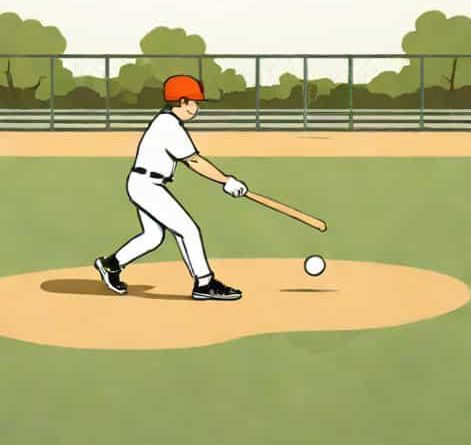
Youth Baseball Fielding Drills
Youth baseball is an exciting and educational sport that helps children develop physical skills, teamwork, and a love for the game. One of the most critical aspects of baseball is fielding, which requires agility, focus, and proper technique to ensure players can successfully catch, throw, and control the ball during games. Fielding drills for youth players are designed to build these skills while making practice engaging and fun. Coaches who implement structured drills help young athletes improve their reaction time, hand-eye coordination, and overall confidence on the field, creating a strong foundation for long-term success in baseball.
Importance of Fielding Drills in Youth Baseball
Fielding is an essential skill in baseball that can make the difference between winning and losing a game. For youth players, developing strong fielding abilities early in their training helps them become more versatile and confident athletes. Fielding drills teach young players how to properly position themselves, anticipate ball trajectories, and execute accurate throws. Additionally, drills help build muscle memory, allowing players to react instinctively during fast-paced game situations.
Key Skills Developed Through Drills
- Hand-eye coordinationEssential for catching fly balls, grounders, and line drives.
- FootworkProper foot placement allows players to move efficiently and maintain balance while fielding.
- Throwing accuracyDrills help players practice strong, precise throws to bases or teammates.
- Reaction timeQuick responses to hits or line drives improve overall defensive effectiveness.
- CommunicationDrills encourage players to call for balls and coordinate with teammates.
Basic Fielding Drills for Youth Players
Coaches can introduce young athletes to fundamental fielding drills to establish proper technique and build confidence. Basic drills focus on catching, ground ball control, and throwing mechanics. These exercises can be performed individually, in pairs, or with the entire team, allowing players to practice both skills and teamwork.
Ground Ball Drills
Ground ball drills help players develop proper stance, glove positioning, and body alignment. A simple drill involves a coach rolling a ball toward the player, who must field it cleanly and throw it to a designated target, such as first base. Key points include keeping the glove low, stepping toward the ball, and following through with the throw. Variations of the drill can include different angles, speeds, and distances to simulate game conditions.
Fly Ball Drills
Fly ball drills teach youth players how to track balls in the air and position themselves for a successful catch. Players practice judging the ball’s trajectory, moving quickly into position, and catching with two hands. Coaches can use soft tosses or gentle pop-ups to start, gradually increasing difficulty as players improve. Emphasizing communication and calling the ball helps avoid collisions during games.
Throwing and Catching Drills
Accurate throws are critical for making outs and supporting teammates. Youth baseball drills often pair players to practice throwing and catching while focusing on proper mechanics. Players are encouraged to step toward the target, maintain a firm wrist, and follow through on each throw. Catching drills, such as short-hop or long toss exercises, improve hand-eye coordination and reaction time, preparing players for various in-game scenarios.
Advanced Fielding Drills
As youth players become more comfortable with basic skills, coaches can introduce advanced drills that challenge their agility, decision-making, and speed. These drills simulate real-game situations, helping players understand how to react under pressure while maintaining proper form.
Double Play Drills
Double play drills teach infielders how to field and throw quickly to complete two outs in succession. Players practice fielding grounders, stepping on the base, and making accurate throws to the next base. Emphasis is placed on footwork, timing, and communication with teammates to ensure smooth execution during fast-paced plays.
Relay and Cutoff Drills
Relay drills develop teamwork and coordination among outfielders and infielders. Players practice quickly throwing the ball from the outfield to a cutoff player or directly to the target base. The drill focuses on accurate throws, quick decision-making, and positioning to prevent runners from advancing. Proper communication and situational awareness are reinforced through these exercises.
Reaction and Agility Drills
Quick reflexes and lateral movement are vital for effective fielding. Coaches can set up drills that require players to react to random hits or balls hit at different angles. Using cones, markers, or multiple balls, players must adjust their position rapidly, demonstrating agility and awareness. These drills also help build endurance and maintain concentration during extended game periods.
Tips for Effective Youth Baseball Fielding Drills
To maximize the benefits of fielding drills, coaches and parents should consider several key tips. First, maintaining a positive and encouraging environment helps youth players stay motivated and engaged. Drills should be structured, but flexible, allowing adjustments based on skill level and individual progress. Consistent practice is essential, but incorporating fun and variety keeps young athletes enthusiastic about training. Safety should always be prioritized, ensuring players use proper protective equipment and techniques.
Focus on Fundamentals
Even as players progress to advanced drills, returning to fundamental techniques helps reinforce good habits. Proper glove positioning, stance, and throwing mechanics should be emphasized regularly. Consistency in practice ensures that these core skills become second nature during games.
Encourage Teamwork and Communication
Baseball is a team sport, and fielding drills provide opportunities for players to develop collaboration skills. Encouraging players to call for balls, assist teammates, and communicate effectively creates a cohesive defensive unit. This teamwork translates to better performance in actual games and builds camaraderie among players.
Measure Progress and Provide Feedback
Regular feedback helps youth athletes understand areas for improvement and recognize achievements. Coaches can track progress by timing drills, recording accuracy, or evaluating technique during practice sessions. Constructive feedback fosters growth, confidence, and a strong work ethic, motivating players to continue refining their fielding abilities.
Youth baseball fielding drills are essential for developing well-rounded, skilled players capable of contributing to their team’s success. By focusing on fundamentals, introducing advanced drills, and promoting teamwork, coaches help young athletes build confidence, agility, and game awareness. Consistent practice, constructive feedback, and a positive learning environment ensure that players not only improve their fielding skills but also develop a lifelong love for baseball. Whether working on grounders, fly balls, or complex in-game scenarios, these drills prepare youth players for success both on the field and in future competitive opportunities.