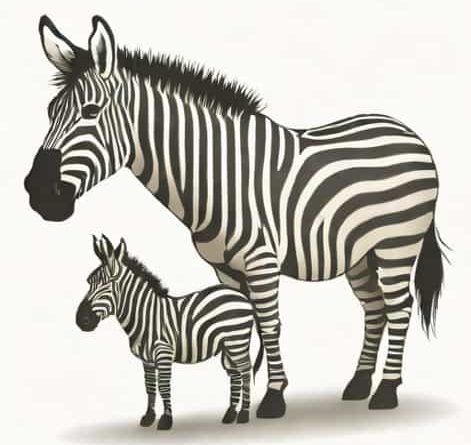
Zebra And Donkey Mix
The concept of a zebra and donkey mix sparks curiosity and fascination for animal enthusiasts and biologists alike. Such a hybrid is an unusual and intriguing result of crossbreeding between two distinct species, the zebra, known for its unique black and white stripes, and the donkey, a domesticated member of the equine family valued for its strength and endurance. While the combination may seem improbable at first glance, it has been explored in certain contexts, mainly for research, educational purposes, and occasionally in animal sanctuaries or zoos. Understanding the biology, characteristics, and challenges associated with zebra-donkey hybrids offers insight into hybridization, genetics, and animal behavior.
Understanding the Hybrid Zedonk
The hybrid offspring resulting from a zebra and donkey pairing is commonly referred to as a zedonk, zebronkey, or zonkey. The name zedonk is a combination of zebra and donkey, reflecting the parentage of the animal. Like many interspecies hybrids, the physical and behavioral traits of a zedonk can vary widely depending on which parent is dominant in terms of genetics and environmental factors. Typically, zedonks inherit the stripes of the zebra, though often more faint or irregular, while their body shape, size, and temperament may resemble that of the donkey.
Genetics Behind the Hybrid
Hybridization between a zebra and a donkey involves complex genetic considerations. Zebras belong to the genus Equus, as do donkeys, which makes hybridization possible, though not always straightforward. Zebras have a different number of chromosomes compared to donkeys typically 32 for a donkey and between 32 to 46 for various zebra species. This difference can lead to challenges in producing viable offspring. Nevertheless, when mating is successful, the resulting zedonk usually inherits a mix of traits from both parents, resulting in unique coloration patterns, ear shapes, and mane structures.
Physical Characteristics of Zedonks
Zedonks often exhibit striking appearances, blending the distinctive features of both parent species. Their most notable feature is the zebra-like stripes, which can appear on different parts of the body such as the legs, neck, and shoulders. The body shape, however, generally resembles the donkey, including a sturdy frame, shorter stature compared to a zebra, and strong hooves adapted for varied terrain. Zedonks may also inherit the donkey’s large ears and gentle eyes, combined with a zebra-like mane that can stand upright. Overall, each zedonk is visually unique, making them popular in educational programs and animal exhibitions.
Behavior and Temperament
The temperament of a zedonk can be a blend of the zebra’s wild instincts and the donkey’s domesticated behavior. Donkeys are known for their calm, intelligent, and sometimes stubborn nature, while zebras retain more wild and alert characteristics, including heightened wariness and agility. As a result, zedonks can display a mix of both behaviors, which means they require patient handling and careful management. While they may be more docile than zebras, zedonks often retain a strong sense of independence and can be wary of unfamiliar environments or people.
Challenges of Breeding Zebra-Donkey Hybrids
Breeding a zebra with a donkey is not without challenges. The differences in chromosome numbers between the two species can lead to infertility in the offspring, similar to other interspecies hybrids such as mules (horse and donkey cross). This means that while zedonks can be born healthy, they are often sterile and cannot reproduce. Additionally, successful breeding requires careful planning, knowledge of animal behavior, and proper veterinary supervision to ensure the health of both the parents and the hybrid offspring. Ethical considerations are also important, as hybridization for novelty purposes can raise concerns about animal welfare.
Health Considerations
Like all hybrids, zedonks may face specific health challenges related to genetics and development. Careful attention must be given to their diet, living environment, and exercise routines to accommodate their unique physiology. Veterinary care is crucial, especially in early stages of life, to monitor for potential complications that may arise from the genetic differences between the zebra and donkey. With proper care, zedonks can live long, healthy lives, often reaching the age of 20 to 30 years.
Historical and Cultural Context
The fascination with zebra-donkey hybrids is not entirely new. These animals have been occasionally bred throughout history, often in zoos or private collections, as examples of genetic experimentation or for display purposes. In some cultures, hybrids like zedonks have been used to educate the public about animal genetics, hybrid vigor, and the diversity of the equine family. Their unique appearance and gentle nature make them appealing for educational outreach programs that focus on conservation, biology, and the importance of biodiversity.
Conservation Implications
While zedonks are not a natural species, their existence can provide insights into the importance of preserving purebred populations of zebras and donkeys. Zebras in the wild face habitat loss and hunting pressures, while donkeys are widely domesticated but may also face challenges in certain regions. By studying hybrids, scientists can better understand the genetic diversity of these species, potential reproductive barriers, and the importance of maintaining healthy, sustainable populations in both the wild and domesticated contexts.
Human Interaction and Uses
Zedonks are often appreciated for their unique appearance and can be used in educational and recreational settings. They may be featured in animal sanctuaries, zoos, and educational programs where visitors can learn about hybridization and equine biology. Some zedonks have been trained for light work or recreational riding, although they typically do not have the same strength or endurance as donkeys or horses, limiting their practical uses. Their primary role remains educational, fostering awareness about animal genetics, conservation, and the diversity of the equine family.
Popular Interest
The novelty of a zebra-donkey hybrid has captured public imagination through social media, documentaries, and educational publications. People are drawn to zedonks due to their striking stripes, gentle demeanor, and the unusual combination of traits. This interest has also spurred discussion about the ethics of breeding hybrids, the potential for conservation education, and the role humans play in influencing animal genetics. Zedonks serve as a tangible example of how humans and animals interact in controlled environments for learning and appreciation.
The zebra and donkey mix, known as the zedonk, represents a fascinating intersection of genetics, biology, and human curiosity. Although not a naturally occurring species, zedonks provide valuable lessons about hybridization, animal behavior, and the challenges and responsibilities of managing hybrid animals. Their unique physical traits, combined behaviors from both parents, and the educational opportunities they present make them notable within the animal kingdom. Understanding their care requirements, health considerations, and the ethical implications of breeding such hybrids ensures that zedonks are respected, safely managed, and appreciated for the insight they offer into the complex world of equine genetics and biodiversity.