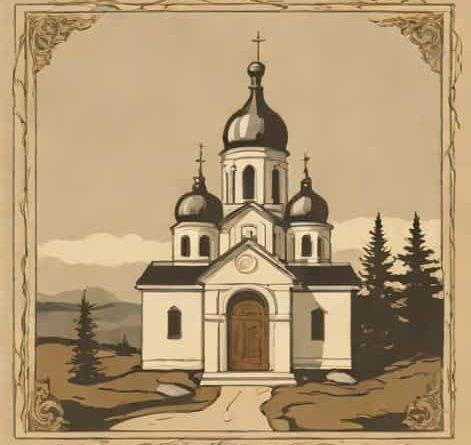
Zaimka In The Urals
The Urals, a majestic mountain range stretching across western Russia, are home to many small rural settlements known as zaimkas. These isolated homesteads have historically served as seasonal farms, hunting lodges, or retreats for people seeking to live closer to nature. Zaimkas in the Urals offer a unique glimpse into traditional Russian rural life, blending subsistence farming, forestry, and outdoor living. Today, they are valued both for their historical significance and for modern uses such as eco-tourism, hunting, and recreational getaways. Understanding the lifestyle, challenges, and appeal of zaimkas provides insight into a lesser-known aspect of the Ural region and the way people have adapted to its remote and often harsh environment.
What is a Zaimka?
A zaimka is typically a small homestead or rural property located in a forested or remote area. Historically, they were established by families or individuals to cultivate land, harvest forest resources, and engage in hunting or fishing. The term zaimka is often associated with Siberia and the Urals, where settlement patterns were influenced by the availability of arable land and natural resources. Unlike large villages or towns, zaimkas are isolated, usually consisting of a few wooden structures such as a main house, barn, and storage buildings.
Historical Significance
Zaimkas played an important role in the colonization and development of rural Russia. Settlers would claim plots of land, clear forest areas for farming, and sustain themselves through a combination of agriculture, hunting, and gathering. These small homesteads were often self-sufficient, relying on the natural environment for food, fuel, and building materials. In the Urals, zaimkas allowed people to establish a presence in forested mountain regions, balancing survival with resource management.
Life in a Zaimka
Living in a zaimka requires adaptation to remote conditions and a strong connection to the surrounding environment. Daily life revolves around tasks such as tending to gardens, chopping wood, maintaining buildings, and hunting or fishing for sustenance. Modern zaimkas may also incorporate electricity, plumbing, and internet access, but many retain traditional features and rely on natural resources for heating and food.
Seasonal Activities
The lifestyle in a zaimka often changes with the seasons
- SpringPreparing soil for planting, repairing structures, and collecting firewood for the next winter.
- SummerGrowing crops, maintaining the homestead, and engaging in fishing or forestry work.
- AutumnHarvesting crops, preserving food, and preparing for the harsh winter months.
- WinterHunting, trapping, and maintaining warmth and safety in often extreme cold conditions.
Adaptation to seasonal rhythms is crucial for survival and productivity in these remote locations.
Community and Isolation
While zaimkas are often isolated, they are sometimes part of a loosely connected network of homesteads. Families or neighbors may visit each other for mutual assistance, trading goods, or sharing knowledge about local hunting grounds and forest resources. Despite isolation, these small communities maintain social ties and cultural traditions, passing knowledge of self-sufficiency and resource management across generations.
Zaimkas in the Urals Today
In contemporary times, zaimkas have seen a resurgence in popularity, both as recreational retreats and as investments in rural property. Many city dwellers seek the quiet and natural beauty of the Urals, using zaimkas as weekend or seasonal getaways. Some are converted into guest houses or eco-tourism destinations, offering visitors an authentic rural experience. Others are maintained as hunting lodges or locations for outdoor sports like fishing, hiking, and snowmobiling.
Tourism and Recreation
The natural landscape of the Urals makes zaimkas attractive for eco-tourism and adventure activities. Tourists can experience forest life, observe wildlife, and engage in traditional activities like fishing and mushroom picking. Many modern zaimkas offer basic comforts while preserving traditional architecture and lifestyle, providing an authentic and immersive experience for visitors.
Investment Potential
For those interested in rural property investment, zaimkas offer unique opportunities. They can be restored and rented for tourism, used for personal recreation, or developed for forestry or small-scale farming. The combination of historical charm, scenic beauty, and modern accessibility makes them appealing for both personal and commercial purposes.
Challenges of Living in a Zaimka
Despite their appeal, life in a zaimka is not without challenges. Remote locations mean limited access to healthcare, education, and retail services. Harsh winters require significant preparation and resilience, while isolation can be difficult for those accustomed to urban conveniences. Maintaining the homestead also demands regular labor and investment in infrastructure, including heating, water, and road access.
Environmental Considerations
Living or investing in a zaimka requires respect for the surrounding environment. Sustainable land use, responsible hunting, and preservation of forests are important to prevent degradation of natural resources. Many modern zaimka owners take steps to implement eco-friendly practices, such as using renewable energy, recycling, and maintaining local biodiversity.
Cultural and Historical Value
Zaimkas are more than just rural properties; they carry cultural and historical significance. They represent traditional Russian ways of life, self-sufficiency, and human adaptation to challenging environments. Maintaining and restoring zaimkas preserves these cultural landscapes and offers insight into the history of settlement in the Urals. For researchers, historians, and cultural enthusiasts, zaimkas provide valuable examples of rural architecture, land use, and community practices.
Preservation Efforts
Some local organizations and heritage groups work to preserve zaimkas and educate the public about their historical importance. Restoration projects focus on maintaining traditional construction techniques while adapting to modern needs. Preserving zaimkas helps ensure that this unique aspect of Ural heritage is not lost to modernization and urban expansion.
Zaimkas in the Urals offer a fascinating blend of history, culture, and natural beauty. From their origins as seasonal homesteads and hunting lodges to their modern uses in tourism and rural investment, zaimkas provide a unique perspective on life in this mountainous region. Living in or visiting a zaimka requires adaptation, resilience, and a deep appreciation for nature, but it also offers tranquility, self-sufficiency, and a connection to traditional Russian culture. Whether for recreational purposes, eco-tourism, or cultural preservation, zaimkas remain an integral part of the Ural landscape, bridging the past and present while showcasing the enduring appeal of rural life in one of Russia’s most beautiful and rugged regions.