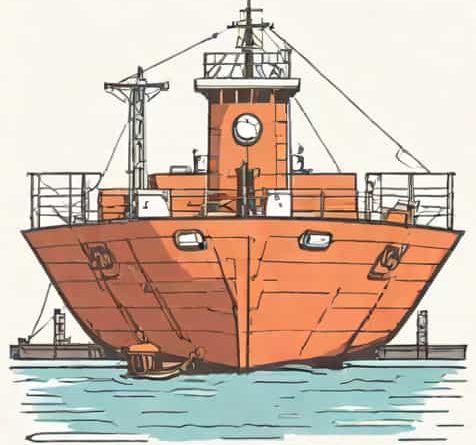
What Is A Dry Dock
A dry dock is an essential facility in the maritime and shipbuilding industries, designed to allow ships, boats, and other watercraft to be serviced, repaired, or constructed in a controlled environment out of the water. Unlike a standard dock where vessels float on the water, a dry dock can be drained, enabling workers to access the hull, keel, and other submerged structures of a ship safely and efficiently. Dry docks are crucial for maintaining vessel safety, ensuring operational efficiency, and prolonging the lifespan of marine vessels. Understanding what a dry dock is, how it operates, and its various types provides valuable insight into its significance in maritime operations.
Definition and Function of a Dry Dock
A dry dock is a narrow basin or vessel-shaped enclosure capable of being flooded to allow a ship to enter and then drained to expose the hull for inspection, maintenance, or construction. Its primary function is to provide a safe, dry environment where workers can perform repairs or modifications that cannot be carried out while the ship is afloat. Dry docks are used for cleaning the hull, repairing damage, painting, installing equipment, and performing comprehensive structural assessments. By keeping the vessel stable and accessible, dry docks ensure high-quality workmanship and adherence to safety standards.
History and Evolution of Dry Docks
The concept of dry docks dates back several centuries, with the earliest examples appearing in the medieval period. Ancient shipbuilders in regions such as China and Europe recognized the need to repair vessels efficiently without the challenges posed by water currents and tides. The earliest dry docks were simple excavated basins lined with timber or stone. Over time, engineering advancements led to more sophisticated structures, including gated enclosures, pumping systems, and reinforced concrete construction. Modern dry docks are technologically advanced, capable of accommodating massive ships, including naval vessels and commercial supertankers.
Types of Dry Docks
Dry docks are categorized based on their construction, mobility, and method of operation. Understanding the different types helps explain how they meet various maritime needs.
Graving Docks
Graving docks are the most traditional type of dry dock, constructed as a permanent basin in a harbor or shipyard. These docks are typically made of concrete or stone and include a gate or caisson that can be opened to allow a ship to enter. Once the ship is positioned, water is pumped out, leaving the vessel supported on blocks or cradles. Graving docks are ideal for large-scale ship repairs and new ship construction because they provide a stable, dry environment and can accommodate very large vessels.
Floating Docks
Floating dry docks are mobile structures that can be submerged to allow a ship to enter and then raised to lift the ship out of the water. These docks are versatile, as they can be moved to different locations as needed, making them ideal for remote or temporary repair operations. Floating docks are commonly used for both military and commercial vessels, offering flexibility in ship maintenance without the need for permanent infrastructure.
Dry Dock Pontoons
Dry dock pontoons are modular platforms that can be assembled and submerged to accommodate a ship. Once the ship is in position, the pontoons are raised, lifting the vessel above the water. This type of dry dock is often used for smaller ships or in locations where constructing a permanent dry dock is impractical. Pontoons provide an economical and adaptable solution for ship maintenance and repairs.
Construction and Operation of a Dry Dock
Constructing a dry dock requires careful engineering and precise design to ensure safety, stability, and efficiency. Key components and operational steps include
- Basin StructureThe dock’s basin must be reinforced to withstand water pressure when flooded and structural loads when empty.
- Gate or CaissonA movable gate or caisson allows water to enter or be pumped out, controlling access to the dock.
- Pumping SystemPowerful pumps remove water quickly, exposing the ship’s hull for maintenance.
- Support Blocks and CradlesShips are positioned on carefully arranged blocks or cradles to ensure even weight distribution and stability during work.
- Safety SystemsModern dry docks include safety measures such as emergency drainage, monitoring equipment, and secure walkways for workers.
Operational Steps
The operation of a dry dock involves several critical steps
- Dock PreparationThe dock is cleaned, inspected, and prepared for the incoming vessel.
- Vessel PositioningThe ship is carefully navigated into the flooded dock and aligned with support blocks.
- Water RemovalPumps are activated to remove water, gradually exposing the hull while monitoring stability.
- Maintenance or ConstructionWorkers perform repairs, inspections, or construction tasks, taking advantage of full access to the vessel.
- Reflooding and LaunchOnce the work is completed, the dock is reflooded, and the ship is safely floated out for return to service.
Applications of Dry Docks
Dry docks serve a variety of purposes across commercial, military, and recreational maritime sectors. Common applications include
- Hull MaintenanceCleaning, painting, and repairing the hull to prevent corrosion and improve hydrodynamics.
- Structural RepairsAddressing damage from collisions, wear and tear, or environmental stressors.
- Ship ConstructionBuilding new vessels from the keel up in a controlled, dry environment.
- Refitting and UpgradesInstalling new equipment, retrofitting technology, or modifying the ship’s design.
- Inspection and CertificationPerforming regulatory inspections and safety certifications required for compliance with maritime laws.
Importance in Maritime Safety and Efficiency
Dry docks are vital for maritime safety and operational efficiency. Regular maintenance in a dry dock ensures that ships remain seaworthy, reduces the risk of accidents, and extends the lifespan of vessels. By allowing comprehensive inspections and repairs, dry docks help shipping companies avoid costly delays, improve fuel efficiency, and meet environmental regulations. For navies, dry docks are essential for maintaining combat readiness, enabling rapid repairs, and upgrading naval vessels with modern technology.
Modern Innovations in Dry Dock Technology
Advancements in technology have transformed dry docks into highly efficient and sophisticated facilities. Innovations include automated pumping systems, computer-controlled docking and alignment, real-time monitoring of structural loads, and environmentally friendly water treatment systems. Some modern dry docks incorporate sensors to detect hull stress, corrosion, or structural weaknesses, allowing predictive maintenance. Floating and modular dry docks have increased flexibility, enabling maintenance in previously inaccessible or remote locations. These innovations ensure that dry docks continue to meet the evolving needs of the maritime industry.
Environmental Considerations
Modern dry dock operations also address environmental concerns. Measures such as containment systems for paint and chemicals, water treatment facilities, and sustainable energy sources are implemented to reduce the ecological impact of ship maintenance. By controlling pollutants and managing waste effectively, dry docks contribute to safer, cleaner, and more sustainable maritime practices.
A dry dock is an indispensable facility in the maritime world, providing a safe and controlled environment for ship maintenance, repair, and construction. By exposing the hull and underwater components of vessels, dry docks enable thorough inspections, efficient repairs, and effective upgrades. Their design, operation, and technological innovations reflect the critical role they play in ensuring maritime safety, operational efficiency, and environmental responsibility. From traditional graving docks to modern floating systems, dry docks remain a cornerstone of shipbuilding and maintenance, supporting commercial, military, and recreational vessels worldwide.
In essence, the dry dock is both a technical marvel and a practical necessity, representing centuries of maritime engineering innovation. By enabling precise maintenance, extending vessel longevity, and supporting the construction of new ships, dry docks continue to be central to the sustainability and effectiveness of the maritime industry. Their ongoing evolution ensures that vessels of all sizes can operate safely, efficiently, and responsibly across the globe.