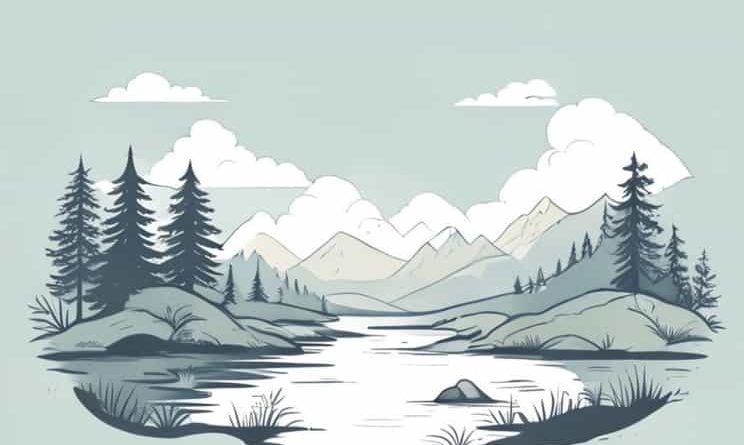
A Beautiful Scenery Drawing
A beautiful scenery drawing has always been a timeless way to express creativity, imagination, and appreciation for nature. Through pencil sketches, watercolor strokes, or digital art, artists capture the essence of landscapes and transform them into visual stories. Whether it’s mountains rising against the sky, rivers reflecting sunlight, or fields blooming with flowers, scenery drawings hold the power to transport viewers into another world. They are not just pictures on paper; they are experiences shaped by color, line, and perspective.
The Meaning Behind Scenery Drawing
Scenery drawing goes beyond replicating what we see. It is a form of artistic expression that allows the artist to highlight beauty, emotion, and atmosphere. For centuries, landscapes have been a favorite subject in art, representing harmony between people and nature. A beautiful scenery drawing can communicate calmness, joy, or even nostalgia depending on the chosen elements and style.
Essential Elements of a Beautiful Scenery Drawing
Creating a landscape that feels both realistic and inspiring requires attention to detail. While every artist develops a unique style, certain components often make a drawing more engaging and memorable.
Common Features Found in Scenic Art
- Mountains and HillsRepresent strength, majesty, and stability in the background.
- Water ElementsRivers, lakes, or oceans add depth and reflection to the drawing.
- Trees and ForestsSymbolize life and growth while providing structure to the scene.
- Sky and CloudsOffer mood and atmosphere, from bright sunshine to dramatic sunsets.
- Floral FieldsBright colors and delicate forms bring joy and vibrancy to the drawing.
By combining these elements thoughtfully, an artist can create a scenery drawing that feels balanced and visually captivating.
Techniques to Enhance Scenery Drawing
Even a simple drawing can look stunning with the right techniques. Shading, perspective, and the use of color are essential to transform a flat sketch into a lively composition.
Techniques Artists Often Use
- PerspectiveApplying foreground, middle ground, and background to create depth.
- ShadingUsing light and shadow to bring dimension and realism.
- Color GradientsBlending colors in the sky, water, or fields for a natural effect.
- TextureAdding roughness to mountains or softness to clouds for contrast.
- LayeringBuilding up details gradually to avoid flatness and enhance richness.
These techniques allow a scenery drawing to capture not only the shapes of nature but also its atmosphere and feeling.
Different Styles of Scenery Drawing
A beautiful scenery drawing can be interpreted in many styles depending on the artist’s preference. From realistic sketches to abstract impressions, each approach tells a different story.
Popular Styles in Landscape Art
- RealisticFocused on accurate representation, capturing every detail as close to nature as possible.
- ImpressionisticHighlighting light, color, and movement rather than fine details.
- MinimalistUsing simple lines and shapes to convey scenery in a clean, modern way.
- SurrealBlending imagination with landscapes, often creating dreamlike views.
- DigitalUsing technology to produce vivid, layered scenery art with endless possibilities.
Each style allows viewers to experience landscapes differently, proving that beauty in scenery drawing does not depend solely on realism but also on creativity.
Why People Love Scenery Drawing
The popularity of scenery drawing comes from its ability to connect people with nature and evoke emotions. Many individuals enjoy creating or observing these drawings because they offer a sense of peace and escape from everyday life. For students and beginners, drawing scenery is often the first step into the art world, as it provides endless inspiration and teaches foundational techniques.
Learning to Draw Beautiful Scenery
For those who want to try scenery drawing, starting with simple landscapes is the best approach. Sketching a sunrise with mountains, a river flowing through fields, or a calm beach scene helps build confidence. Over time, artists can add more complexity and experiment with shading, textures, and different tools.
Tips for Beginners
- Start with simple shapes like triangles for mountains and ovals for trees.
- Divide the page into background, middle ground, and foreground for balance.
- Use pencils for sketching and practice shading before adding colors.
- Observe real landscapes or photos to understand proportions and perspective.
- Experiment with watercolors or colored pencils to bring life to the drawing.
Practice and observation are key. The more an artist studies nature, the easier it becomes to translate its beauty onto paper.
Emotional Impact of Scenery Drawings
A beautiful scenery drawing can influence the emotions of its viewers. Calm beach scenes may evoke relaxation, while dramatic mountains under stormy skies can inspire awe. Artists often use landscapes as a way to express inner feelings, making each drawing deeply personal and unique. This emotional connection explains why scenic art is so universally appreciated.
Scenery Drawing in Modern Times
While traditional pencil and paint techniques remain popular, digital tools have expanded the possibilities of scenery drawing. Tablets, styluses, and software programs allow artists to create vibrant landscapes with layers, lighting effects, and endless editing options. This accessibility has made scenery art more widespread, with many artists sharing their work online to inspire others.
Inspiration Sources for Beautiful Scenery Drawings
Nature itself is the best teacher when it comes to landscape art. Many artists find inspiration from their travels, local parks, or even their own imagination. A simple walk outdoors can reveal endless subjects for scenery drawing, from quiet lakes and rolling hills to urban skylines at sunset.
Ideas for Scenic Subjects
- A peaceful countryside with winding paths and cottages.
- A mountain peak covered in snow under a golden sunrise.
- A tropical beach with palm trees and gentle waves.
- A dense forest with light streaming through the canopy.
- A desert landscape with dunes and a glowing sunset.
These ideas not only challenge artistic skills but also encourage creative storytelling through visual form.
A beautiful scenery drawing is more than an artistic exercise; it is a bridge between imagination and reality. By combining elements like mountains, rivers, skies, and forests with creativity and technique, artists can craft scenes that inspire, comfort, and connect. Whether done with simple pencils or advanced digital tools, scenery drawings continue to capture the timeless beauty of nature. For anyone who loves art or simply appreciates the world around them, creating or viewing a landscape drawing is a reminder of the harmony and wonder that exists in everyday life.