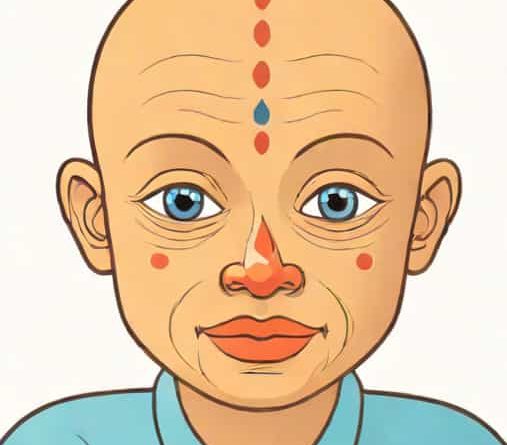
Adult With Harlequin Ichthyosis
Harlequin ichthyosis is a rare and severe genetic skin disorder that affects individuals from birth, characterized by thick, diamond-shaped scales covering the skin. While much attention is often given to infants with this condition due to its life-threatening complications, adults living with harlequin ichthyosis face unique challenges and experiences that are important to understand. Advances in medical care, skin management, and supportive therapies have allowed more individuals with harlequin ichthyosis to survive into adulthood, highlighting the resilience of patients and the progress in treatment. This topic explores the condition in adults, including its causes, symptoms, management strategies, and the social and psychological aspects of living with harlequin ichthyosis as an adult.
Understanding Harlequin Ichthyosis
Harlequin ichthyosis is caused by mutations in the ABCA12 gene, which is crucial for normal skin development and lipid transport. These genetic mutations disrupt the formation of the skin barrier, leading to the accumulation of thick, hard scales. In newborns, the condition often presents as severe hyperkeratosis with tight, armor-like skin that can restrict movement, cause feeding difficulties, and increase vulnerability to infections. Advances in neonatal care, including specialized moisturizers, retinoids, and supportive therapies, have significantly improved survival rates, allowing some individuals to reach adulthood.
Genetic Basis and Inheritance
Harlequin ichthyosis is inherited in an autosomal recessive manner, meaning that an individual must inherit two copies of the defective gene, one from each parent, to develop the condition. Parents who are carriers typically do not show symptoms but have a 25% chance of having a child with harlequin ichthyosis. Genetic counseling can provide families with information about inheritance patterns and the likelihood of occurrence in future pregnancies.
Symptoms in Adults
While the most dramatic physical symptoms are apparent in infancy, adults with harlequin ichthyosis continue to experience lifelong manifestations. The thick, scaly skin persists, though it may become less rigid and more manageable with age and ongoing treatment. Common symptoms in adults include
- Thickened, diamond-shaped scales covering most of the body
- Dryness, cracking, and peeling of the skin
- Chronic itchiness or discomfort
- Limited flexibility in joints due to tight skin
- Increased risk of skin infections
- Temperature regulation difficulties due to impaired sweat glands
In addition to physical symptoms, adults may face challenges related to sensory issues, pain management, and the social implications of having a visible skin disorder.
Adaptation and Management
Management of harlequin ichthyosis in adulthood focuses on maintaining skin health, preventing complications, and improving quality of life. Daily skin care routines are essential and may include
- Regular application of emollients and moisturizers to soften scales and prevent cracking
- Use of keratolytic agents to reduce the thickness of scales
- Oral retinoids in some cases to normalize skin growth
- Careful monitoring for infections and timely medical intervention
- Hydration and temperature management strategies
Adults with harlequin ichthyosis often work closely with dermatologists, primary care physicians, and sometimes genetic specialists to create a comprehensive care plan tailored to their needs.
Social and Psychological Considerations
Living with harlequin ichthyosis as an adult involves navigating social perceptions and psychological challenges. Visible skin differences can lead to feelings of self-consciousness, social anxiety, and stigma. Support networks, counseling, and connection with patient advocacy groups can provide emotional support and practical advice. Peer communities, including online forums and support organizations, allow individuals to share experiences, coping strategies, and resources.
Quality of Life and Independence
Despite the physical and social challenges, many adults with harlequin ichthyosis lead fulfilling lives, pursuing careers, education, and personal relationships. Independence can be maintained through adaptive strategies, such as
- Developing efficient skincare routines to reduce time spent on daily maintenance
- Using adaptive clothing to accommodate skin sensitivity and movement limitations
- Engaging in social activities with supportive friends and family
- Seeking workplace accommodations when necessary
These adaptations empower adults with harlequin ichthyosis to participate fully in society and maintain a high quality of life.
Medical Advances and Research
Ongoing research into harlequin ichthyosis has expanded understanding of the ABCA12 gene, skin barrier function, and potential therapies. Advances in neonatal care have improved survival rates, and continued research into gene therapy, novel medications, and skin care formulations holds promise for enhancing treatment options for adults. Clinical studies often focus on long-term outcomes, side effects of systemic treatments like retinoids, and methods to reduce complications such as infections or joint stiffness.
Importance of Lifelong Care
For adults with harlequin ichthyosis, consistent medical care is essential. Regular dermatological checkups help monitor skin condition, detect infections early, and adjust treatments as needed. Coordination with other specialists, such as physical therapists for joint mobility or psychologists for mental health support, can address the multifaceted aspects of living with this rare condition.
Community and Advocacy
Supportive communities and advocacy organizations play a vital role in the lives of adults with harlequin ichthyosis. Groups such as the Foundation for Ichthyosis & Related Skin Types (FIRST) provide educational resources, connect patients and families, and advocate for research funding. Participation in advocacy efforts can help raise awareness, reduce stigma, and improve access to care and accommodations for individuals living with the condition.
Connecting with Others
- Patient support groups provide emotional support and practical advice
- Online communities allow for shared experiences and peer mentorship
- Advocacy organizations facilitate research funding and public awareness campaigns
- Workshops and conferences offer opportunities for education and networking
Adults living with harlequin ichthyosis face unique and ongoing challenges, from physical symptoms like thickened, scaly skin to social and psychological impacts. However, advancements in medical care, dermatological treatments, and supportive therapies have enabled many individuals to live fulfilling, independent lives. Daily skincare routines, vigilant monitoring for complications, and emotional support are key components of managing the condition in adulthood. With continued research, community support, and advocacy, adults with harlequin ichthyosis can achieve improved quality of life while inspiring awareness and understanding of this rare and complex condition. Understanding the experiences of adults with harlequin ichthyosis sheds light on the resilience required to manage a lifelong condition, the importance of specialized care, and the value of social and psychological support in fostering a meaningful and empowered life.