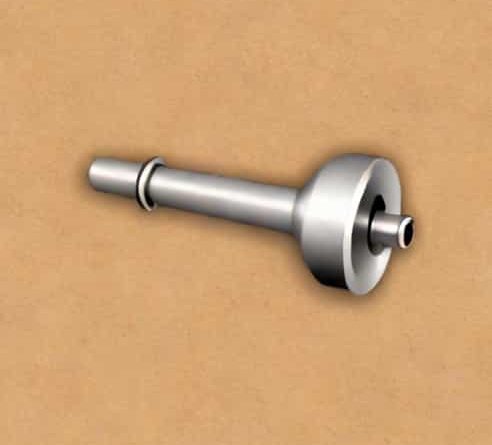
Large Countersink Bit For Wood
When working with wood, having the right tools can make a significant difference in the quality and efficiency of your projects. One essential tool for woodworking is the countersink bit, particularly large countersink bits designed for wood. These tools allow craftsmen, hobbyists, and DIY enthusiasts to create clean, precise holes that accommodate screw heads, preventing splitting and ensuring a smooth, professional finish. Understanding how to choose, use, and maintain a large countersink bit for wood can greatly improve your woodworking results.
What is a Large Countersink Bit?
A large countersink bit is a specialized drill bit designed to create a conical hole in wood. This hole allows the head of a screw or bolt to sit flush or slightly below the surface, creating a clean appearance and preventing protrusions that could interfere with other materials. Large countersink bits differ from standard bits in their diameter and depth capabilities, making them suitable for larger screws or projects that require more substantial fasteners. They are particularly useful in cabinetry, furniture making, decking, and other woodworking applications.
Types of Countersink Bits for Wood
There are several types of countersink bits designed for woodworking, each with specific applications and benefits
- Single-Flute Countersink BitsThese are simple, economical options suitable for light woodworking tasks. They provide smooth cuts but may require more effort for larger holes.
- Multi-Flute Countersink BitsEquipped with two or more flutes, these bits offer faster cutting and a cleaner finish, ideal for hardwoods and larger screws.
- Adjustable Countersink BitsThese allow the user to control the depth of the countersink, offering versatility for different screw sizes and wood thicknesses.
- Combination Drill and Countersink BitsThese bits combine a pilot drill with a countersink, allowing for a single-step operation that saves time and ensures accuracy.
Choosing the Right Large Countersink Bit
Selecting the appropriate large countersink bit for wood involves several considerations. First, consider the size of the screws you intend to use. Larger screws require bits with a wider diameter and deeper countersink. The type of wood is also important, as hardwoods may need stronger, sharper bits to avoid burning or tearing the wood fibers. Material quality, such as high-speed steel or carbide-tipped bits, affects durability and cutting efficiency. Additionally, consider the shank type, whether it is straight or hexagonal, which influences compatibility with your drill.
Factors Affecting Performance
The performance of a large countersink bit depends on several key factors
- SharpnessA sharp cutting edge ensures clean holes and reduces the risk of splintering.
- SpeedProper drilling speed prevents overheating and ensures smooth cuts, especially in hardwoods.
- AngleCommon countersink angles include 82 and 90 degrees, chosen based on the screw head type for optimal fit.
- StabilityUsing a drill guide or jig can improve precision and reduce wobbling for large holes.
Using a Large Countersink Bit Safely and Effectively
Proper technique is crucial when using a large countersink bit for wood. Start by marking the location of the hole and securing the wood to prevent movement. Use a pilot hole if necessary, particularly for larger screws, to guide the countersink bit and prevent splitting. Hold the drill steadily and apply consistent pressure, allowing the bit to cut gradually. Avoid forcing the bit too quickly, as this can damage the wood or the tool. Once the countersink is complete, clean the hole of debris to ensure the screw sits flush and the finish remains smooth.
Common Applications
Large countersink bits are widely used in woodworking projects where aesthetics and functionality are critical
- Cabinetry and FurnitureEnsures screws sit flush for a polished appearance and prevents damage to visible surfaces.
- Decking and Outdoor ProjectsProvides a smooth surface for boards, reducing the risk of tripping or snagging on protruding screws.
- Wooden Frames and JoineryEnhances structural integrity by allowing fasteners to embed securely without splitting the wood.
- DIY Home ProjectsUseful for assembling shelving, tables, and decorative woodwork where clean finishes are desired.
Maintaining Your Countersink Bit
To extend the life of a large countersink bit, proper maintenance is essential. Regularly clean the bit after use to remove sawdust and resin buildup. Sharpen the cutting edges as needed using appropriate sharpening tools or services. Store bits in a protective case to avoid damage or corrosion. Additionally, avoid overheating by using the correct drilling speed and allowing the bit to cool during prolonged use. Proper care ensures consistent performance and longevity, saving money and improving project outcomes over time.
Tips for Best Results
To achieve optimal results with a large countersink bit
- Always drill a pilot hole for large screws to reduce splitting and guide the countersink bit.
- Use clamps to secure your workpiece and prevent movement during drilling.
- Apply steady, moderate pressure to allow the bit to cut efficiently without damaging the wood.
- Test on scrap wood before drilling your final piece to ensure proper depth and angle.
- Consider lubrication for hardwoods to reduce friction and extend bit life.
Large countersink bits for wood are essential tools for achieving professional-quality woodworking results. They enable screws to sit flush, enhance the appearance of finished projects, and prevent damage to the wood. Choosing the right bit, understanding its proper use, and maintaining it carefully can significantly improve the efficiency and quality of your work. Whether for cabinetry, furniture, decking, or DIY projects, a well-selected large countersink bit is an investment that provides lasting benefits for any woodworking enthusiast. By following proper techniques and maintenance practices, woodworkers can ensure clean, precise holes and durable, visually appealing outcomes for years to come.