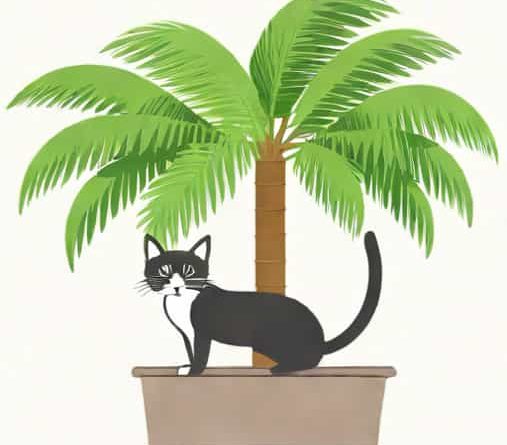
Are Majesty Palms Toxic To Cats
Majesty palms are popular indoor plants known for their elegant, feathery fronds and tropical appearance. Many pet owners love incorporating these palms into their home décor, but a common concern arises when cats share the household. Understanding whether majesty palms are toxic to cats is crucial for ensuring the safety and well-being of your feline companions. Cats are naturally curious and may nibble on houseplants, so knowing which plants are safe or harmful can prevent accidental poisoning and serious health issues. This topic explores the safety of majesty palms, potential risks, symptoms of toxicity, and tips for creating a cat-friendly indoor environment.
What Are Majesty Palms?
Majesty palms, scientifically known asRavenea rivularis, are native to Madagascar. They are admired for their long, arching fronds that can add a touch of tropical beauty to living spaces. These palms thrive in bright, indirect light and require regular watering to maintain their lush green appearance. As indoor plants, they are generally low-maintenance and visually appealing, making them a common choice for households with pets and children. However, like many indoor plants, their safety around cats requires careful consideration.
Are Majesty Palms Toxic to Cats?
According to veterinary sources, majesty palms are considered non-toxic to cats. This means that if a cat occasionally bites or chews on the fronds, it is unlikely to cause serious harm or poisoning. The American Society for the Prevention of Cruelty to Animals (ASPCA) lists majesty palms as safe for cats, dogs, and other pets. While ingestion may lead to minor digestive upset in some cases, such as mild vomiting or diarrhea, there are no reports of severe toxicity associated with this plant.
Potential Risks of Cats Chewing on Majesty Palms
Even though majesty palms are non-toxic, it is important to recognize that chewing on plants can still pose risks for cats. Cats may experience mild stomach upset if they ingest too much plant material. Additionally, there is a risk of physical injury, such as cuts or irritation from the fibrous fronds. Ingesting large amounts of plant matter may also lead to gastrointestinal blockages, which can be serious and require veterinary attention. Therefore, while the plant itself is safe, moderation and supervision are important.
Symptoms of Plant-Related Digestive Upset
If a cat consumes parts of a majesty palm, they may display minor symptoms, including
- Vomiting or regurgitation
- Diarrhea or soft stools
- Mild drooling
- Lethargy or reduced activity
- Temporary loss of appetite
These symptoms are usually short-lived and resolve on their own. However, if vomiting or diarrhea persists for more than 24 hours, or if the cat shows signs of distress, lethargy, or pain, it is important to consult a veterinarian for advice and possible treatment.
Preventing Cats from Damaging Majesty Palms
Even though majesty palms are non-toxic, pet owners often want to prevent their cats from chewing on plants to avoid digestive upset or damage to the plant. There are several strategies to keep cats away from indoor plants safely
Placement and Accessibility
Place majesty palms in areas that are difficult for cats to reach, such as high shelves, hanging planters, or rooms with restricted access. Elevating the plant can reduce the likelihood of the cat nibbling on the fronds while still allowing the plant to receive adequate light.
Deterrents
Use safe deterrents such as
- Double-sided tape around the base of the plant pot, which cats dislike stepping on
- Natural sprays with citrus or bitter flavors that discourage chewing
- Decorative rocks or mulch on the soil surface to make it less appealing for digging or chewing
Providing Alternatives
Cats often chew on plants out of curiosity or boredom. Providing safe alternatives, such as cat grass, catnip, or interactive toys, can redirect their attention away from indoor plants. Engaging in regular play and environmental enrichment can also reduce the likelihood of plant chewing behaviors.
Benefits of Majesty Palms for Cat Owners
While majesty palms do require care, they offer several advantages for households with cats. Their non-toxic status provides peace of mind, and they can improve indoor air quality by filtering pollutants. Majesty palms also contribute to a calming and aesthetically pleasing environment, which can benefit both pets and owners. By combining plant care with safe pet management practices, cat owners can enjoy the beauty of indoor palms without compromising safety.
Maintaining Healthy Majesty Palms
To ensure that majesty palms thrive in a home with cats, owners should follow proper care guidelines
- Provide bright, indirect sunlight to promote healthy growth
- Maintain consistent soil moisture, avoiding both overwatering and drought
- Fertilize occasionally with a balanced, non-toxic fertilizer
- Remove any dead or damaged fronds to prevent accidental ingestion
- Regularly inspect the plant for pests, as cats may be attracted to insects or damaged foliage
When to Seek Veterinary Advice
Even though majesty palms are safe for cats, owners should remain vigilant for unusual behaviors or signs of illness. If a cat shows persistent vomiting, diarrhea, lethargy, or signs of gastrointestinal discomfort after interacting with a plant, consulting a veterinarian is recommended. Veterinary professionals can provide advice on treatment, hydration, and monitoring to ensure the cat recovers fully. In general, responsible pet management and plant placement minimize risks and maintain a safe environment for both cats and plants.
Majesty palms are non-toxic to cats, making them a safe option for indoor plant enthusiasts who share their homes with feline companions. While ingestion may cause minor digestive upset in some cases, the plant does not contain harmful toxins. Pet owners can further reduce risks by placing palms out of reach, using safe deterrents, and providing alternative forms of enrichment for cats. By understanding the interaction between pets and plants, cat owners can enjoy the beauty and benefits of majesty palms while ensuring the health and safety of their pets. Overall, majesty palms can be a safe and attractive addition to a cat-friendly home when proper precautions are taken.