Family Washed Away In Lonavala
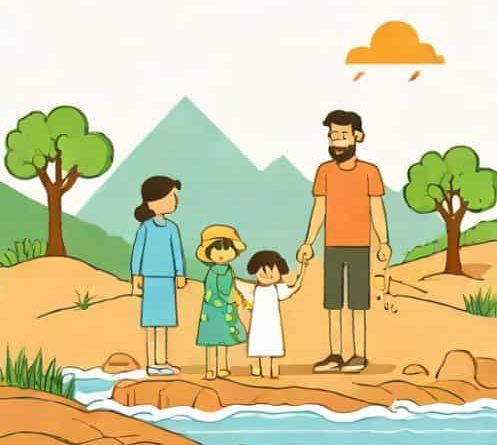
On a seemingly ordinary day amid lush hills and monsoon rains in Lonavala, a family’s picnic turned into a tragic disaster when powerful currents swept them away at a waterfall near the Bhushi Dam. Their laughter and excitement gave way to screams and panic as water levels surged suddenly. This heartbreaking incident, widely reported and deeply felt across the region, draws attention not only to the vulnerabilities travelers face in nature but also to the urgent need for safety, awareness, and preventive measures in tourist hotspots.
Overview of the Incident
On June 30, 2024, members of an extended family from Pune visited Lonavala for a picnic near the Bhushi Dam waterfall. Heavy rains had swelled water flow in the region, and unexpectedly, the currents intensified. Several family members were caught off guard by the sudden surge. Reports indicate that out of a group of around 16 to 17 people, ten were swept into the torrent. Of them, five were rescued, while five tragically lost their lives.
Who Was Involved?
The family belonged to the Ansari, Khan, and Sayyad groups from Pune’s Hadapsar and Sayyad Nagar areas. Among those lost were a 36-year-old woman, two girls aged 13 and 8, and possibly others including younger children aged 4 and 9. The newlywed couple in the group survived the ordeal and were hospitalized.
Causes and Contributing Factors
The tragedy was not merely a freak accident; several compounding factors played a role in turning a recreational outing into a disaster. Understanding them is vital to preventing repeat incidents.
Heavy Rainfall and Swollen Water
Continuous rain preceded the event, causing the dam backwaters and waterfall to swell rapidly. The sudden increase in flow overwhelmed areas that normally seem benign.
Underestimation of Risk
The family, like many tourists, likely underestimated how volatile monsoon-fed waterfalls can become. They may have felt safe standing on rocks or near the water, unaware of how swiftly water levels could rise.
Lack of Safety Infrastructure
Reports noted that warning signs, lifeguards, or security barriers were absent at the site. There was no visible arrangement to prevent people from entering risky areas of the waterfall. In some instances, people were seen standing on dam edges or near waterfalls without restraint or supervision.
Rescue Efforts and Recovery
As news of the incident spread, local residents, police, and rescue teams rushed to assist. They used ropes, trekking gear, and boats to search the river basin and banks downstream.
Bodies of the 36-year-old woman and two girls (13 and 8) were recovered in backwater zones of the dam. The search continued for other missing children, with hopes of locating survivors.
Support and Relief Measures
In the aftermath, state authorities announced compensation of approximately ₹5 lakh (Indian rupees) for each family member lost in the tragedy. These relief funds aimed to provide some financial support to the grieving families.
Impact on Public Perception and Safety Reforms
This tragedy reignited public debate over tourist safety at natural sites, especially during the monsoon season. Locals, activists, and policymakers urged stricter safety enforcement and infrastructure improvements in picnic destinations.
Regulations and Prohibitory Orders
Following the incident, prohibitory orders were imposed on many tourist hotspots including Bhushi Dam, Pavana Dam, and waterfalls in the region. These orders banned or restricted access to dangerous water zones during peak rainfall periods.
Calls for Better Safety Measures
There has been pressure to introduce lifeguards, safety chains, warning signage, and staff training around waterfalls and dams. Many believe that visible safety measures and disciplined visitor management can prevent future disasters.
Lessons to Learn
Tragedies like the one in Lonavala offer sobering lessons for travelers, local authorities, and communities. Key takeaways include
- Be cautious near water during monsoonsEven seemingly calm water bodies can shift violently after rainfall.
- Follow local guidance and warningsIf authorities restrict access or issue alerts, heed them seriously.
- Avoid risky zonesRocks, submerged ledges, or flowing water edges can be dangerously deceptive.
- Demand safety infrastructureEncourage installation of signage, barriers, and lifeguards in natural tourist areas.
- Travel in groups and maintain vigilanceStay alert to environmental changes, especially during treks and near rivers or waterfalls.
Broader Context Drowning Hazards in Tourist Sites
Drowning accidents in natural settings often occur because of unexpected water surges, sudden drop-offs, or misjudged footing. Sites like dams, waterfalls, and river confluences become especially dangerous during rainy seasons. The Lonavala event joins a list of similar tragedies across regions where visitors underestimated the unpredictable nature of monsoon-fed currents.
Authorities around the world acknowledge that bridging the gap between tourist desire and natural safety requires planning, awareness, and regulation. Without proactive safety measures, beautiful landscapes can become perilous, particularly for unsuspecting travelers.
The story of the family washed away in Lonavala is a heartbreaking reminder of how fragile human life can be in the face of nature’s power. What started as a joyful picnic ended in sorrow and loss. The tragedy prompts reflection we must respect natural forces, ensure robust safety protocols in tourist zones, and travel with caution-especially when rains swell rivers and waterfalls. While the names of the lost will be remembered, their story should also drive change. If parks, dams, and waterfalls adopt stricter safety measures-lifeguards, signage, restricted access, and public education-future visitors may be spared similar pain. Let this tragedy serve both as remembrance and wake-up call to protect lives in nature’s embrace.