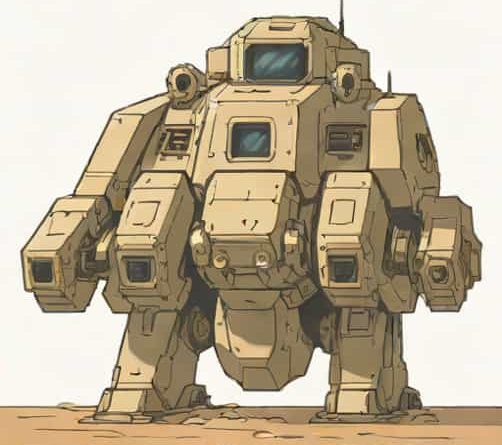
Ballistus Dreadnought Base Size
The Ballistus Dreadnought is one of the most iconic units in the Warhammer 40,000 universe, commanding attention not only for its firepower but also for its imposing presence on the battlefield. As a type of Dreadnought used primarily by the Blood Angels and other Space Marine chapters, the Ballistus variant is distinguished by its heavy weaponry, speed, and versatility. For players and hobbyists alike, understanding the base size of the Ballistus Dreadnought is essential, as it impacts movement, line of sight, area control, and overall battlefield strategy. This topic explores the significance of the Ballistus Dreadnought base size, its role in gameplay, assembly considerations, and strategic deployment in Warhammer 40,000 matches.
Understanding the Ballistus Dreadnought
The Ballistus Dreadnought is a specialized combat walker, equipped to provide both close-range and ranged support. Its design emphasizes mobility and firepower, making it a flexible unit capable of responding to multiple battlefield threats. Unlike other Dreadnought variants that are slower and heavily armored, the Ballistus Dreadnought combines speed with durable protection, allowing it to advance alongside troops while providing suppressive fire.
Key Features and Armament
- Heavy flamer and multi-melta options for devastating anti-armor attacks.
- Assault weaponry suited for close-quarter engagements, including close combat fists or power weapons.
- Enhanced sensors for improved targeting and battlefield awareness.
- Sturdy armor plating designed to absorb significant enemy fire.
These features make the Ballistus Dreadnought a formidable opponent, capable of both offense and defense in varied combat scenarios.
The Importance of Base Size in Warhammer 40,000
In Warhammer 40,000, the base size of any miniature is crucial. It determines how the model interacts with other units, how much space it occupies, and the legal distance measurements for movement, combat, and line of sight. A Dreadnought with a larger base may have advantages in controlling space on the battlefield, while a smaller base could allow for greater maneuverability and flexibility in positioning. Understanding the correct base size is essential for tournament play and for ensuring that models comply with official rules.
Official Base Size for Ballistus Dreadnought
The Ballistus Dreadnought typically uses a round 60mm base. This is slightly larger than the standard 50mm base used for many smaller Dreadnought variants, reflecting its larger frame and enhanced weapon systems. The 60mm base accommodates the bulkier legs and weapon mounts of the Ballistus variant, ensuring that the model remains stable and visually proportional.
Strategic Implications of Base Size
The 60mm base size of the Ballistus Dreadnought has several tactical implications during gameplay. Larger bases provide more stability for miniatures and prevent tipping, which is particularly important for taller models with extended weapon systems. Additionally, a larger base affects how the Dreadnought can engage multiple enemies and how it interacts with terrain features, such as ruins, barricades, and other obstacles.
Advantages on the Battlefield
- Area DenialThe larger base can block enemy movement, controlling critical areas of the battlefield.
- Unit InteractionHelps in contact-based mechanics, such as grappling, charging, and overwatch triggers.
- VisibilityEasier to measure line of sight and target opponents effectively.
- StabilityReduces the risk of models falling over during play.
Potential Limitations
- Reduced maneuverability in tight spaces due to larger footprint.
- Difficulty fitting into certain terrain features or narrow pathways.
- Increased visibility makes the unit an easier target for enemy fire.
Understanding these trade-offs helps players deploy the Ballistus Dreadnought more effectively, balancing its strengths and weaknesses in various scenarios.
Modeling and Assembly Considerations
For hobbyists assembling the Ballistus Dreadnought, the base size influences how the model is posed and painted. Using the correct 60mm base ensures that weapon placements, stance, and overall aesthetics are proportionate. Many players use scenic bases to enhance the visual impact of their Dreadnoughts, incorporating terrain elements like rubble, battle damage, and environmental details.
Customizing the Base
- Adding debris or battlefield elements to create a thematic display.
- Painting base edges to match army color schemes for a cohesive look.
- Using resin or plastic bases designed specifically for larger Dreadnought variants.
Properly basing the Ballistus Dreadnought not only ensures compliance with tournament rules but also enhances the visual appeal of the miniature.
Deployment Tips for the Ballistus Dreadnought
In Warhammer 40,000 gameplay, positioning the Ballistus Dreadnought effectively can maximize its strengths. The larger base allows the model to dominate choke points and engage multiple enemy units. Here are several deployment strategies
Frontline Support
Positioning the Dreadnought near advancing infantry provides fire support while leveraging its durability to absorb incoming attacks. Its 60mm base allows it to occupy strategic positions effectively.
Flanking Maneuvers
The Ballistus Dreadnought’s mobility can be used to flank slower enemy units. Using its base to measure optimal movement ensures that it engages effectively without overextending and becoming isolated.
Cover Utilization
Large bases can sometimes restrict movement in dense terrain, but careful placement behind cover can enhance survivability while maintaining line of sight for ranged attacks.
The Ballistus Dreadnought is a powerful and versatile unit in Warhammer 40,000, and understanding its base size is critical for both gameplay and modeling. With a standard 60mm base, this Dreadnought offers stability, battlefield presence, and proper scaling for its weapons and armor. The base size affects tactical deployment, movement, line of sight, and area control, making it an essential consideration for competitive and casual players alike. Proper assembly, basing, and deployment strategies ensure that the Ballistus Dreadnought can perform at its best, whether engaging enemies, supporting infantry, or holding strategic points on the battlefield. By understanding the implications of the base size, players can maximize both the effectiveness and the visual impact of this iconic Warhammer 40,000 unit.