Que Devient La Famille Poussin
When people come across the phrase que devient la famille Poussin, curiosity often arises about what has happened to this family and why their story continues to attract attention. The expression, rooted in French, literally translates to what has become of the Poussin family, and it invites both cultural reflection and an exploration of continuity within families across time. Whether interpreted in a literal sense about a specific family or understood as a broader cultural question, this phrase opens doors to themes of heritage, change, and the way stories of families remain relevant across generations. In this topic, we will explore the meaning, historical background, possible references, and cultural significance surrounding this intriguing phrase, while also connecting it to universal ideas of family identity and legacy.
Understanding the Phrase
The French phrase que devient la famille Poussin can be broken down into two important parts. First, que devient means what has become of or what is happening with. It is commonly used to ask about the current state or future of a person, a group, or even an idea. The second part, la famille Poussin, refers to the Poussin family. Taken together, the expression suggests a natural curiosity about how the family is doing, what their present situation is, and whether they still play a role in society or culture.
The Literal and Figurative Use
On a literal level, the phrase could refer to a real family named Poussin and invite a discussion about their descendants, achievements, or challenges. Figuratively, however, it can symbolize the fate of any family over time. Families grow, separate, adapt, or fade from prominence, and asking que devient la famille Poussin is a way of highlighting that inevitable journey.
Historical Associations of the Name Poussin
When hearing the name Poussin, many immediately think of Nicolas Poussin, the famous French Baroque painter from the 17th century. His legacy in the art world remains powerful, and his surname evokes cultural weight. While the phrase que devient la famille Poussin does not necessarily refer to Nicolas Poussin’s direct family line, the association enriches the phrase by tying it to themes of heritage and the endurance of reputation.
Poussin in French Language and Culture
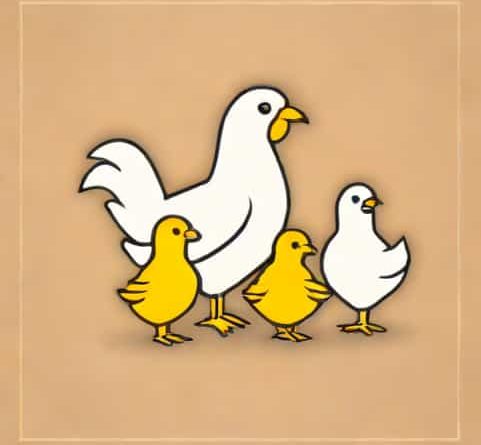
Interestingly, poussin in French also means chick (a young chicken). This adds a layer of symbolism. A famille Poussin could be imagined as a family of chicks, small and vulnerable yet destined to grow and develop. Some writers and storytellers play with this dual meaning, using the phrase in literature or entertainment to refer both to a family name and to symbolic growth.
Possible Popular Culture References
In recent years, the phrase que devient la famille Poussin has occasionally appeared in media discussions, online forums, and cultural commentary. Sometimes it is used humorously, while in other cases it is presented as a serious inquiry. The idea of wondering about the destiny of a family resonates with universal experiences people move, traditions change, and names that once carried recognition may slowly fade. Asking about the Poussin family reflects this broader human curiosity about continuity and change.
The Family as a Symbol of Change
Throughout history, families have served as the cornerstone of identity, memory, and legacy. By asking que devient la famille Poussin, one raises questions that apply to countless other families
- How do traditions survive across generations?
- What happens when younger generations take different paths from their ancestors?
- How do families remain visible or fade from history?
- In what ways do names, values, or contributions endure beyond individuals’ lives?
Cultural Significance of the Question
The act of asking about a family highlights an enduring cultural value people want to maintain connection with the past. Families represent more than biological ties; they embody collective memory, community bonds, and the sense of belonging. Que devient la famille Poussin is not just about one surname, but about the timeless question of how families navigate change while preserving identity.
Reflection in Literature and Society
French literature and cinema often explore similar themes, focusing on generational shifts and the fate of family legacies. By using a phrase like que devient la famille Poussin, writers and thinkers capture the tension between permanence and transformation. The family serves as both a private unit and a mirror of social change, and the question itself becomes a doorway to reflection.
Broader Interpretations of Family Legacy
Even for those unfamiliar with the specific reference, the phrase invites broader reflection about one’s own family. Many people wonder what will become of my family in the future? Will traditions be remembered? Will achievements be carried forward? Or will time gradually blur the details of our stories? These questions resonate universally, transcending cultural and linguistic boundaries.
Generational Continuity
Families often face the challenge of maintaining continuity in the face of modern change. Migration, globalization, and technological advances alter the way families function. The curiosity embedded in que devient la famille Poussin reflects the universal concern with whether or not heritage will remain intact. It underlines the importance of storytelling, memory keeping, and passing down values across generations.
The Emotional Impact of the Question
On a more personal level, the question carries emotional weight. Asking about a family touches on feelings of nostalgia, longing, and connection. Whether one is speaking about the Poussin family specifically or families in general, the inquiry sparks a mix of hope and concern. It acknowledges that time brings change but also suggests that memory and legacy are worth preserving.
Symbolism of Continuity and Transformation
The Poussin name, whether linked to art, symbolism, or everyday life, becomes a symbol of continuity. Families evolve, yet they are shaped by the past. Asking what has become of them is another way of recognizing that transformation is natural, but curiosity about origins always remains.
Why the Phrase Still Matters
Que devient la famille Poussin remains a powerful phrase because it is more than a casual question. It is a cultural, symbolic, and emotional inquiry that applies both to specific families and to humanity as a whole. It speaks to our shared desire to understand where we come from, what remains of us in the present, and how our legacy will carry forward into the future. Whether taken literally as a curiosity about a family bearing the name Poussin, or figuratively as a reflection on the fate of all families, the phrase continues to hold relevance in conversations about heritage, memory, and identity.
Ultimately, by exploring the meaning and implications of que devient la famille Poussin, we are reminded that families are not only private entities but also cultural symbols. They reflect the movement of history, the persistence of values, and the fragile yet enduring threads that connect generations. This curiosity about the Poussin family is, in truth, a curiosity about ourselves and the lasting stories we wish to tell.