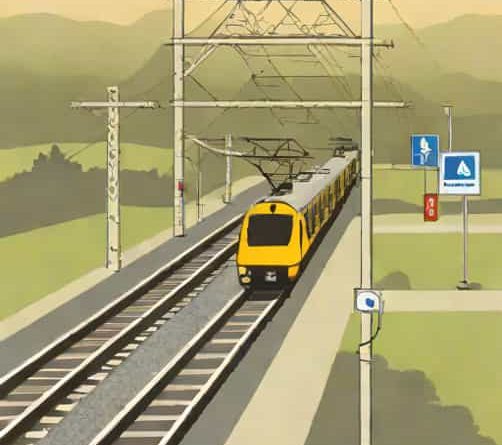
Bolton To Wigan Electrification
The electrification of the Bolton to Wigan railway line is a major infrastructure project aimed at improving connectivity, efficiency, and sustainability in the North West of England. By upgrading the line from diesel-powered trains to electric trains, the project promises faster journeys, reduced carbon emissions, and increased capacity for passengers and freight. This initiative is part of a broader strategy to modernize the UK rail network, enhance regional transport links, and support economic growth in towns like Bolton, Wigan, and surrounding areas. Understanding the details of the Bolton to Wigan electrification project, its benefits, challenges, and timeline provides insight into how modern rail infrastructure contributes to sustainable transportation and regional development.
Overview of the Bolton to Wigan Line
The Bolton to Wigan railway line is a key regional route connecting two important towns in Greater Manchester and Lancashire. Historically, this line has been served by diesel trains, which are less efficient and slower compared to modern electric trains. The route not only serves local commuters but also supports freight transport, making it a critical component of regional mobility. Upgrading this line through electrification is expected to bring significant operational improvements and environmental benefits.
Route and Key Stations
The Bolton to Wigan line covers a distance of approximately 16 miles and includes several key stations along the route. Notable stops include
- Bolton Station a major hub connecting with Manchester and other destinations
- Westhoughton Station serving residential communities
- Hindley Station connecting commuters to local towns
- Wigan North Western and Wigan Wallgate providing regional connectivity
Electrification of the line will improve service frequency and reliability at all these stations, enhancing the passenger experience.
Purpose and Benefits of Electrification
The primary goal of the Bolton to Wigan electrification is to replace diesel-powered trains with electric trains, which offer faster acceleration, higher reliability, and lower operating costs. Electrification also contributes to environmental sustainability by reducing carbon emissions and improving air quality in towns and cities along the route.
Environmental Benefits
Electric trains produce significantly less pollution compared to diesel trains. By reducing greenhouse gas emissions and particulate matter, electrification supports government targets for net-zero carbon emissions. Cleaner trains also improve air quality for local communities, particularly in densely populated areas around Bolton and Wigan.
Improved Service and Reliability
Electric trains can accelerate and decelerate more efficiently than diesel trains, reducing journey times and improving punctuality. Electrification also allows for more frequent services, which benefits daily commuters and reduces congestion on other transport modes such as roads and buses.
Economic and Social Impact
The electrification project is expected to stimulate economic growth by improving access to jobs, education, and leisure opportunities. Faster and more reliable train services attract investment, increase tourism, and enhance the quality of life for local residents. Additionally, improved freight capacity supports businesses in the region, helping to create a more resilient local economy.
Technical Aspects of Electrification
Electrifying a railway involves a range of technical upgrades, from installing overhead line equipment (OLE) to modifying stations and signaling systems. The Bolton to Wigan project incorporates these elements to ensure the line meets modern standards for safety, performance, and reliability.
Overhead Line Equipment
Overhead line equipment consists of wires, poles, and associated infrastructure that deliver electricity to trains. Installing OLE requires precise engineering to maintain safety clearances, integrate with existing bridges and tunnels, and ensure consistent power supply along the route.
Track and Infrastructure Upgrades
Electrification also necessitates improvements to tracks, bridges, and tunnels to accommodate electric trains. In some cases, track realignment, bridge modifications, and platform adjustments are required to ensure safe operation. These upgrades enhance both the safety and efficiency of the railway.
Signaling and Control Systems
Modern electric trains require updated signaling and control systems to manage increased speeds and higher service frequencies. Upgrading these systems ensures smooth operations, minimizes delays, and allows for better coordination of passenger and freight services.
Challenges and Considerations
While the benefits of the Bolton to Wigan electrification are clear, the project also faces several challenges. Managing construction in an active railway environment, ensuring minimal disruption to passengers, and addressing engineering complexities are critical to the project’s success.
Construction and Service Disruptions
Electrifying a railway while maintaining service requires careful planning. Temporary closures, engineering works, and alternative transport arrangements are necessary to minimize inconvenience to passengers. Clear communication with the public is essential to manage expectations and ensure safety during construction.
Engineering and Environmental Challenges
The installation of overhead lines near existing infrastructure, such as bridges and stations, can be technically demanding. Environmental considerations, including the protection of local wildlife and minimization of noise pollution, must also be addressed throughout the project.
Cost and Funding
Electrification projects require significant investment, often involving both government funding and private sector contributions. Efficient project management, cost control, and phased implementation are important to ensure that the project delivers value for money while meeting deadlines.
Timeline and Current Status
The Bolton to Wigan electrification project has been planned as part of a broader initiative to modernize the UK rail network. Timelines typically include phases such as planning, design, site preparation, infrastructure installation, testing, and commissioning. Each stage is critical to ensure that the line is fully operational and safe for passenger and freight services.
Future Prospects
Once completed, the electrified line will support faster, greener, and more reliable train services. It will enhance regional connectivity, support economic growth, and contribute to the UK’s broader sustainability goals. Continued investment in maintenance and upgrades will ensure that the benefits of electrification are sustained over the long term.
The Bolton to Wigan electrification project represents a significant step forward for the North West rail network, offering improved service, reduced environmental impact, and stronger regional connectivity. By transitioning from diesel to electric trains, the line will provide faster, cleaner, and more reliable transport for commuters and freight operators alike. While the project involves technical and logistical challenges, its long-term benefits for passengers, local economies, and sustainability objectives are substantial. Understanding the scope, benefits, and implementation of this electrification effort highlights the critical role modern rail infrastructure plays in supporting economic development and environmental goals across the region.