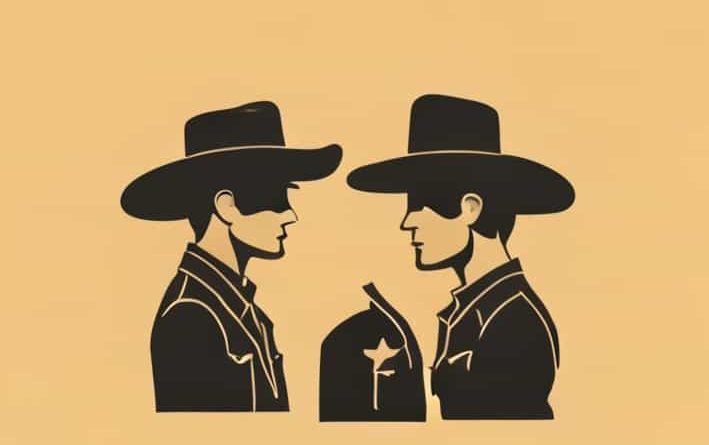
Cowboys Are Secretly Fond Of Each Other
The idea that cowboys are secretly fond of each other may sound surprising at first, especially when viewed through the traditional image of the lone, rugged cowboy riding across open plains. Popular culture has long portrayed cowboys as stoic, emotionally reserved figures who rely only on themselves. However, when we look closer at history, daily ranch life, and the realities of survival in harsh environments, a different picture begins to emerge. Beneath the tough exterior, strong emotional bonds often formed, built on trust, loyalty, and shared hardship.
The Cowboy Image and Emotional Restraint
The classic cowboy stereotype emphasizes independence, toughness, and emotional silence. Cowboys are often shown as men of few words, hardened by long days in the saddle and unpredictable dangers. This image left little room for open displays of affection or vulnerability.
Yet emotional restraint does not mean emotional absence. Cowboys depended on one another in ways that required deep mutual understanding. While they may not have spoken openly about their feelings, their actions often revealed a quiet fondness for their companions.
Life on the Trail Created Strong Bonds
Cowboy life was physically demanding and mentally exhausting. Long cattle drives could last for months, with cowboys spending nearly every waking hour together. They faced harsh weather, dangerous animals, and the constant risk of injury or death.
In such conditions, survival depended on cooperation. Cowboys had to trust one another completely, whether crossing rivers, guarding cattle at night, or responding to emergencies. Over time, this constant reliance naturally fostered close emotional connections.
Shared Hardship as a Foundation
Shared hardship is one of the strongest forces in building human connection. Cowboys slept under the same stars, ate the same simple meals, and endured the same exhaustion. These shared experiences created a sense of unity that went beyond simple teamwork.
Friendship Over Isolation
Despite the myth of the lone cowboy, most cowboys rarely worked alone. Ranches and cattle drives required groups of men working together daily. Within these groups, friendships formed naturally.
The idea that cowboys are secretly fond of each other becomes clearer when examining how they looked out for one another. A cowboy who fell ill or was injured could rely on his companions for care. This kind of concern reflects genuine affection, even if it was rarely expressed verbally.
Quiet Acts of Care and Loyalty
Cowboy fondness was often shown through actions rather than words. One cowboy might take an extra night watch so another could rest, or share food and supplies during hard times. These gestures were practical, but they also carried emotional weight.
Loyalty was especially important. Cowboys who worked together regularly developed strong bonds and preferred to ride with familiar faces. Trust and fondness grew together, reinforcing each other over time.
Examples of Cowboy Loyalty
- Defending a fellow cowboy during conflicts
- Sharing scarce resources without hesitation
- Returning to the same ranches to work with trusted companions
Masculinity and Unspoken Affection
The culture of the Old West placed strict expectations on masculinity. Open emotional expression was often discouraged, especially among men whose work required constant displays of strength and control.
As a result, cowboys learned to communicate care and fondness in subtle ways. A nod of understanding, a shared joke by the campfire, or silent companionship during long rides all carried meaning.
Cowboys in Letters and Journals
Historical letters and journals offer valuable insight into cowboy relationships. While public behavior emphasized toughness, private writings often revealed deep appreciation for fellow cowboys.
Some cowboys wrote fondly about their companions, describing them as dependable, kind, or brave. These written reflections suggest emotional bonds that were rarely acknowledged openly at the time.
Modern Interpretations of Cowboy Relationships
Today, the idea that cowboys are secretly fond of each other is being reexamined through a modern lens. Contemporary audiences are more open to discussing emotional connection and vulnerability among men.
Books, films, and academic studies now explore the emotional lives of cowboys more deeply. These interpretations highlight how companionship and mutual respect were essential parts of cowboy life.
Why This Perspective Matters
- It challenges outdated stereotypes about masculinity
- It humanizes historical figures often seen as symbols
- It emphasizes the importance of emotional bonds in survival
Cowboy Camaraderie in Popular Culture
While early Western films focused on solitary heroes, later stories began to explore cowboy friendships more openly. Partnerships, rivalries that turned into respect, and long-standing alliances became central themes.
These portrayals resonate because they reflect reality. Cowboys needed each other, and fondness naturally developed from shared purpose and mutual dependence.
The Difference Between Fondness and Romance
It is important to understand that being fond of someone does not necessarily imply romance. In the context of cowboy life, fondness often meant deep friendship, loyalty, and respect.
Cowboys relied on emotional connection to endure isolation and danger. Recognizing this does not rewrite history; instead, it adds depth and realism to our understanding of it.
Why the Idea Persists Today
The phrase cowboys are secretly fond of each other continues to capture attention because it contrasts with traditional imagery. It invites people to look beyond surface-level stereotypes and consider emotional truth.
As society becomes more open to discussing male friendship and emotional closeness, the cowboy becomes a powerful example of how strong bonds can exist even in the most rugged environments.
Lessons From Cowboy Relationships
The emotional connections between cowboys offer lessons that still apply today. Trust, loyalty, and quiet support are powerful forms of affection that do not require grand gestures.
In many ways, cowboy relationships remind us that fondness does not always need to be spoken to be real.
The idea that cowboys are secretly fond of each other reveals a deeper truth about human connection. Beneath the dust, danger, and discipline of cowboy life, strong emotional bonds quietly flourished. These connections were built on trust, shared hardship, and mutual respect. By looking beyond stereotypes, we gain a richer understanding of cowboys not just as symbols of toughness, but as people who depended on and cared deeply for one another in a challenging world.