How Long Did Gilgamesh And Enkidu Fight
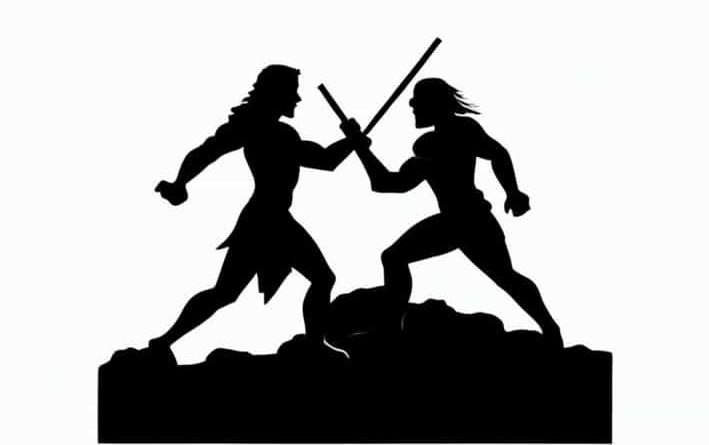
The Epic of Gilgamesh, one of the oldest known literary works, tells the story of the legendary king Gilgamesh and his companion Enkidu. One of the most memorable moments in this epic is their initial confrontation, where Gilgamesh and Enkidu engage in a fierce fight. Readers often wonder how long Gilgamesh and Enkidu fought, as this encounter is both intense and symbolic. The struggle between them is not just physical but also represents the clash of wild nature and civilized authority, strength and equality. Understanding the duration and significance of this battle helps readers appreciate its role in the development of their friendship and the broader themes of the epic.
The Context of the Fight Between Gilgamesh and Enkidu
The fight between Gilgamesh and Enkidu occurs early in the story, soon after Enkidu has been introduced to the city of Uruk. Created by the gods to challenge Gilgamesh’s oppressive rule, Enkidu initially embodies raw strength and untamed nature. When he enters Uruk, he confronts Gilgamesh, who is known for his own extraordinary power and arrogance. Their clash is a pivotal moment in the narrative, serving as both a test of strength and a catalyst for mutual respect. Understanding the context clarifies why this fight, despite being brief in terms of hours or days, has profound consequences for the characters.
The Duration of the Battle
The text of the Epic of Gilgamesh suggests that the fight between Gilgamesh and Enkidu lasts long enough to exhaust both warriors but does not specify exact hours or days. Scholars generally interpret the encounter as intense and prolonged, yet contained within a single confrontation. It is described in vivid detail, emphasizing the struggle, strength, and resilience of both characters. Although ancient texts do not provide precise measurements of time, it is understood that the fight was not a fleeting skirmish but a sustained, physical contest that tested their abilities to the fullest.
Symbolism Behind the Length of the Fight
The fight’s duration, though not explicitly quantified, carries significant symbolic weight. The struggle represents a balance of power and equality between two extraordinary beings. Their prolonged combat emphasizes endurance, determination, and mutual respect. The intensity of the battle also foreshadows the deep friendship that will develop between them. By engaging in a fight that is both challenging and exhausting, Gilgamesh and Enkidu establish a bond that transcends rivalry and sets the stage for cooperative adventures later in the epic.
The Physical and Emotional Impact
During the fight, both characters exert immense physical energy, showcasing their strength and resilience. This prolonged engagement leaves them exhausted but also mutually respectful. Emotionally, the battle transforms their relationship from adversaries to equals, highlighting themes of camaraderie, respect, and human connection. The struggle serves as a metaphor for the challenges individuals face when encountering forces equal to their own capabilities, emphasizing the idea that conflict can lead to personal growth and mutual understanding.
The Narrative Role of the Fight
The fight between Gilgamesh and Enkidu serves multiple narrative purposes in the epic. It establishes the heroic stature of both characters, provides dramatic tension, and sets the foundation for the central friendship of the story. The duration of the fight, while not explicitly measured in hours or days, is sufficient to achieve these narrative goals. By presenting a contest that tests strength, strategy, and endurance, the epic underscores the importance of personal challenges and the development of deep bonds through shared experiences.
Character Development Through Combat
The prolonged engagement between Gilgamesh and Enkidu highlights their respective traits and character arcs. Gilgamesh, initially portrayed as arrogant and domineering, learns humility and respect through the struggle. Enkidu, introduced as a wild and untamed figure, demonstrates loyalty, intelligence, and courage. Their fight serves as a turning point, allowing both characters to recognize each other’s strengths and to transition from conflict to collaboration. This transformation is essential for their subsequent quests and adventures, including the journey to confront Humbaba and the Bull of Heaven.
Lessons and Themes Derived from the Fight
The fight between Gilgamesh and Enkidu, regardless of its exact duration, conveys important lessons and themes that resonate throughout the epic. The prolonged contest highlights
- The value of equality and mutual respect in relationships.
- The idea that strength and courage are best tested through fair challenges.
- The transformative power of conflict in building enduring friendships.
- The balance between human ambition and the wisdom of restraint.
- The integration of natural instinct with civilized conduct.
How Scholars Interpret the Battle
Scholars studying the Epic of Gilgamesh often note that the fight is less about exact timing and more about its narrative and thematic significance. While modern readers may seek precise durations, ancient storytelling focuses on the intensity, the struggle, and the eventual outcome-mutual respect and friendship. The fight’s portrayal emphasizes heroism, endurance, and character growth, reinforcing the epic’s broader messages about life, mortality, and human relationships.
The Aftermath of the Fight
After their intense battle, Gilgamesh and Enkidu cease fighting and form a deep friendship. This immediate transformation illustrates how the contest, regardless of its temporal length, has a lasting impact. The aftermath demonstrates that true bonds often emerge from challenges and shared trials. Their subsequent adventures together rely on the trust and understanding built during this pivotal encounter, emphasizing that the fight was a necessary step in their personal and collective growth.
Subsequent Adventures Highlighting Their Bond
Following their fight, Gilgamesh and Enkidu embark on dangerous quests, including the confrontation with Humbaba and the Bull of Heaven. Their ability to collaborate effectively relies on the lessons learned during their initial struggle. The fight’s intensity prepared them for teamwork, strategic thinking, and mutual support. These adventures further illustrate that the significance of their battle lies not in its literal duration but in the enduring consequences for character development and narrative progression.
While the Epic of Gilgamesh does not provide an exact timeline, the fight between Gilgamesh and Enkidu is understood to be a prolonged and intense encounter. Its importance lies in the symbolic, emotional, and narrative impact rather than in precise hours or days. The struggle represents a meeting of equals, a test of strength, and a transformative moment that leads to lasting friendship. By examining the fight’s significance, readers gain insight into the themes of camaraderie, respect, and personal growth that permeate the epic. The encounter demonstrates that challenges, whether measured in time or intensity, have the power to forge meaningful connections and shape heroic journeys, making it one of the most memorable moments in ancient literature.