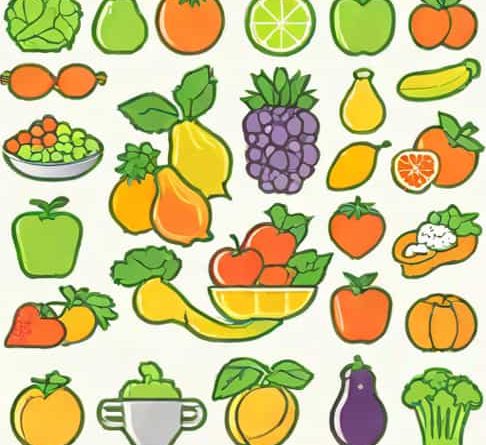
Daily Servings Of Fruits And Vegetables
Daily servings of fruits and vegetables play an important role in maintaining overall health, energy levels, and long-term well-being. Many people know they should eat more fruits and vegetables, but they are often unsure how much is enough or why it truly matters. These natural foods are rich in vitamins, minerals, fiber, and plant compounds that support the body in countless ways. Understanding daily servings of fruits and vegetables can help individuals make better food choices without feeling overwhelmed or restricted.
What Are Daily Servings of Fruits and Vegetables?
A daily serving of fruits and vegetables refers to a standardized portion size used to measure how much produce a person consumes in a day. These servings help guide balanced eating habits and make nutritional recommendations easier to follow.
While serving sizes may vary slightly depending on dietary guidelines, a general serving often equals one medium fruit, half a cup of chopped fruits or vegetables, or one cup of leafy greens. The goal is not perfection, but consistency over time.
Why Fruits and Vegetables Are Essential
Fruits and vegetables provide essential nutrients that the body cannot produce on its own. They are also low in calories compared to many processed foods, making them ideal for maintaining a healthy weight.
Regular intake supports digestion, immune function, heart health, and mental clarity. The variety of colors found in fruits and vegetables reflects different nutrients, each offering unique benefits.
Key Nutrients Found in Fruits and Vegetables
- Vitamins such as A, C, K, and several B vitamins
- Minerals including potassium, magnesium, and iron
- Dietary fiber for digestive health
- Antioxidants that protect cells from damage
Recommended Daily Servings
Nutrition experts often suggest aiming for multiple servings of fruits and vegetables each day. A common recommendation is to fill half of your plate with fruits and vegetables at each meal.
This approach naturally increases daily servings of fruits and vegetables without the need for detailed counting. The emphasis is on balance and variety rather than strict rules.
General Daily Guidelines
Although needs vary by age, activity level, and health goals, many adults benefit from
- 2 to 3 servings of fruit per day
- 3 to 5 servings of vegetables per day
These numbers can be adjusted based on individual preferences and dietary patterns.
The Difference Between Fruits and Vegetables
While both fruits and vegetables are nutritious, they offer slightly different benefits. Fruits are often higher in natural sugars and provide quick energy, while vegetables tend to be lower in sugar and higher in certain minerals.
Including both ensures a wider range of nutrients and flavors, making meals more enjoyable and satisfying.
Benefits of Meeting Daily Servings of Fruits and Vegetables
Consistently meeting daily servings of fruits and vegetables can lead to noticeable improvements in overall health. These benefits often develop gradually and become more apparent over time.
Physical Health Benefits
- Improved digestion and gut health
- Better heart health and circulation
- Support for healthy blood pressure levels
- Stronger immune system
Mental and Emotional Well-Being
Research suggests that diets rich in fruits and vegetables are associated with improved mood and cognitive function. Nutrients such as antioxidants and folate support brain health and may reduce feelings of fatigue.
Common Challenges in Eating Enough Produce
Despite knowing the benefits, many people struggle to reach their daily servings of fruits and vegetables. Busy schedules, limited access, and habits formed around processed foods can make it difficult.
Another challenge is the misconception that eating healthy requires complicated recipes or expensive ingredients.
Barriers People Often Face
- Lack of time for meal preparation
- Limited variety in daily meals
- Preference for processed or fast foods
- Uncertainty about portion sizes
Simple Ways to Increase Daily Servings
Increasing daily servings of fruits and vegetables does not have to be difficult. Small changes can make a big difference over time.
Easy Practical Tips
- Add fruit to breakfast, such as bananas or berries
- Include vegetables in sandwiches and wraps
- Snack on fresh fruit instead of packaged snacks
- Add an extra vegetable side to lunch or dinner
These habits gradually build a routine where fruits and vegetables become a natural part of daily meals.
Fresh, Frozen, and Cooked Options
Fresh produce is often considered ideal, but frozen and cooked fruits and vegetables can be just as nutritious. Freezing preserves nutrients, and cooking can make some vegetables easier to digest.
The most important factor is regular consumption, regardless of form.
Variety and Color Matter
Eating a wide variety of fruits and vegetables helps ensure a balanced intake of nutrients. Different colors often indicate different beneficial compounds.
Examples of Color Benefits
- Green vegetables support bone and eye health
- Red fruits and vegetables contain heart-supporting compounds
- Orange and yellow produce provide vitamin A
- Purple and blue options offer antioxidants
Daily Servings for Different Lifestyles
People with active lifestyles, athletes, or those with higher energy needs may benefit from additional servings. Meanwhile, individuals focusing on weight management can use fruits and vegetables to feel full while controlling calories.
Adjusting daily servings of fruits and vegetables to personal needs makes healthy eating more sustainable.
Building Long-Term Habits
The key to meeting daily servings of fruits and vegetables is consistency rather than short-term effort. Making produce a regular part of meals creates habits that last.
Planning meals ahead, keeping fruits visible, and experimenting with new vegetables can help maintain interest and motivation.
Daily servings of fruits and vegetables are a foundation of a balanced and healthy diet. They provide essential nutrients, support physical and mental health, and help prevent long-term health issues.
By focusing on variety, simple preparation, and gradual improvement, anyone can increase their intake without feeling overwhelmed. Making fruits and vegetables a regular part of daily life is one of the most practical steps toward better overall health and well-being.