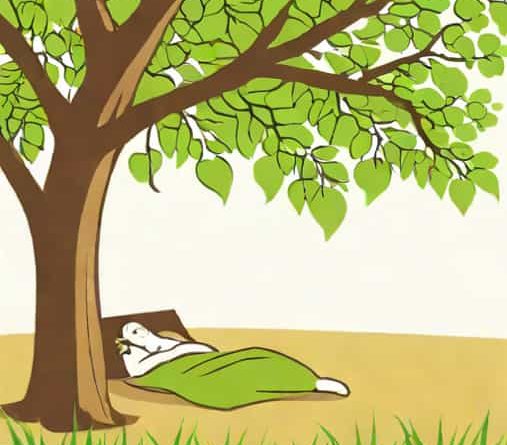
Sleeping Under A Tree Is Not Advisable
Sleeping outdoors can feel peaceful and refreshing, especially when the weather is warm and the shade of a tree seems inviting. Many people associate resting under a tree with relaxation, nature, and escape from daily stress. However, despite how appealing it may look, sleeping under a tree is not advisable in many situations. There are hidden risks related to safety, health, and the environment that are often overlooked. Understanding these risks helps explain why this common habit is generally discouraged.
Natural Shade Can Create a False Sense of Safety
Trees provide shade and cooler temperatures, which makes them attractive places to rest. This comfort can create a false sense of safety. While sitting briefly under a tree is usually harmless, sleeping for long periods exposes the body to environmental dangers that are not immediately obvious.
When a person is asleep, awareness of surroundings is reduced. This makes it harder to react quickly to threats such as falling objects, animals, or sudden weather changes.
Risk of Falling Branches
One of the most serious reasons sleeping under a tree is not advisable is the risk of falling branches. Even healthy-looking trees can shed branches unexpectedly. Wind, internal decay, insects, or simple gravity can cause branches to break without warning.
Falling branches can lead to serious injuries, including head trauma, fractures, or worse. The risk increases during windy conditions, storms, or after long periods of dryness when branches become brittle.
Why Falling Branches Are Unpredictable
- Internal rot may not be visible from outside
- Sudden wind gusts can snap weak branches
- Animals moving in the tree can dislodge limbs
- Temperature changes can stress tree structure
Exposure to Insects and Animals
Trees are natural habitats for insects, birds, and small animals. Sleeping under a tree increases the chances of close contact with these creatures. Ants, mosquitoes, spiders, and ticks are commonly found near tree trunks and roots.
Insect bites can cause itching, allergic reactions, or transmit diseases. In some regions, snakes or other animals may rest near tree bases, increasing the risk of accidental encounters.
Health Risks from Insect Bites
Insects such as mosquitoes are more active during certain times of the day and night. Sleeping outdoors under a tree makes it easier for them to bite exposed skin. This can lead to infections or illnesses depending on the region.
Ticks are especially dangerous because they can attach unnoticed and transmit diseases. Sleeping under a tree for long periods increases the risk of such exposure.
Danger During Storms and Lightning
Sleeping under a tree during unstable weather is extremely dangerous. Trees are natural conductors of electricity and are often struck by lightning during storms.
Even if lightning does not strike the tree directly, electrical current can travel through the ground and affect anyone nearby. This is one of the strongest reasons why sleeping under a tree is not advisable, especially in open areas.
Weather-Related Hazards
- Lightning strikes
- Falling branches during storms
- Sudden heavy rain causing flooding
- Strong winds knocking objects loose
Exposure to Cold, Heat, and Moisture
Although trees provide shade during the day, they do not offer consistent protection from temperature changes. At night, temperatures can drop significantly, leading to cold exposure.
Moisture from dew can collect under trees, making the ground damp. Sleeping on damp ground can cause discomfort, muscle stiffness, and increase the risk of respiratory issues.
Allergies and Airborne Ptopics
Trees release pollen, spores, and other airborne ptopics that can trigger allergies. Sleeping directly under a tree increases exposure to these substances.
People with asthma or respiratory sensitivities may experience difficulty breathing, coughing, or sneezing. Prolonged exposure while sleeping can worsen symptoms.
Lack of Proper Rest and Safety
Quality sleep requires a sense of safety and comfort. Sleeping under a tree often involves uneven ground, noise from insects or animals, and constant exposure to the environment.
These factors can prevent deep, restful sleep. Poor sleep affects physical health, concentration, and mood, making the experience less beneficial than expected.
Environmental and Legal Concerns
In some places, sleeping under trees in public areas may violate local regulations. Parks and nature reserves often restrict overnight stays to protect both visitors and the environment.
Additionally, repeated human activity under trees can damage roots and soil, harming the tree itself. This environmental impact is another reason why the practice is discouraged.
Cultural Beliefs and Traditional Warnings
In many cultures, elders advise against sleeping under trees, especially at night. While some of these beliefs are rooted in tradition, they often reflect real observations of danger.
Stories of falling branches, insect infestations, or sudden illness likely contributed to these long-standing warnings.
When Is It Less Risky?
There are situations where resting briefly under a tree during daylight hours is relatively safe, especially in controlled environments like parks. However, even then, caution is necessary.
Using proper gear, such as mats or insect protection, and choosing well-maintained areas reduces risk. Still, sleeping for long periods remains discouraged.
Safer Alternatives for Outdoor Rest
For those who enjoy outdoor relaxation or camping, safer alternatives exist. Tents, hammocks designed for camping, or designated shelters offer better protection.
These options reduce exposure to insects, falling debris, and weather changes while still allowing connection with nature.
Why Awareness Matters
Many people underestimate the risks associated with sleeping under a tree because the dangers are not always visible. Awareness helps prevent accidents and health issues.
Understanding why sleeping under a tree is not advisable encourages safer choices, especially for children, travelers, and outdoor enthusiasts.
Common Misconceptions
A common misconception is that large trees are always safe because they appear strong. In reality, older or larger trees may have hidden weaknesses.
Another misunderstanding is that danger only exists during storms. While storms increase risk, many hazards are present even in calm weather.
While the idea of sleeping under a tree may seem peaceful and natural, it carries significant risks that should not be ignored. Falling branches, insects, animals, weather hazards, and health concerns all contribute to why sleeping under a tree is not advisable. By understanding these dangers and choosing safer alternatives, individuals can enjoy nature without putting their well-being at risk. Awareness and precaution are key to staying safe while appreciating the outdoors.