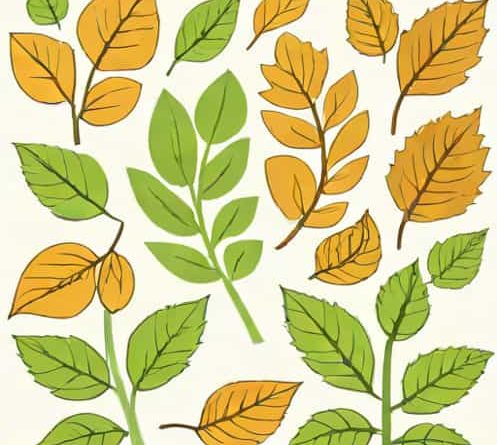
Function Of Petiole And Lamina
Leaves are one of the most important parts of a plant, serving as the primary site for photosynthesis, gas exchange, and other vital physiological processes. Each leaf consists of several structural components, with the petiole and lamina being two of the most essential. Understanding the function of the petiole and lamina is crucial for botanists, horticulturists, and plant enthusiasts, as these parts play a key role in the growth, survival, and productivity of plants. By studying these components, we gain insight into how plants adapt to their environment, manage resources, and carry out life-sustaining functions.
What is the Petiole?
The petiole is the stalk that connects the leaf blade, or lamina, to the stem of the plant. Its primary role is structural, providing support to the lamina while allowing flexibility. The length and thickness of the petiole can vary depending on the species, environmental conditions, and the position of the leaf on the plant. In some plants, the petiole is long and slender, helping the leaf reach sunlight, while in others, it may be short or even absent, as seen in sessile leaves.
Functions of the Petiole
The petiole performs several essential functions that contribute to the overall health and efficiency of a plant
- Support and PositioningThe petiole holds the lamina in an optimal position to capture sunlight efficiently for photosynthesis. By adjusting the angle of the leaf, the petiole maximizes light absorption.
- Transport of Nutrients and WaterThe petiole contains vascular tissues, including xylem and phloem, which transport water, minerals, and nutrients between the stem and the leaf blade.
- Flexibility and MovementSome petioles allow leaves to sway in the wind, reducing the risk of damage from strong gusts and helping with temperature regulation by improving air circulation around the leaf.
- Photosynthesis SupportBy holding the lamina away from the stem, the petiole reduces shading from other leaves, ensuring maximum light exposure for efficient photosynthesis.
- ProtectionIn certain plants, petioles can act as a defensive structure, containing compounds that deter herbivores or even transforming into spines for protection.
What is the Lamina?
The lamina, commonly referred to as the leaf blade, is the flat, broad part of the leaf responsible for capturing light and carrying out photosynthesis. Its large surface area and thin structure are specifically adapted to maximize exposure to sunlight while facilitating gas exchange. The lamina contains multiple layers of specialized cells, including mesophyll cells where chlorophyll is concentrated, allowing the plant to convert light energy into chemical energy efficiently.
Functions of the Lamina
The lamina is central to several critical processes in plants
- PhotosynthesisThe lamina is the main site for photosynthesis, the process by which plants convert sunlight, carbon dioxide, and water into glucose and oxygen.
- Gas ExchangeStomata, tiny pores on the surface of the lamina, allow for the exchange of gases. Carbon dioxide enters the leaf, oxygen exits, and water vapor is released through transpiration.
- TranspirationThe lamina helps regulate water balance in the plant. Through transpiration, water evaporates from the leaf surface, aiding in nutrient transport and cooling the plant.
- Storage of NutrientsIn some species, the lamina can store essential nutrients, water, or secondary metabolites, which help the plant survive adverse conditions.
- ProtectionCertain laminae have specialized adaptations such as waxy coatings, hairs, or spines that protect against herbivores, excessive sunlight, or water loss.
Interrelationship Between Petiole and Lamina
The petiole and lamina work together harmoniously to ensure optimal leaf function. The petiole supports and positions the lamina for maximum sunlight capture, while the lamina performs photosynthesis and gas exchange, producing the energy required for plant growth. This relationship highlights the importance of both structures for the survival and efficiency of the plant. If the petiole is damaged, the lamina may not receive adequate light, affecting photosynthesis. Conversely, if the lamina is compromised, the energy production of the plant diminishes, impacting overall health.
Adaptations of Petiole and Lamina
Plants exhibit various adaptations in both the petiole and lamina to survive in different environments
- In aquatic plants, petioles are often long and flexible, allowing the lamina to float on water surfaces for better sunlight exposure.
- In desert plants, laminae may be reduced to spines to minimize water loss, while the petiole may become succulent to store water.
- Some climbing plants have modified petioles that function as tendrils, helping the plant attach and climb surfaces.
- Leaves in shaded environments often have larger laminae and longer petioles to reach sunlight effectively.
The petiole and lamina are indispensable components of a leaf, each with specialized roles that support plant survival and growth. The petiole acts as a structural support, facilitates nutrient and water transport, and positions the leaf for optimal light absorption. The lamina, with its broad and flat surface, carries out photosynthesis, regulates gas exchange, and participates in transpiration. Together, they exemplify the intricate design and efficiency of plant structures, demonstrating how different parts of a plant work in unison to sustain life. Understanding the function of the petiole and lamina not only deepens our appreciation of plant biology but also provides practical insights for agriculture, horticulture, and environmental conservation, emphasizing the importance of each component in maintaining a healthy ecosystem.
By examining how the petiole and lamina function and adapt, we can better understand plant behavior, improve crop management, and contribute to scientific research in botany. Both components highlight the remarkable complexity of leaves and the essential role they play in ensuring that plants thrive in diverse environments.